You step onto the boat with that half-brave, half-wobbly feeling, while crew tighten your harness, check the lines, and run through hand signals in under two minutes. It’s usually $60–$120 for 8–12 minutes up, plus tip, and the midmorning slots fill fast when families crowd the dock. Bring sunglasses with a strap and a light layer, skip big bags and flip-flops. If timing’s tight, a Viator tour with verified reviews, free cancellation, and reserve now pay later can lock it in… right before the winch starts to hum.
Key Takeaways
- Preflight jitters are normal; crew checks wind, explains hand signals, and tightens a snug life jacket and harness.
- Launch is quick: grip the rail, take two small steps, feel a firm harness tug as the winch tightens and lifts.
- Once airborne it gets surprisingly calm; engine becomes a low buzz, wind turns to a steady hiss, and legs hang loose.
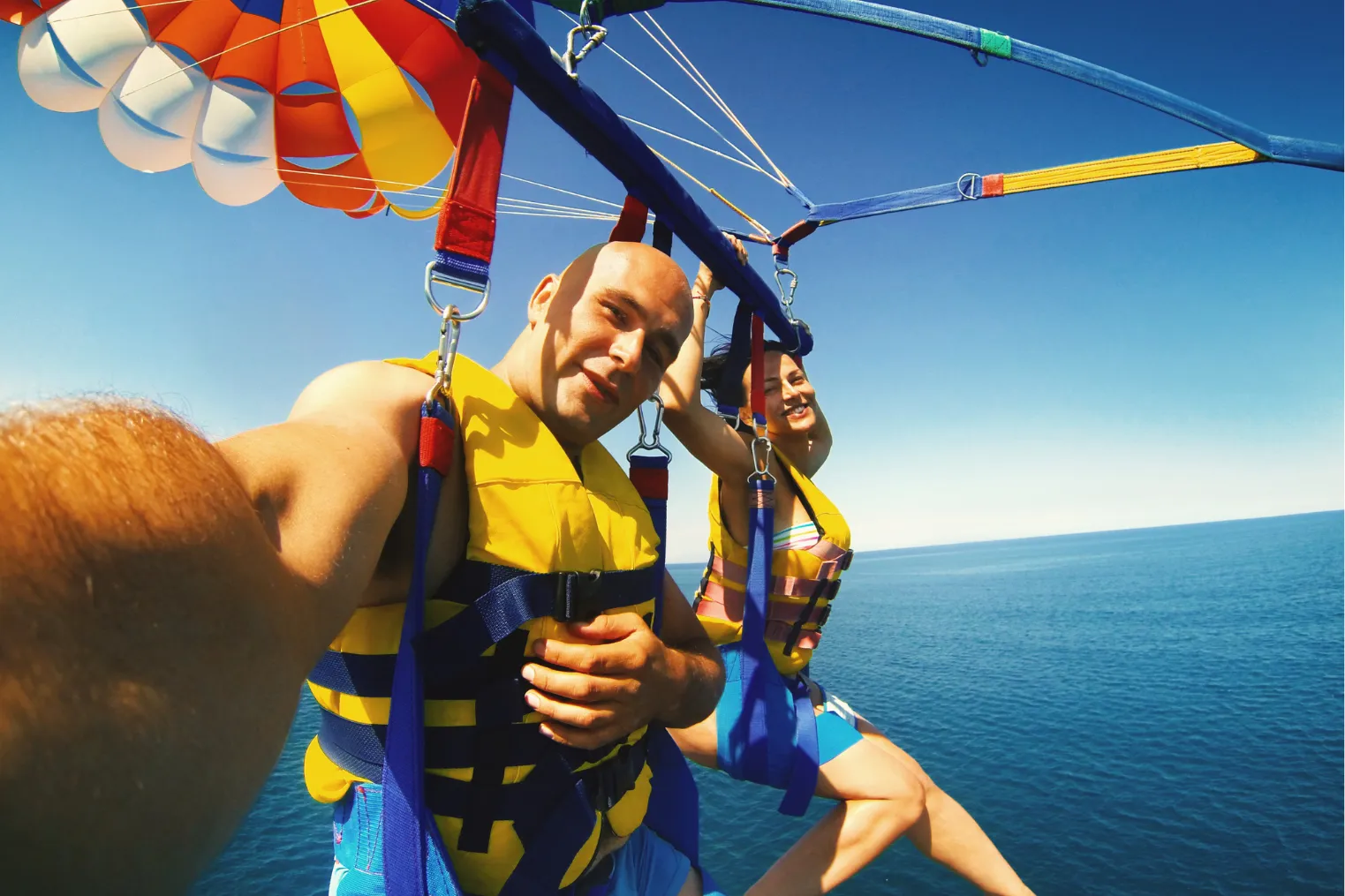
- The harness feels like a tight seatbelt at the hips; mild pinching may fade after a minute as you shift weight and relax.
- Landing feels like a slow elevator down; follow hand signals, lift feet near the deck, and touch down with two quick steps.
What Parasailing Feels Like on the Boat (Nerves + Safety Checks)
While the boat eases out of the marina and the shoreline starts to shrink, your nerves usually show up right on cue. Salt air and engine hum mix with pre flight jitters as you watch other riders swap in. The crew runs a quick safety briefing, points to hand signals, and checks wind. You pay around $80–$130 in most beach towns, cash or card, plus a photo upsell.
On deck, you’ll follow a simple checklist routine: life jacket snug, straps stowed, pockets empty. That tidy deck choreography matters when it’s crowded, so arrive 20–30 minutes early and skip bulky backpacks. In Waikiki, adding a hotel pickup can be worth it if you want a smoother, less stressful start to your parasailing session. Bring sunglasses with a strap and a light spray jacket. If you’re booking last-minute, Viator can lock a time slot with free cancellation.
Parasailing Takeoff: The Harness Tug and Quick Lift
Grip the rail, take two small steps to the launch spot, and feel the harness give a firm tug as the crew clips you in. The harness sensation is like a snug backpack strap pulling upward, not painful, just insistent. You hear the winch whir, the rope tightens, and the deck slides away under your toes. Keep knees soft, hands on the straps, and don’t sit until they tell you. Before you ever reach the launch spot, the dock check-in process is where they confirm your reservation and walk you through the safety basics.
It happens fast: a sudden ascent, a quick swing clear of the stern, and your stomach does a small flip. If you’re booking, aim for early runs, about 10 to 15 minutes start to lift, and $70 to $120. Bring sunscreen and secure sunglasses. Skip loose hats. Crowds are lighter before noon.
Parasailing in the Air: Quiet, Views, and Body Feel
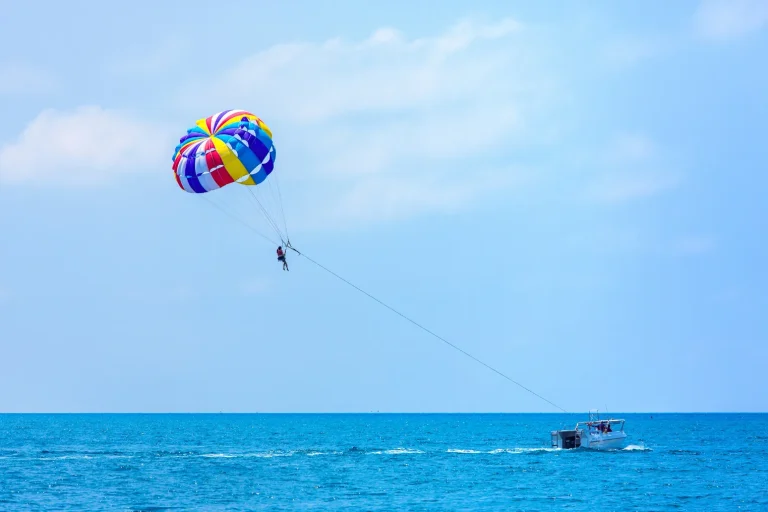
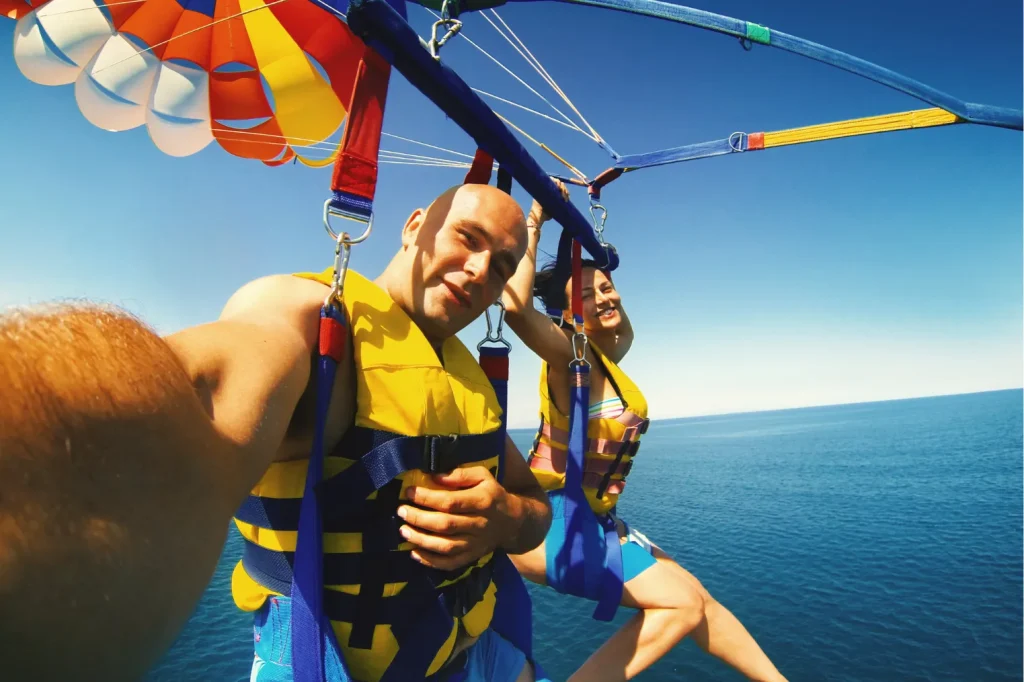
Usually the first thing you notice once you’re airborne is how quiet it gets, with the boat’s engine dropping to a low buzz and the wind turning into a steady hiss around the canopy. Your stomach settles, and you sway in small arcs. In Waikiki, most flights rise to about 500 feet depending on conditions and the operator.
| Sense | Notes |
|---|---|
| Sound | gentle silence, soft hiss |
| Sight | panoramic calm, sea to skyline |
| Body | harness snug, legs loose |
| Practical | 8 to 12 minutes, $70 to $120, bring sunscreen |
You feel a mild pull at your hips, but it’s not painful, more like a firm seatbelt. Crowds look tiny, and you can finally film. Skip flip flops and bulky bags. Tether your phone. For fixed time slots, Viator tours with verified reviews, hotel pickup, free cancellation, and reserve now pay later help.
Parasailing Landing: Reeling In and Touching Down
The boat circles back under you and the calm starts to feel busy again as the crew reels the line in. You watch the wake line up, then feel rope tension tighten and release in small pulses. The canopy stays steady, and your gentle descent feels like an elevator with ocean air. Keep your legs relaxed, knees slightly bent, and listen for the hand signals.
Near the deck, they wave you in and tell you when to lift your feet. You touch down, take two quick steps, and they unclip you. From first pull-in to landing is about two minutes, longer if other pairs queue. In Waikiki, many operators include pickup to drop-off service, so your total time commitment is longer than just the flight. Bring strapped sunglasses, skip floppy hats. Expect $60 to $120, photos extra. Keep your phone in a dry pouch.
Parasailing Surprises: Harness Pressure, Height Tricks, Sea Spray
Once you’re up there, a few little surprises can sneak up on you: the harness can pinch at your hips for the first 30 seconds, the height can look double when you glance straight down, and a sudden curtain of sea spray might tag your shoes if the captain dips you near the wake. Breathe, flex your legs, and shift your weight to ease harness chafing, it usually fades by minute two.
The altitude illusion hits hardest over water, so fix your eyes on the horizon and you’ll feel steadier. Pack sunglasses with a strap and a rain shell, leave flip flops behind. Before you take off, do a quick safety checklist with your crew to confirm the harness fit and that you understand the hand signals. Most rides run 8 to 10 minutes after a 20 minute briefing, about $60 to $90. Go early to dodge crowds.
Frequently Asked Questions
What Are the Minimum Age, Weight, and Height Requirements for Parasailing?
You’ll usually need to be 6–12+ depending on operator; meet minimum weight around 90–100 lb combined; and stay under maximum height set by harness fit. Check local age limits and height requirements before booking always.
Can I Parasail if I’M Pregnant or Have a Medical Condition?
You shouldn’t parasail while pregnant, and you shouldn’t fly with unmanaged conditions. You’ll want pregnancy precautions, your doctor’s medical clearances, and the operator’s approval; if there’s any doubt, you’ll sit this one out for safety.
What Should I Wear, and Should I Bring Sunglasses or a Hat?
Wear lightweight layers over a swimsuit, and choose secure footwear like water shoes. Bring polarized sunglasses on a retainer; skip a loose hat unless it straps tight, since wind’ll snatch it fast for the ride.
Are Photos or Videos Included, and Can I Use My Own Camera?
Often, photos/videos aren’t included, you’ll buy them from the onboard photographer, and you can use your own camera if it’s secured. Like Icarus with a GoPro, clip into a selfie harness and keep hands free up.
What’s the Cancellation Policy if Weather Changes or the Tour Is Delayed?
If weather shifts or your tour’s delayed, you can reschedule free or cancel for a refund within the refund window. Outside it, you’ll receive credit. We follow safety protocol, so unsafe conditions mean no launch.
Conclusion
You step off the deck feeling lighter, like you’ve borrowed a seabird’s wings for 10 minutes. Expect $75 to $120 per flight, plus tips, and shorter lines if you book the first boat out. Bring sunglasses, a hat strap, and a phone lanyard, skip bulky cameras and dangling jewelry. If timing’s tight, Viator tours can lock a slot with verified reviews, hotel pickup, free cancellation, and reserve now pay later. Pack a light windbreaker too.