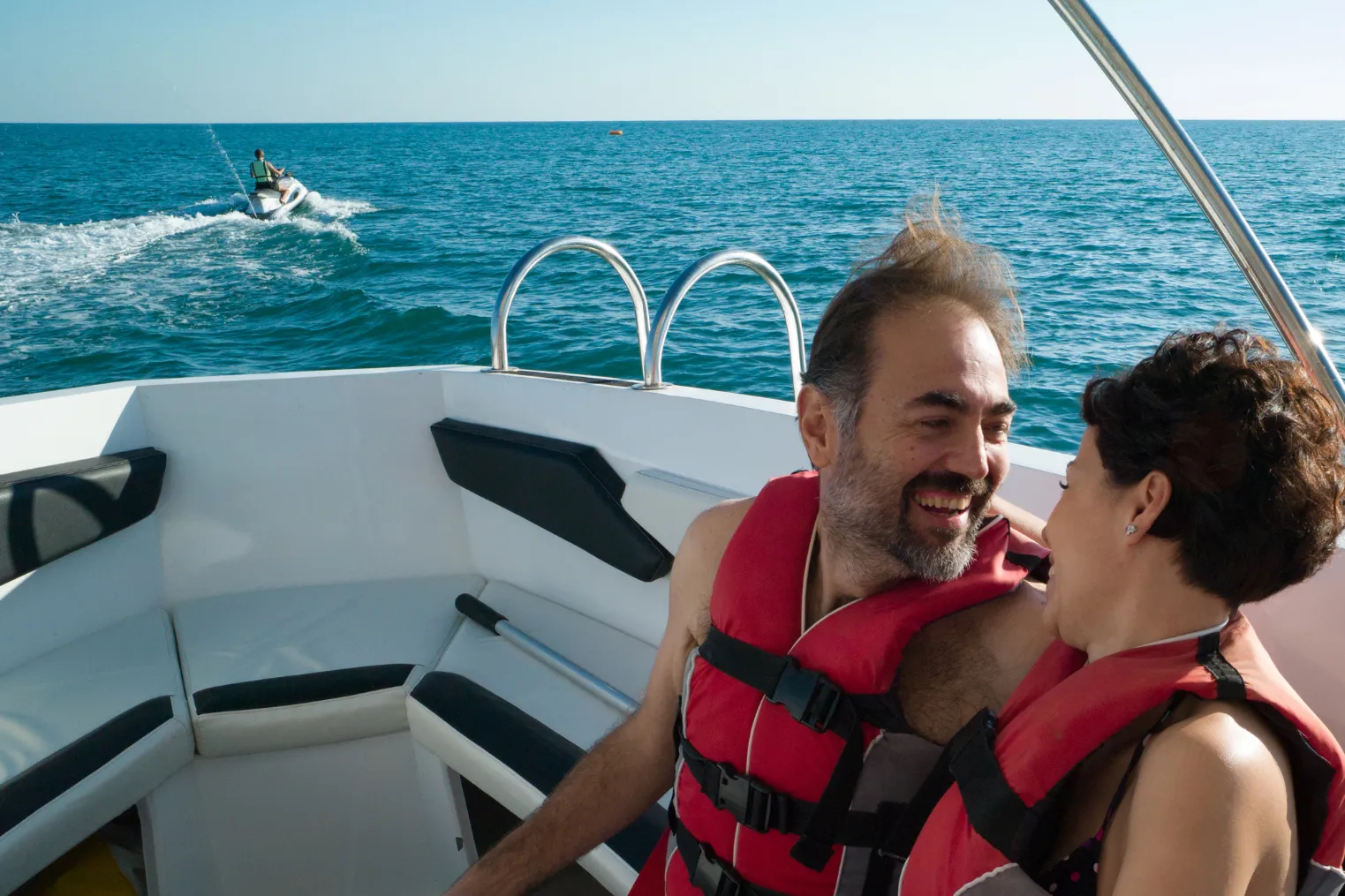
You’re about to swap Waikiki’s warm sand for a harness and a towline, so you’ll want a quick safety gut check before you pay $90 to $170. Book with a Coast Guard–inspected, insured operator, and aim for a midweek morning slot when winds are calmer and boats feel less packed. Screenshot the forecast, show up 20 minutes early, and bring reef-safe sunscreen and a water pouch, skip loose hats. If a Viator tour helps, use verified reviews and free cancellation. Now, what do you ask at the dock before you clip in?
Key Takeaways
- Book a Coast Guard–inspected, insured, licensed operator at Kewalo Basin; avoid beach hawkers and ultra-cheap deals.
- Check wind, gusts, swell period/direction, and Small Craft Advisories the night before and at the dock; screenshot forecasts.
- Arrive 20 minutes early; confirm weight/age limits, realistic launch times, and what’s included (harness, life jacket, photos).
- Inspect harness buckles, locked carabiners, towline wear, and life jacket buoyancy; ensure the winch holds steady tension before ascent.
- Learn hand signals and landing cues; keep loose items stowed, follow crew instructions, and cancel if safety brief or checks are rushed.
Choose a Safe Waikiki Parasailing Company
If you want the kind of Waikiki parasailing flight that feels breezy and well-run instead of chaotic, start by choosing the operator like you’d choose a boat for a long snorkel day. Look for licensed operators with Coast Guard inspected boats, current insurance, and an orderly dock at Kewalo Basin. Always confirm that your operator follows a clear parasailing safety checklist specific to Waikiki conditions and weather patterns.
Read customer reviews for calm safety talks, smooth winch work, and honest calls when winds rise. Aim for a midweek morning for steadier air and fewer spectators. Prices usually run $90 to $150, photos extra.
Pack reef safe sunscreen, a light jacket, and a dry bag for your phone. Skip beach hawkers and ultra cheap add-ons. If you’re juggling timing, Viator can help too with verified reviews, free cancellation, and reserve now pay later.
Questions to Ask Before You Book Parasailing
Before you hand over a deposit, ask a few pointed questions that reveal how an operator runs the ride when the trade winds kick up and the dock gets busy. What’s the max rider weight, and do they enforce age limits for kids and teens? Ask how many flights run per hour, and what your real launch time is on crowded afternoons. Confirm what’s included in the price, harness, life jacket, and photos. Confirm whether they follow a specific parasailing booking checklist so you know what they check before heading out. Get their camera policy in writing so you don’t drop your phone or pay surprise fees.
| Ask | Listen for |
|---|---|
| Crew ratio | Two hands on deck, clear briefings |
| Photo options | Secure mounts, upfront pricing |
Bring water, reef-safe sunscreen, and a light rash guard. Skip loose hats, they’ll fly into the blue lagoon.
Check Waikiki Wind, Waves, and Weather Alerts
Although Waikiki can look postcard calm from the sand, the wind line offshore tells the real story, so check the day’s wind, wave, and marine alerts before you commit to a flight time. Open Waikiki forecasts early, ideally the night before, and again at the dock, because trades can jump fast. Watch for ocean swells wrapping in from the south or north; they can make the boat ride bouncy and shorten sessions. When trades strengthen quickly, gusty wind can change flight height, ride smoothness, and whether operators pause or cancel departures altogether.
- Screenshot wind speed, gusts, and small craft advisories
- Note swell height, period, and direction, not just “2 to 3 ft”
- Pack a rain shell, skip loose hats, bring water and reef safe sunscreen
If conditions look iffy, choose a Viator tour with reviews, free cancellation, and reserve pay later to protect schedule.
Inspect the Harness, Towline, and Life Jacket
Before you clip in, cinch the harness so it sits snug on your hips and check every buckle for a clean click, it takes 30 seconds and can save you a long, salty scramble later. Make sure the boat’s winch system is operating smoothly with steady tension on the towline, since this motorized reel is what safely controls your ascent and descent. Run your hands along the towline and look for frays, stiff spots, or sun-bleached wear, if anything looks off, ask for a swap before the boat leaves the dock. Finish by tightening your life jacket and confirming it floats you high in the warm Waikiki chop, skip extra gadgets that snag, and if you’re booking a Viator tour, pick one with verified reviews, hotel pickup, free cancellation, and reserve now pay later so you’re not rushed at launch time.
Still comparing Waikiki Parasailing?
Ask for tour ideas, hotel suggestions, or a simple trip plan that combines both.
Trip Helper
Harness Fit And Buckles
Start with the gear that actually keeps you attached to the ride: the harness, its buckles, the towline connection, and your life jacket. In busy Waikiki morning launches, you’ll gear up fast, so pause for a 20 second fit check before you step to the platform. Ask the crew to show you the quick release mechanisms, then test them with your hands. You want snug, not pinching, and proper tightening should keep straps flat against your hips and thighs. When you’re planning to take pictures in the air, make sure your phone or camera is secured with safety tethers or floaties so nothing comes loose or distracts you while you’re clipped in.
- Buckle clicks and lies centered, no twist.
- Straps tighten evenly, you can still breathe and sit.
- You can reach releases, even with wet fingers.
Bring a thin rash guard, skip bulky pockets, and budget $10 for photos later. If it feels off, reset it now.
Towline Condition And Life Jacket
When the boat’s idling and the next group is already lining up at the stern, take 30 seconds to scan the towline and your life jacket like it’s your boarding pass. In Hawaii, the same attention you’d give to reading a parasailing waiver should go into visually inspecting your gear so you understand and accept the risks you’re signing for.
Run your fingers along the rope and look for towline abrasion, frayed strands, flat spots, or salt that can chew through under load. Check the clip and swivel for cracks and make sure the line’s not kinked from yesterday’s rush.
Next, squeeze the jacket panels and confirm jacket buoyancy by feeling firm foam with no waterlogged sag.
Tighten the waist strap so it won’t ride up when you splash down.
If you’re booking a Viator tour, pick one with verified reviews, hotel pickup, free cancellation, and reserve now pay later for smoother timing.
Boat + In-Air Rules (Signals, Takeoff, Landing)
Before you lift off, you’ve got to speak the same language as the crew, so confirm the hand signals and loud, simple calls for “go,” “stop,” and “help” before the boat even idles out. Knowing what to expect from parasailing in Waikiki, from the gentle lift-off to the stable ride in the air, can make the whole experience feel more exciting than scary.
On takeoff, wait for the captain’s cue, keep your legs tucked, and don’t grab lines unless told, then on landing you’ll follow the count, bring your feet forward, and let the team guide you in for a smooth, sandy touchdown.
If you book a Viator parasailing tour for an easy time slot and fewer dockside hassles, pick one with verified reviews, hotel pickup, free cancellation, and reserve now pay later, and skip loose hats and flappy scarves unless you want to watch them fly solo.
Hand Signals And Calls
Dial in your hand signals and call-outs early, and the whole parasailing run feels smoother from dock to touchdown. Before you even clip in, ask the crew to demo wing signals and the exact verbal calls they use over wind and engine noise. In Waikiki’s busy morning departures, clear cues save you from guessing while boats weave past Diamond Head. For extra peace of mind, include a quick review of the boat’s safety rules and inspections along with hand signals, so you know exactly how the crew handles any in-air or on-water issues.
- Thumbs up means “I’m good,” palm down means “ease it,” and crossed arms means “stop” or “problem.”
- Point to your harness, life jacket, or towline to show what needs checking, then wait for a nod back.
- Keep your phone stowed, sunglasses strapped, and use short verbal calls like “OK,” “slow,” or “help.”
Book ahead online to dodge sellouts around 10 a.m.
Takeoff And Landing Protocol
Although the ride looks effortless once the canopy fills with wind, takeoff and landing run on tight, boat-led choreography, and your job is to stay predictable. Before you even board, crew at the Waikiki parasailing dock will walk you through a quick check-in guide so you know exactly where to wait, what you’ll pay, and how you’ll move on and off the boat. Before you clip in, confirm your pre flight checklist: harness snug, carabiners locked, life jacket flat, shoes off if crew asks. In Waikiki, arrive 20 minutes early and expect $90 to $140, cashless. At the “thumbs up,” keep knees bent and step to the stern. Don’t sit until the towline lifts you. In the air, keep hands on the straps, watch the crew’s flag, and skip sudden twists. For landing, follow the “feet down” signal and let them reel you into a controlled descent. Keep legs together, touch down, then stay still while they unclip you right away.
Waikiki Parasailing Red Flags: When to Cancel or Leave
When the trade winds kick up and the boat ride off Waikiki starts feeling more like a bouncy bus than a cruise, you’ve got your first clue that it might be a no go. Don’t talk yourself into it because you prepaid 120 dollars. If you notice violent gusts snapping the towline, or obscured visibility hiding Diamond Head, ask to head back. Operators may also call it off entirely when parasailing weather cancellations in Waikiki are triggered by unsafe wind or rain conditions.
- Crew skips a clear safety brief or rushes harness checks in the crowd.
- Whitecaps build fast, rain squalls smear the horizon, and you can’t spot other boats.
- You feel seasick, dehydrated, or your gear feels wrong, speak up before takeoff.
Bring a light jacket, water, and reef safe sunscreen; skip loose hats, and rebook for a calmer morning with no extra fees.
Frequently Asked Questions
What Is the Minimum Age and Weight Required to Parasail in Waikiki?
You can parasail in Waikiki if you’re at least 5 years old and weigh 50 pounds or more. Check each operator’s age limits and weight requirements, since wind, flights, and consent rules can change them.
Can Pregnant Travelers Parasail, or Is It Prohibited?
You shouldn’t parasail while pregnant; most operators prohibit it due to pregnancy contraindications and liability. If an operator considers exceptions, you’ll need written medical clearance, and you should still avoid it if you’ve risk factors.
How Should I Prevent or Manage Seasickness During the Parasailing Boat Ride?
To keep seasickness from stealing your “fun,” you’ll hydrate early, Hydration tips: sip water, skip alcohol, eat light. Try Ginger remedies like chews or tea, face the horizon, sit midship, and breathe slow before you board.
Are Photos or Video Included, and Can I Bring My Own Camera?
You’ll usually pay extra for onboard photos or video, so ask upfront when booking. You can bring your own camera if it’s secured; avoid selfie sticks. Drone footage isn’t allowed without permits and operator approval.
What Should I Wear, and Do I Need Water Shoes or a Swimsuit?
Like a gull skimming spray, you’ll wear a swimsuit and quick-dry Light clothing. You don’t need water shoes, but Water friendly footwear helps on the boat. Bring a hat strap, sunglasses retainer, and towel too.
Conclusion
You’re at the dock, salt on the breeze, and the winch starts to hum. Before you clip in, you’ve checked the Coast Guard papers, the wind gusts, and the harness stitching. Midweek mornings are calmer, and crowds thin out by 9 a.m. Expect $120 to $180, cash for tips. Bring sunscreen, a bag, and water, skip loose hats. If the briefing feels rushed, walk away, even with a Viator tour with verified reviews, free cancellation.