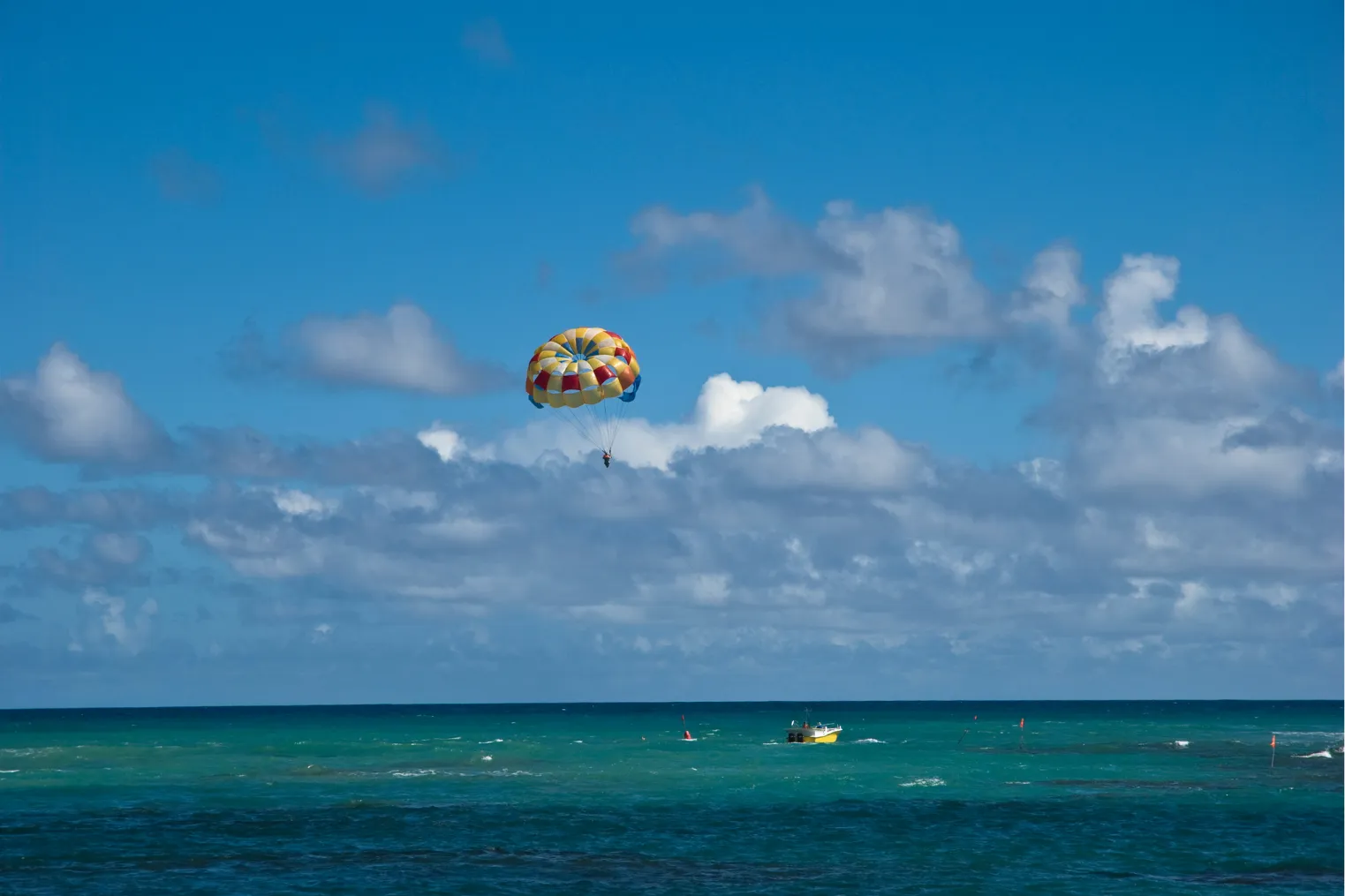
You can book parasailing in Waikiki in 10 minutes, but you shouldn’t click “reserve” until you’ve checked the operator’s permits, insurance, and recent safety record with DLNR or USCG notes. Ask what happens if winds pick up, and get the refund or reschedule terms in writing, ideally by the night before. Expect $90 to $160 for 8 to 12 minutes, plus photos and dock fees. Bring sunscreen and a dry bag, skip the big breakfast, and then decide boat launch or beach setup.
Key Takeaways
- Check the operator’s safety record: DLNR/USCG notices, recent incidents, and reviews mentioning rushed briefings, frayed lines, or unsafe gear.
- Verify licenses, Hawaii permits, and liability insurance; confirm the company name matches the boat signage and your receipt.
- Evaluate the crew’s briefing and procedures: clear emergency explanations, radio tests, hand signals, and no rushing during busy time slots.
- Inspect boat and equipment condition: towline, winch, canopy, harness stitching/clips, and ask about the last documented safety inspection.
- Confirm pricing and policies: exact flight minutes, included gear, extra fees (photos, fuel/harbor), weight/age limits, and weather cancellation refunds.
Check Waikiki Parasailing Safety Records First
Before you click “book,” spend five minutes checking a Waikiki parasailing operator’s safety record, because the ocean looks calm right up until it doesn’t.
Spend five minutes vetting a Waikiki parasailing operator’s safety record before booking, the ocean looks calm right up until it doesn’t.
Check recent incidents in DLNR reports, scan USCG notices, and note how often crews cancel for wind. Under US Coast Guard rules, reputable captains will also emphasize weather limits and document safety procedures before heading out. If reviews mention frayed lines or rushed briefings, move on.
Aim to do this the night before, not on the pier with a line behind you.
Ask what parasailing regulations they follow, and have them explain emergency procedures in plain English, including radio contact and cutaway steps.
Choose a Reputable Parasailing Company in Waikiki
Before you hand over your card, ask to see current state licenses and proof of insurance, and don’t be shy about it, you’re paying roughly $100 to $200 for 60 to 90 minutes on the water.
Next, scan their safety standards: a clear briefing, calm crew, and a tidy dock setup beat a flashy sales pitch, especially when Waikiki mornings book out fast. Ask when their boat and gear last passed a documented safety inspection and what their pre-flight checklist covers before every launch.
Finally, compare the boat and gear for clean harnesses, newer lines, and a solid winch system.
Verify Licenses And Insurance
While Waikiki’s calm morning water can make parasailing look effortless, you’ll feel a lot better once you’ve confirmed your operator is properly licensed and insured. Ask to see Hawaii permits and who issued them, then check the company name matches the boat’s signage and your receipt. Don’t be shy about pilot certifications either; reputable crews will point to training records and renewal dates without eye rolls.
Before you pay, use a simple safety checklist to confirm the operator follows standard Waikiki parasailing safety practices.
Next, request proof of liability coverage and note the policy limit. Many operators carry documents onboard, but you can also email ahead so you’re not burning beach time. Expect prices around $120 to $180, plus photos. Book early for the 9 to 11 a.m. slots before crowds swell.
Bring a jacket and cash for tips, skip valuables today.
Assess Safety Standards
Once you’ve confirmed the paperwork, take a hard look at how the crew actually runs the ride, because good safety shows up in the small habits.
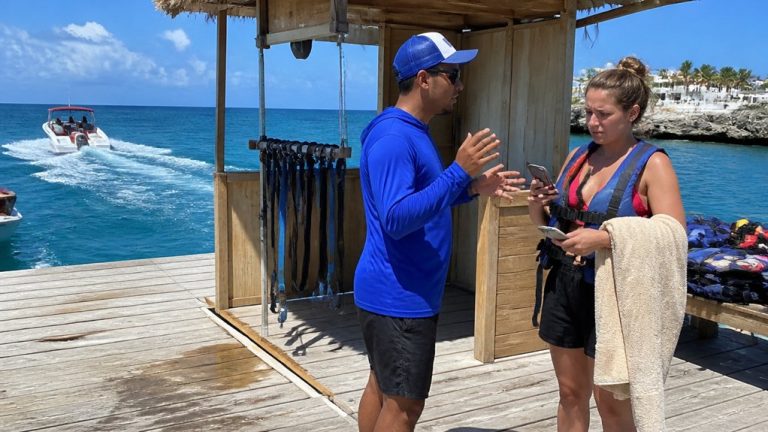
Watch for a calm preflight briefing, clear hand signals, and a quick equipment inspection that’s done in front of you, not hidden on deck. You should see life jackets sized, straps checked, and radios tested before anyone steps to the stern.
Ask how they handle wind shifts and what cancels a trip, then listen for plain, practiced emergency procedures. A solid operator won’t rush even when the 10 a.m. slot is busy. If you’re wondering whether it’s intimidating, knowing what makes parasailing feel safe in Waikiki can help you relax before takeoff.
Still comparing Waikiki Parasailing?
Ask for tour ideas, hotel suggestions, or a simple trip plan that combines both.
Trip Helper
Compare Boat And Gear
If you want a ride that feels smooth instead of sketchy, compare the boat and the gear as closely as you compare the price. Ask to see the towline, winch, and canopy before you board, and do an equipment comparison on the spot.
A clean deck and a stable launch platform matter when trade winds kick up. Check harness types: a padded seat harness fits most riders, while a chest harness can pinch taller teens. The essential parasailing gear includes a harness, towline, and winch system for controlled launches and retrievals. Look for tight stitching, stainless clips, and a backup line. If the gear looks sun-bleached, walk away.
Compare Waikiki Parasailing Prices and Flight Time
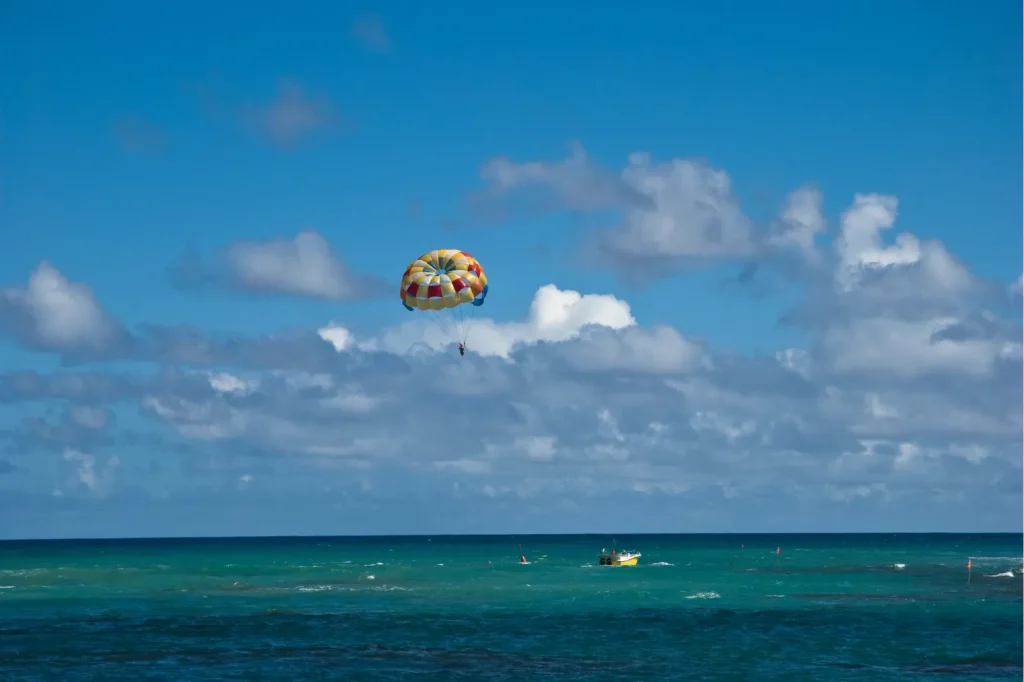
Start by lining up Waikiki parasailing prices, which often run about $80 to $200 per person, then match that cost to real flight time options like 6, 8, or 10 minutes in the air, plus the boat ride and wait time in the sun. The lowest advertised rates can look great until you factor in hidden fees and paid add-ons that raise the final total.
Next, check what’s included, such as harness, life jacket, and photos, and what’ll cost extra, like a higher towline, a second observer seat, or a souvenir video you might skip if you’ve already got a waterproof phone case.
Typical Price Ranges
While you’ll see plenty of “from $X” ads along Kalākaua Avenue, Waikiki parasailing prices usually land in the $90 to $150 range per person for a standard 8 to 10 minute flight, with longer 12 to 15 minute rides often running $120 to $180 depending on the boat, time slot, and whether you’re flying solo or tandem.
Add $10 to $25 for photos and expect a small fuel or harbor fee. Some operators bundle basics like life jackets and harnesses while charging extra for digital photo packages. Rates rise with Seasonal demand, especially summer weekends, so reserve early. Don’t chase the cheapest deal; ask about Equipment maintenance and recent inspections.
Flight Time Options
Because those glossy Waikiki brochures don’t say it out loud, flight time is the lever that moves your total price the most. Most operators price by minutes in the air, so a 6 to 8 minute tow costs less than a 10 to 12, and “long” 15 minute rides sit at the top tier. If you’re chasing Beginner Comfort, pick the shorter slot and you’ll still get the lift, the breeze, and a clean photo moment. Waikiki operators may also pair these time tiers with parasailing height options like 600 ft, 800 ft, or 1,000 ft.
- Short flights: best for first timers and tight budgets.
- Standard flights: the sweet spot when boats run busiest at midday.
- Sunset Flights: pricier, and you’ll want to book earlier to beat crowds.
Inclusions And Add-Ons
Flight time sets your base price, but the real comparison happens in the fine print: what the operator includes and what they’ll charge you for at the dock. Most Waikiki runs include harness, life jacket, boat ride, and a quick safety brief. Ask about taxes and fuel fees, plus photo packages and camera discounts if you’re booking as a pair. Some operators also offer photo and video add-ons or an optional dip at the end of your flight. Here’s a quick scan:
| Included | Often extra |
|---|---|
| Towels, water | Photos, tip |
| Shuttle, storage | Souvenir magnets |
Confirm Waikiki Parasailing Weight and Age Limits
Before you click “book” for a Waikiki parasail ride, take two minutes to confirm the operator’s age and weight rules, since they can make or break your spot on the boat. Even in salt-sprayed Waikiki, weight limits and age restrictions vary by crew, harness size, and wind plan, and they’re enforced at check-in. Operators also enforce minimum and maximum weight limits to match conditions and safety requirements.
- Ask the minimum age and whether a parent must ride or sign on the dock.
- Confirm per-person and combined weight caps, and if sandals or loose bags are banned.
- Bring a photo ID, and skip breakfast; you’ll queue 15 to 30 minutes in peak afternoons.
Decide on Boat vs Beach Parasailing in Waikiki
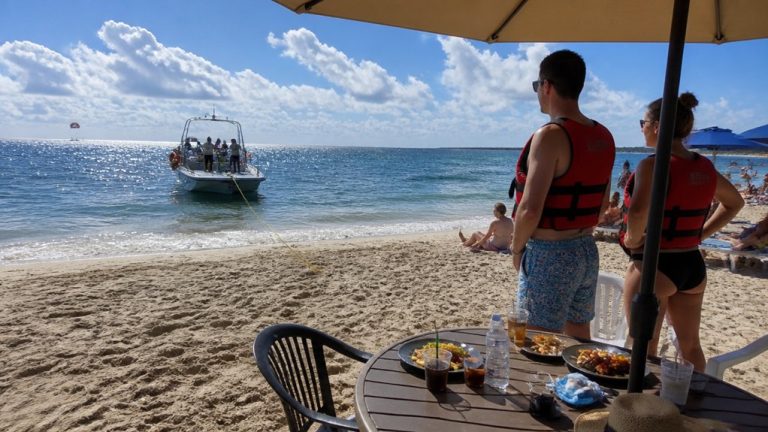
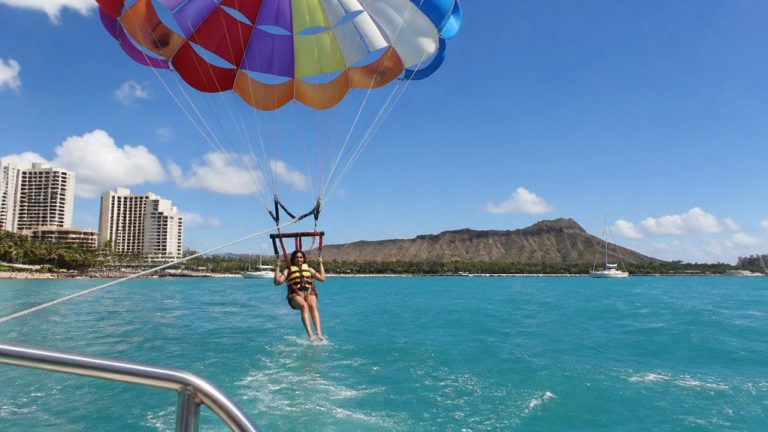
Once you’ve cleared the age and weight rules, the next call is where you’ll actually take off: from a boat offshore or from the sand at Waikiki Beach. Boat rides leave Kewalo Basin, 10 to 15 minutes out, then you’ll clip in and fly. You’ll feel steadier above Ocean currents, and you get wide Shoreline views of Diamond Head. Most Waikiki trips also include a quick rundown of hand signals and landing steps before you’re in the harness. Beach launch setups start with a Shore briefing on the sand, then a short tow just beyond the breakers. It’s quicker and often cheaper, but crowds and wet feet come with it.
| Option | Best for | Bring |
|---|---|---|
| Boat | calmer takeoff, longer ride | light jacket, reef-safe sunscreen |
| Beach launch | fast start, photos | water shoes, towel |
| Either | 60 to 90 minutes total, $90–$160 | ID, cash tips; skip bags |
Plan for Waikiki Parasailing Weather and Refunds
Although Waikiki looks postcard calm most mornings, trade winds, passing showers, and big south swells can shut parasailing down fast, so plan your booking around the forecast and the operator’s refund rules. Check wind and swell evening before and at sunrise, since flights run 8 a.m. to noon. Ask what triggers a shutdown: gusts, lightning, or choppy seas. Some crews also pause trips during wind-driven delays when conditions shift quickly offshore. Read cancellation policies for your own changes, not just weather, and note cutoffs, often 24 hours, or you’ll owe full fare, $90 to $140. For weather refunds, confirm cash back versus reschedule credit, plus credit expiry.
Waikiki parasailing can cancel fast, check wind/swell twice, know shutdown triggers, and understand refund versus credit rules.
Pick a Waikiki Parasailing Photo/Video Package
Clear skies and a green light from the captain mean you can stop watching the wind and start thinking about what you’ll take home besides salty hair: photos and video. Choose a package before you board, because the crew shoots quickly and the deck gets crowded. Digital photo sets cost $30 to $50, and photo plus video bundles run $70 to $100. Photo packages can beat DIY because you’ll stay hands-free in the harness and often get more consistent high-resolution shots than a phone. If you’re flying late, ask for sunset silhouettes instead of noon glare.
Want drone shots? Confirm they’re part of the plan and allowed for that operator. Bring a microfiber cloth for salt spray, skip bulky cameras, and keep your phone zipped in a dry pouch.
Avoid Surprise Waikiki Parasailing Fees at Check-In
Show up early and read the fine print before you hand over your card, because Waikiki parasailing check-ins can tack on small fees fast. Arrive 30 minutes early to beat the marina rush and avoid late arrival penalties that can cancel your slot with no refund. Ask for a printed price sheet and confirm what’s included in your base rate. Look for legit discounts and avoid scams by booking through reputable Waikiki parasailing operators.
Arrive 30 minutes early, read the fine print, and ask for a printed price sheet before you hand over your card.
- Fuel, harbor, or credit card surcharges that become extra fees at the window
- Photo, dry bag, or equipment upgrades you don’t need if you bring a phone lanyard and sunscreen
- Clear tipping expectations for the boat crew, so you’re not guessing at the dock
Frequently Asked Questions
What Should I Wear for Parasailing in Waikiki?
Wear lightweight clothing over your swimsuit, and bring a rash guard if you burn easily. Choose waterproof footwear like water shoes. You’ll get splashed, so skip heavy fabrics, jewelry, and anything you can’t lose today.
Can I Bring My Phone or Gopro on the Parasail Flight?
Yes, you can, but operators enforce phone restrictions, about 60% report dropped devices in windy flights. You’ll need a secure float case and wrist tether, or choose onboard equipment rentals for hands-free footage every time.
How Early Should I Arrive Before My Waikiki Parasailing Time?
Arrive 30–45 minutes early so you’ve got time for check in procedures, waivers, and parking. You’ll also need an equipment briefing and harness fitting. Showing up early keeps your launch on schedule and stress-free.
Is Parasailing in Waikiki Safe for People Who Can’T Swim?
Yes, it’s generally safe even if you can’t swim, because you’re flying, not training for the Olympics. You’ll wear life jackets, stay harnessed, and the crew’s primed for water rescue if you land wet at all.
Where Can I Park Near the Waikiki Parasailing Check-In Location?
You can park at nearby metered parking along Ala Moana Blvd or side streets by Kewalo Basin. If spots fill fast, you can use hotel valets in Waikiki and rideshare over. Arrive early.
Conclusion
Book parasailing in Waikiki like you’re rigging a sail before a blue-water run. You check licenses, insurance, and recent incident notices, then compare flight time, photo add-ons, and dock fees so your bill doesn’t spike. Confirm weight and age limits, and whether you’ll launch from a boat or beach. Pack sunscreen, a light jacket, and cash for tips, skip bulky bags. Choose free-cancel windows when trades rise. Viator can lock timing with verified reviews too.