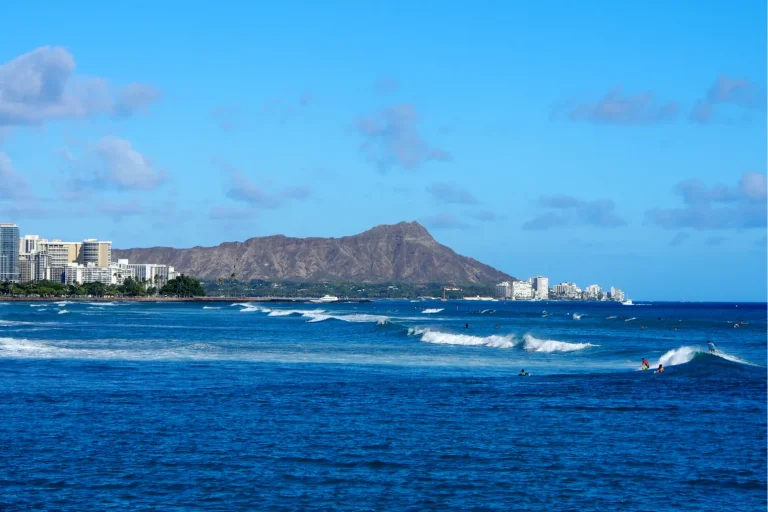
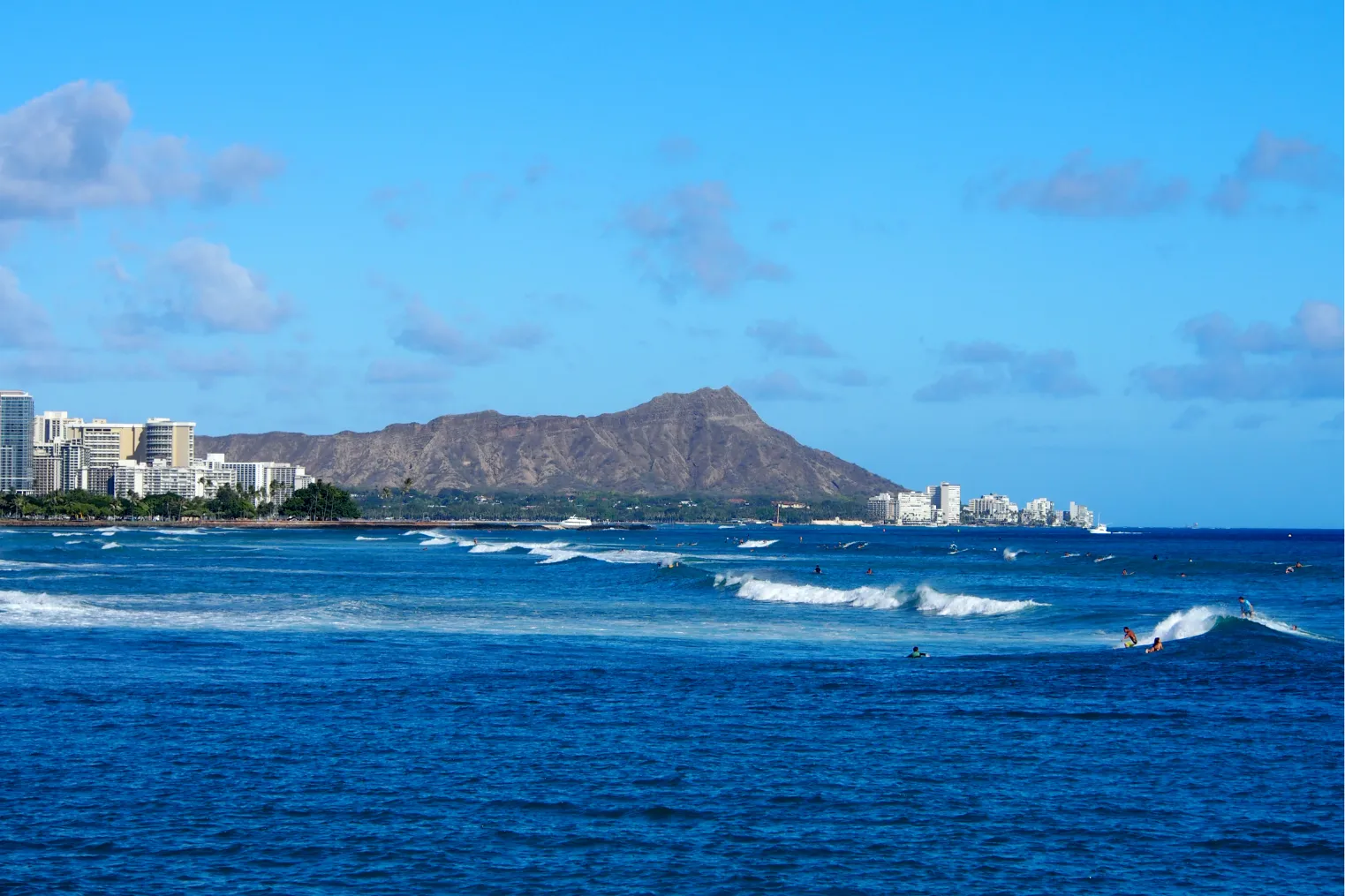
You’ll feel Waikiki parasailing weather fast: trade winds can spike near Diamond Head, rain bands can blur the horizon, and that short, slappy chop can turn a smooth tow into a hard no. Operators usually call it a “hold” first, then wait 20 to 90 minutes for a cell to pass. Pack a light rain jacket, dry bag, and cash for the harbor snack bar, skip heavy cameras. If you book a Viator tour, verified reviews and free cancellation help, but timing still matters, especially before noon…
Key Takeaways
- Waikiki parasailing cancels most often from gusty trade winds, choppy open-ocean exposure, and wind funneling around Diamond Head.
- Watch for early whitecaps outside the reef or across the channel; they signal unsafe wind and rough tow conditions.
- Short-period chop, catamaran wakes, and 4–6 ft offshore swell can spike towline tension and trigger delays or cancellations.
- Rain bands reduce visibility and can cause 20–40 minute holds; lightning or squalls typically mean immediate cancellation.
- Operators often decide close to check-in, offer rebooking/refunds, and favor morning flights before winds strengthen and gusts increase.
Why Waikiki Parasailing Trips Get Canceled
Because Waikiki sits right on an open stretch of ocean, parasailing trips get canceled whenever conditions stop feeling “postcard calm” and start looking choppy or gusty. You’ll notice it first in the wind: shifting airflow patterns around Diamond Head can funnel bursts across the tow line. By morning, heated land can kick up thermal gusts that rattle the canopy and make takeoffs rough. If the breeze builds into sustained speeds, operators may pause departures because wind affects your ride by increasing canopy sway and tow-line tension.
Operators also pull the plug when rain bands cut visibility or when swell and traffic turn the ride into a bounce. Show up early, around 8 a.m., before crowds and winds build. Budget $120 to $180. Bring reef-safe sunscreen and a light spray jacket, skip backpacks. Booking a Viator tour with verified reviews can help you snag hotel pickup and cancellation.
Weather Hold vs. Canceled: What It Means
When the captain puts you on a weather hold, you’re still in the lineup, so keep your phone handy and expect an update within 30 to 90 minutes while you linger near the beach with water, sunscreen, and a light layer, not a full day bag.
If conditions tip past the safety line, you’re officially canceled, which usually means you can rebook for the next calmer slot, switch to a morning departure, or take a refund depending on the operator’s cutoff time and the crowds that day.
In windy Waikiki, tour cancellations often happen when gusts create unsafe takeoff or landing conditions, even if the skies look clear from the beach.
If you want smoother logistics, a Viator tour with verified reviews can help you lock in tickets with hotel pickup and free cancellation, plus reserve now pay later, so you don’t keep reshuffling plans at the last minute.
Hold Status And Timing
Although the ocean can look postcard-calm from Waikiki Beach, your parasail operator may still put you on a “weather hold,” and that’s not the same thing as a full cancellation.
On hold, you’re in a queue while the captain watches gusts, rain bands, and harbor chop. Expect hold timing to shift in 15 to 30 minute updates, and plan for a 1 to 2 hour delay window even on bright mornings. Stay near the dock, not in a deep brunch line, and keep your phone loud for texts.
If it’s your first time, choose the easiest first flight option so you can stay relaxed even if the schedule shifts. Bring water, reef safe sunscreen, and a light rain shell. Skip dangling jewelry, salt spray stings. On Viator, check verified reviews and pickup messages so you don’t miss the call while you wait by pier.
Cancellation Criteria And Options
A “weather hold” just means you’re still in play, while a cancellation means the boat’s not leaving the harbor, period.
On hold, you’ll wait for a green light, often 15 to 60 minutes, while the captain checks gusts, squalls, and visibility against safety protocols.
You might hear “stand by” if rain is light but winds are twitchy, or if lightning sits offshore.
If you’re unsure, ask whether the crew has completed their required safety inspections before deciding to run or cancel.
If it flips to canceled, ask your desk agent what you can do next.
Most operators offer a same week rebook, or a refund, with no extra fee if conditions fail their limits.
That’s where booking flexibility helps, especially with Viator tours offering verified reviews, hotel pickup, free cancellation, and reserve now pay later.
Bring water and a light jacket.
Skip bags.
Waikiki Parasailing Wind Limits (Too Light vs. Too Strong)
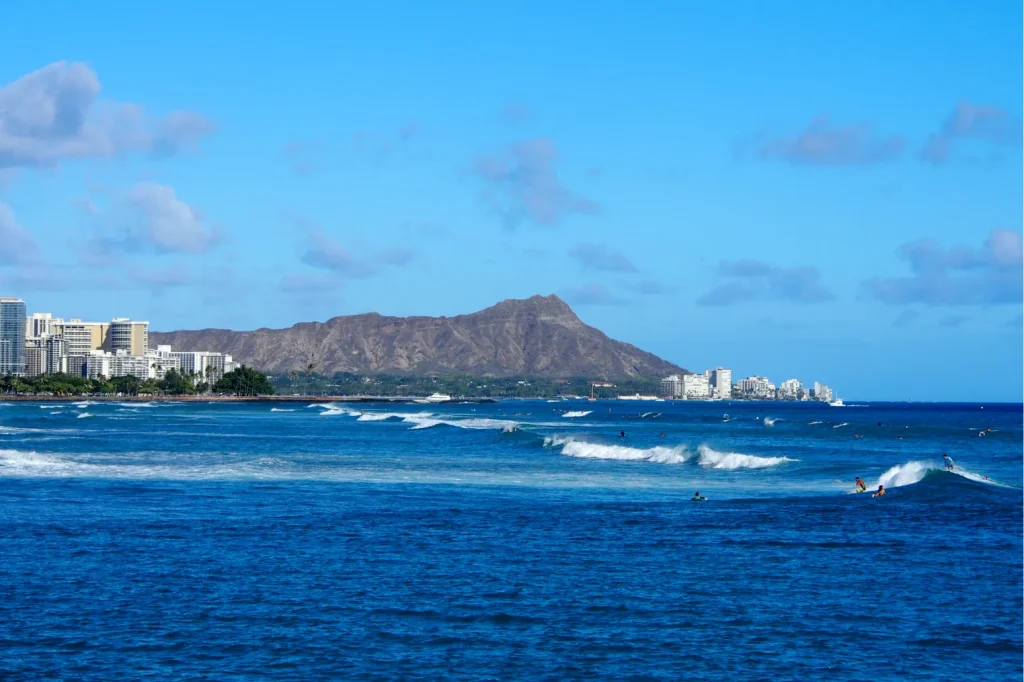
Because Waikiki’s trade winds can flip from glassy to gusty in the same morning, your parasailing ride depends on a pretty specific “Goldilocks” wind range, not just a sunny forecast. If it’s too light, the boat can’t build speed, even with thermal lift. If it’s too strong, gusts and wind shear can swing the canopy and complicate landings, so crews pause. Before you even launch, crews also consider weight limits alongside wind conditions to keep flights stable and within safe operating ranges.
- Limp flags, slow boats, waiting on the pier.
- Steady trades, smooth tow, quick harness checks.
- Sharp gusts, humming line, radio chatter.
- Choppy surface, salty spray, a call to reschedule.
Choose earlier departures for calmer air and smaller crowds. Prices run $120 to $180. Bring sunglasses and a light layer. Skip bulky bags and hats. Viator listings with free cancellation can ease timing changes.
How Rain, Squalls, and Lightning Stop Waikiki Parasailing
When a warm squall line slides over Waikiki, your parasailing plan can go from postcard blue to “back on the dock” in minutes.
Rain alone isn’t the deal breaker, but it cuts visibility and soaks lines, so crews may pause until the shower passes. Expect a 20 to 40 minute delay. You’ll feel the shift: sudden cool gusts, darker water, and the boat turning toward shore.
Operators follow strict safety protocols. They’ll check squall forecasting, watch radar, and time launches between cells, not during them. If thunder pops or lightning shows, they’ll cancel fast, no debate, because you’re the highest thing out there.
For the smoothest conditions, aim for the best time of day to parasail when winds are typically lighter and the ocean surface is calmer.
Pack light rain gear, skip bulky ponchos that flap, and keep phones sealed. Ask about lightning preparedness, reschedule options, and refunds.
Ocean Swell and Boat Chop That Cancel Waikiki Parasailing
You’ll see Waikiki parasailing get called off when the ocean swell climbs past the operator’s safety threshold, because the boat starts pitching and the towline tension gets jumpy.
Even with blue skies, short-period chop and passing wake from tour boats can turn the ride into a bouncy, wet commute, so bring a light windbreaker and skip dangling your phone unless it’s in a dry pouch.
Before you go, run through a quick parasailing safety checklist so you know what conditions and procedures operators use to decide when to cancel.
If you’re booking through Viator, use the verified reviews to pick calmer morning time slots, and lean on hotel pickup plus free cancellation and reserve now pay later so you’re not stuck paying for a no-go day.
Swell Height Thresholds
Swell is the quiet dealbreaker in Waikiki parasailing, even on a bluebird morning that looks perfect from the sand. Operators set conservative swell height thresholds because launch and recovery happen close to shore, where beach morphology and reefs can steepen waves. Check the time and date on coastal waters forecasts since linked data may not represent the latest forecast.
With swell monitoring, they’ll often pause trips once sets push past about 4 to 6 feet offshore, or earlier if the interval feels punchy. Expect a same day call by 7 to 9 a.m., before you’ve paid for parking.
- Whitecaps outside the reef, glassy inside
- Long, rolling sets that surge up the channel
- Wet decks, slower loading, fewer flights per hour
- More reschedules, so pack sunscreen, a light jacket, skip bulky bags
Book free cancellation on Viator if you’re tight on time today.
Chop And Wake Impacts
A calm-looking horizon can still hide the kind of messy surface that makes parasailing in Waikiki a no-go. Short-period chop and catamaran wakes slap the hull, and you’ll feel it as boat vibration on the tow line. That jitter speeds line wear when the captain surges to clear traffic.
If the chop keeps stacking, crews may cancel, even when swell height looks tame. Your rider weight matters: heavier flyers need steadier pull for clean flight trim, and sharp peaks can yank you sideways. Bring a light jacket, water, and a dry bag. Skip loose hats. Book early morning before wake traffic builds and expect bumpy water. For simple timing, choose Viator tours with verified reviews, hotel pickup, free cancellation, and reserve now pay later. Many operators launching from Kewalo Basin will still hold or cancel trips when short-period chop makes the tow unstable even if skies are clear.
The Waikiki Seasons With the Worst Parasailing Wind
While Waikiki looks postcard calm most days, the seasons that most often knock parasailing off the schedule are winter and the shoulder months when trades get moody and gusts swing fast.
From November to March, winter storms can funnel wind past Diamond Head and turn the boat ride into a bouncy commute.
April and October can feel tricky too, when seasonal tradewinds reset and switch directions by the hour.
For the best odds of getting in the air, aim for the best season in Waikiki.
- Whitecaps glitter outside the reef by 9 a.m.
- Kitesurfers pack the water, a windy tell.
- Tours sell out early on calm mornings, then pause by noon.
- You’ll want a light rain jacket, sunglasses, and reef safe sunscreen.
Book a Viator tour with free cancellation and reviews. Skip tight schedules, bring $10 to $20 for tips.
What Waikiki Parasailing Captains Check Before Launching
Before you clip in, you’ll watch the captain scan wind speed and gusts because a breezy trade-wind morning can flip to a choppy, ticket-losing no-go by noon.
You’ll also see them track rain bands and visibility, and read the nearshore surf, swell, and currents that can make the boat ride wet and crowded, so bring a light jacket, reef-safe sunscreen, and a dry bag, and skip the floppy hat.
For Waikiki operators, wind limits and sea state are key go/no-go checks, and captains will delay or cancel when conditions cross safety thresholds.
If you need tight timing, a Viator tour with verified reviews, hotel pickup, free cancellation, and reserve now pay later can save you hassle when weather forces last-minute reshuffles.
Wind Speed And Gusts
When Waikiki’s trade winds start flexing, parasailing captains don’t guess, they check wind speed and gusts like a pilot scans instruments. You’ll hear them talk in steady numbers, because a high gust factor can snap the ride from smooth to twitchy in seconds. They also watch for wind shear near the waterline, where buildings and headlands can punch holes in the breeze. Many Waikiki operators rely on local Honolulu weather patterns to time calmer morning flights before trade winds strengthen.
- Anemometer readings at the dock, then again offshore
- Whitecaps marching across the channel, not just a few sprinkles of foam
- How fast gusts rise and fall over 10 minutes
- Your combined weight, because heavier flyers need more pull
Mornings are calmer, and afternoon slots fill fast. If it’s borderline, expect a delay, not a debate. Wear a light windbreaker, skip floppy hats.
Rain Bands And Visibility
Trade winds can look manageable on the gauge, then a gray rain band slides off Diamond Head and suddenly the ocean turns hazy. Captains scan the horizon for rain banding, because showers can thicken fast and trigger visibility reduction around the towline and landing deck. If they can’t clearly see other boats, the parasail canopy, and your flight path, you’ll wait or scrub the run.
Expect calls, often within 10 minutes of departure, so don’t wander far from Kewalo Basin. Bring a light shell, dry bag, and sunglasses for glare between squalls. Skip cameras unless they’re waterproof. If you do bring a phone, treat it as waterproof protection only, one splash or downpour can end your day fast. Standby slots can save $20, but you might share with a crowd. Booking a Viator tour with free cancellation and reserve now pay later helps you pivot.
Surf, Swell, And Currents
Although Waikiki can look glassy from the sand, captains still check surf, swell direction, and currents because a choppy channel turns a “quick launch” into a slow, salty ballet on the back deck.
You’ll hear them talk surf forecasting at dawn, watching south swells wrap around Diamond Head and rebound off the reef. If the set interval tightens, they may reschedule, even if it’s sunny. Strong ebb flow near the harbor needs current mapping, since it can drag the towline and make landings sloppy. Before you even leave the dock at Kewalo, confirm your check-in timing so the crew can adjust departures if conditions shift.
- Whitecaps in the channel, even small
- Swell angle that pushes spray onto the stern
- Rip lines and floating foam that show drift
- Crowded boat lanes near the catamarans
Bring sunscreen, a spray jacket, and cash for tips. Skip bulky hats.
How Rescheduling Works After a Waikiki Weather Cancelation
If Waikiki’s wind or swell shuts down your parasail time slot, you won’t be stuck starting over, most operators slide you into the next safe window with minimal fuss.
You’ll usually get a call or text soon, that’s Customer communication at work, with a clear go or no go and a few options.
Ask what’s running today: morning trades often calm by 9 to 11, while afternoon gusts can stack crowds at the dock.
Alternate scheduling might mean shifting to the next day, or swapping to a later check in.
Keep your phone charged, bring water, sunscreen, and a light jacket for spray.
Skip bulky bags.
If you booked via Viator, use the app to message support and line up timing around hotel pickup.
If you’re feeling nervous, remember that Waikiki crews prioritize safety checks and will only fly when conditions are within their operating limits.
Waikiki Parasailing Refunds, Credits, and No-Show Rules
When the captain calls it off, don’t just shrug and walk away, ask right then whether you’re getting a straight refund, a credit for later, or a rebooked slot at the same price. Get the refund policy in writing, and note any booking windows for using credits, some expire in 6 to 12 months.
Because you’re agreeing to a Hawaii parasailing waiver, confirm whether weather cancellations change anything about refunds, reschedules, or responsibility before you leave the dock.
- Bring the card you paid with, plus your confirmation email.
- Ask if taxes, fuel surcharges, and photo packages get refunded too.
- If you booked via Viator, check for free cancellation, reserve now pay later, and verified reviews for backup times.
- Don’t no-show, you’ll usually forfeit everything, even if rain hits later.
Arrive 30 minutes early, keep your phone charged, and skip last-minute add-ons until you’re airborne in Waikiki’s busy harbor.
How to Check Waikiki Parasailing Weather Fast
Start by pulling up a real-time marine forecast before you even lace up your sandals, because Waikiki parasailing runs on wind and swell more than on sunshine. Check hourly wind and gusts, then read swell period; short, steep waves mean a rough tow out. Use wind apps to compare Waikiki shore to the Kewalo Basin channel. The NWS Forecast Office Honolulu posts forecast maps and updates on Weather.gov.
Peek at parasailing webcams for whitecaps and fast showers. Call by 7:30 a.m.; operators usually decide near check-in. Bring a light shell, dry bag, cash for lockers, skip big cameras. Wear sandals and a rash guard, and leave jewelry and passports locked up securely. Booking on Viator helps: verified reviews, hotel pickup options, free cancellation, reserve now pay later, and you can grab an earlier slot before crowds.
Best Backup Activities Near Waikiki If Canceled
Rain clouds can roll in fast, but your Waikiki day doesn’t have to stall out with them. If parasailing gets scrubbed, pivot within 10 minutes and keep your sandals busy today.
- Grab musubi and fruit for beach picnics under the Banyan trees at Kuhio Beach, free, best before 11 a.m. when the lawns fill.
- Duck into Bishop Museum or the Honolulu Museum of Art, 20 to 30 minutes by rideshare, $15 to $25, cool and quiet on wet afternoons.
- Book cultural tours at Iolani Palace or the Waikiki Historical Trail, bring a light jacket, skip flip flops on slick steps.
- Use a Viator circle island tour with verified reviews, hotel pickup, free cancellation, and reserve now pay later for a sheltered Plan B.
If you’re hungry after landing, swing by Kewalo Basin Harbor for easy nearby eats before you reset your plans.
Frequently Asked Questions
What Should I Wear for Parasailing if the Forecast Changes Suddenly?
Wear light clothing and bring a waterproof jacket so you can adapt fast. Choose layering options for wind shifts and pack a top. You’ll stay comfortable if you wear closed toe shoes and secure accessories.
Are There Weight or Age Limits That Affect Rescheduling After Cancellations?
Like a gate that opens only for the right key, yes, weight limits and age restrictions can affect whether you can reschedule. You’ll need to meet the operator’s ranges, or they’ll shift you to another time.
Can I Bring My Phone or Camera, and Is It Safe in Rough Weather?
You can bring a phone or camera, but you’re responsible, use waterproof cases and secure straps. In rough weather, keep devices stowed; spray and drops happen. Don’t fly drones, drone restrictions apply near boats and beaches here.
Will Seasickness Medication Be Provided or Recommended if Conditions Are Choppy?
You usually won’t get seasickness medication provided, but staff will recommend motion sickness options if it’s choppy. Bring over the counter remedies yourself, take them early, and tell the crew if you feel unwell.
Is Transportation to the Harbor Included if My Trip Gets Rescheduled?
If your ride plans take a little detour, you’ll still get transportation to the harbor when you reschedule, either via shuttle vouchers or an alternate pickup we arrange. Confirm your new time and meeting spot.
Conclusion
When Waikiki’s trades start acting like Odysseus’s tricky winds, you don’t fight them. You wait 20 to 90 minutes for a squall to slide past, or you rebook for a calmer morning. Pack a light rain jacket, sunglasses, and a dry bag, skip bulky towels. If you booked through Viator, verified reviews, hotel pickup, free cancellation, and reserve now pay later make switches painless. Then stroll to Kewalo Basin for poke and sunset afterward too.