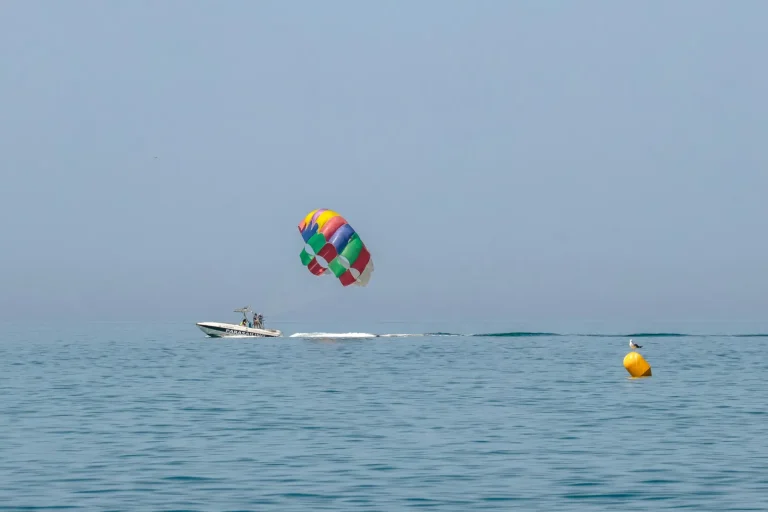
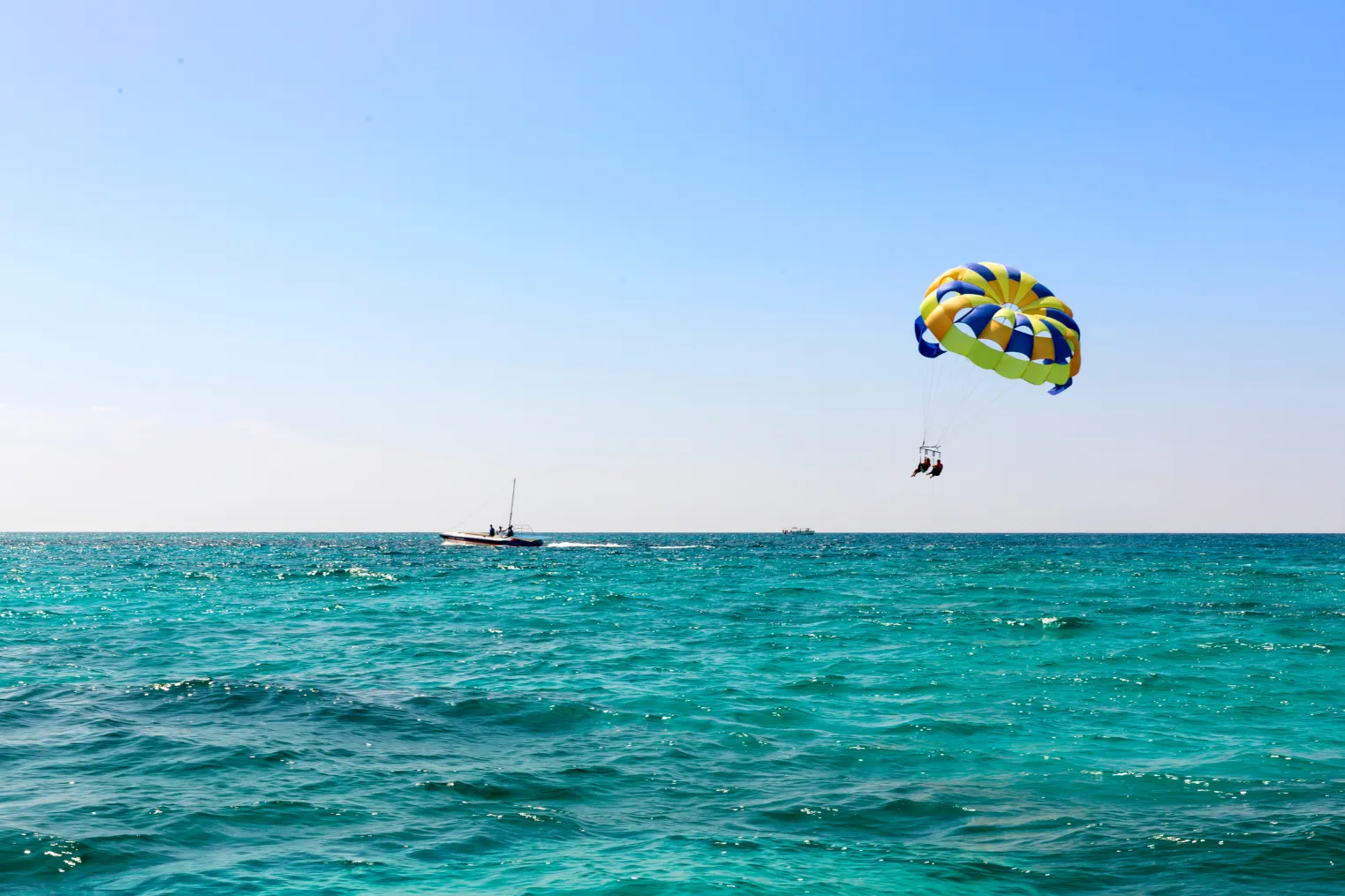
You’ll get your cleanest Diamond Head views when you parasail mid-morning, around 9 to 11, when the sun sits high enough to cut haze but not so high it turns the ocean into glare. Late spring and summer usually bring steadier trade winds, meaning smoother pulls and sharper contrast between green crater ridges and that hard blue water. Ask for a slow pass along the beach and confirm wind and altitude before launch. Still, conditions change fast…
Key Takeaways
- For postcard-clear Diamond Head views, book parasailing around 9–11 a.m. for crisp contrast and minimal glare.
- Early morning has softer light but can look hazier; late afternoon feels dreamy yet often silhouettes Diamond Head and adds ocean glare.
- Summer (June–August) usually delivers the clearest photos with steady trade winds and calmer seas, though boats are busier and pricier.
- Spring (April–May) stays bright with fewer crowds; fall can add humidity and midday haze that softens the ridgeline.
- Ask the crew about wind at altitude and swell; gusts or rough seas can shorten flights, change altitude, or reduce photo quality.
Best Time of Day for Waikiki Parasailing (Diamond Head Views)
Although you’ll spot Diamond Head from most parasail flights, the clearest, most postcard-ready views usually show up in the morning, roughly 9–11 a.m., when the sun sits higher and the air tends to look sharper over Waikiki. Book that window and you’ll get cleaner contrast: green crater ridges, blue water, and fewer harsh shadows on your photos. If you go in the early morning, expect softer light and a little haze, plus choppier nerves if you haven’t had coffee. Late afternoon can look dreamy to your eyes, but the low sun often throws glare off the ocean and turns Diamond Head into a darker silhouette. Many tours use convenient Waikiki parasailing launch points right off the main shoreline, so you’ll start seeing Diamond Head almost as soon as the boat leaves the harbor. Want the best odds? Ask for a flight that lines up with your boat’s slow pass along the beach.
Best Season for Waikiki Parasailing and Clear Diamond Head Photos
Most years, you’ll score your crispest Diamond Head photos in summer, especially June through August, when trade winds steady the air and the ocean tends to look like polished glass from above. From your parasail, you’ll also see Waikiki from above, with Diamond Head’s crater framed by the patchwork of coral reefs just offshore. Book early, because school’s out often means packed boats and pricier rides. If you visit in spring, April and May can feel bright, with fewer crowds and that just-washed look after winter showers. Fall, September into early November, stays warm, but you’ll notice more humidity and the occasional midday haze that softens the crater’s ridgeline. Winter brings clouds and green slopes, yet showers can blur your lens and cut visibility. Whenever you go, aim your camera toward Diamond Head during golden hour for warm color and shadows that show the cone’s texture.
Waikiki Parasailing Conditions: Wind, Swell, and Light Tips
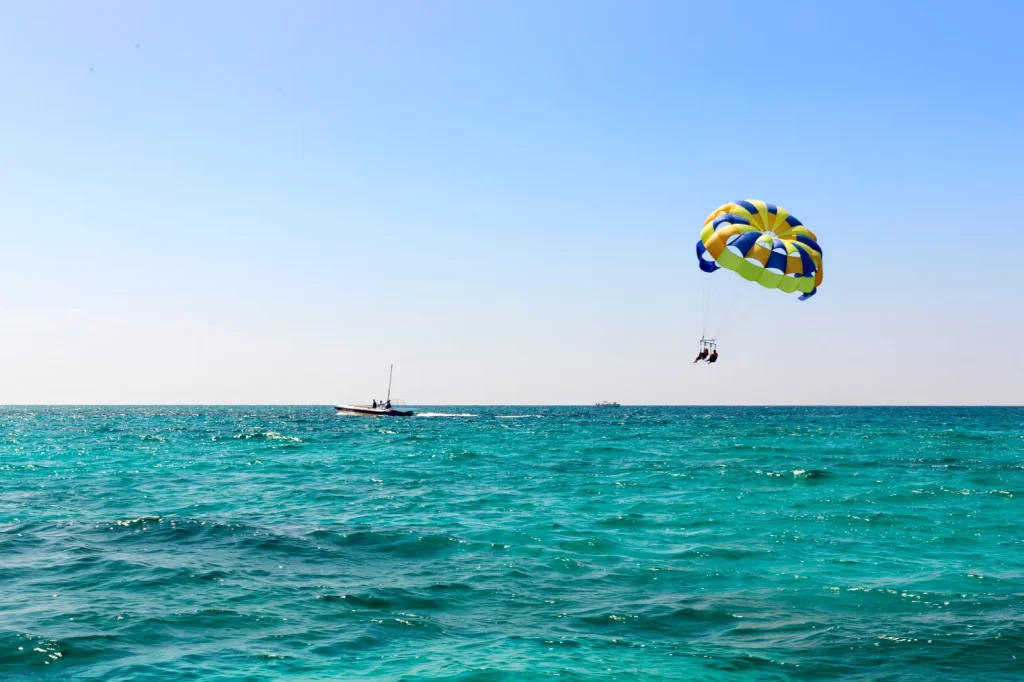
Summer skies help, but your ride still comes down to the day’s wind, swell, and light, the three things that decide whether parasailing feels like floating over glass or bouncing above chop. Ask the crew what the wind’s doing at altitude, and don’t be shy about rescheduling if gusts keep snapping the towline. If the breeze suddenly strengthens while you’re in the air, crews use Waikiki parasailing weather guidelines to decide whether to shorten flights, change altitude, or bring everyone down early for safety. Watch the swell, those long rolling waves that lift the boat. Small swell means a smoother takeoff and landing; big swell can turn the deck into a trampoline. For photos, aim for rides when the sun sits low and Diamond Head pops before glare washes it out. Listen during safety briefings, then scan the water for marine wildlife like turtles or dolphins, and keep your hands free for the view.
Frequently Asked Questions
What Is the Minimum Age to Go Parasailing in Waikiki?
You’ll usually need to be at least 5 years old to parasail in Waikiki, but operators’ minimum age and youth policies vary. You should call ahead, ask about weight limits, and confirm if a guardian must ride.
Are There Weight Limits or Tandem Flight Options Available?
Like a telegram from the future, you’ll find weight restrictions vary by operator; most cap combined riders around 350–450 lbs. You can choose tandem options if winds allow, and staff will weigh you dockside first.
Do I Need to Know How to Swim to Participate?
You don’t need strong swimming ability to parasail; you’ll wear flotation devices and get water safety briefings. Crew follows rescue procedures if you land in water, but you should feel comfortable around waves and spray.
What Should I Wear and Bring on a Waikiki Parasailing Trip?
Like a seabird, you’ll pack light clothing, grip sandals, and reef safe sunscreen. Bring a waterproof pouch, quick dry towel, polarized sunglasses, and a hat strap; take motion sickness meds if, and don’t forget water.
Can I Bring a Phone or Camera, and How to Keep It Safe?
You can bring a phone or camera, but you’ll protect it. Use waterproof pouches and clip them to your harness, or use tethered mounts. Don’t handhold over water; secure everything before takeoff and double-check closures.
Conclusion
Book your Waikiki parasail for mid-morning, around 9 to 11, when the sun sits low enough to sculpt Diamond Head and the sea usually behaves. Late spring and summer bring steadier trade winds, meaning smoother pulls and less haze for those postcard greens and blues. Before you clip in, ask the crew about wind, swell (wave size), and flight height. Want the hero shot? Request a slow beach pass. Skip gusty, glaring afternoons if possible.