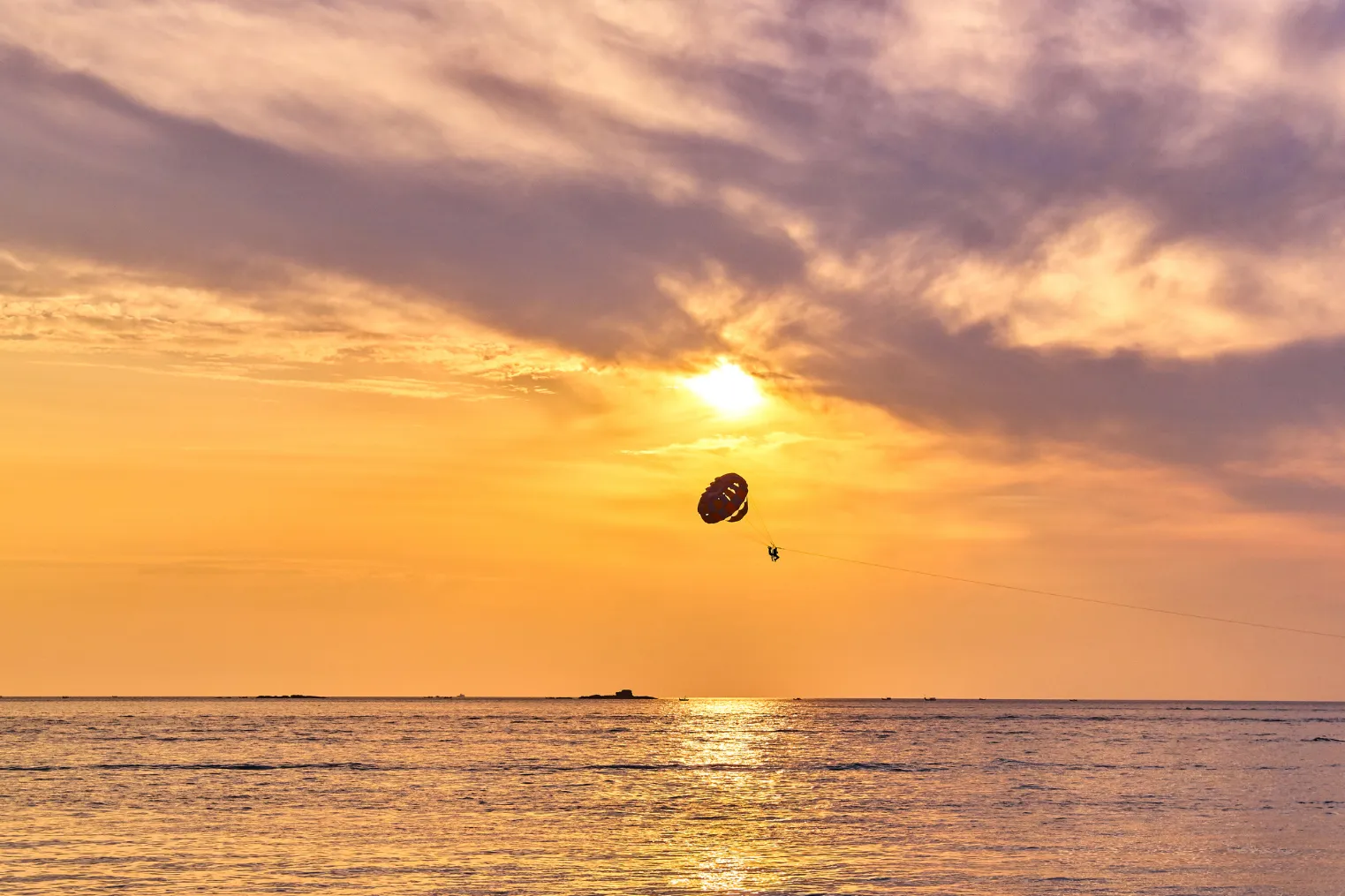
If you’re plus-size and eyeing parasailing in Waikiki, you’ll want answers before you hand over $90 to $150. Call ahead and ask if weight limits are per person or combined, and whether they weigh you at the dock. Book a morning slot when winds behave and the boat feels less crowded. Wear snug shorts, skip heavy shoes and bulky bags, and ask for a harness adjustment before you clip in. One detail can make or break it.
Key Takeaways
- Ask operators for the exact weight limit and whether it’s per person or combined, since wind and boat load can change it.
- Expect to be weighed at check-in and sign waivers; arrive 30 minutes early with ID and avoid bulky bags or heavy shoes.
- Book morning parasails for smoother wind and higher likelihood of flying; gusty afternoons often reduce allowable weights or trigger cancellations.
- Consider tandem for added stability and a steadier ride; solo offers more sensitivity to gusts and may feel less comfortable.
- Confirm cancellation/refund terms and how weather notices arrive (often 7–9 a.m. by text); choose flexible plans or reserve-now-pay-later.
Parasailing Waikiki Weight Limits and How They’re Enforced
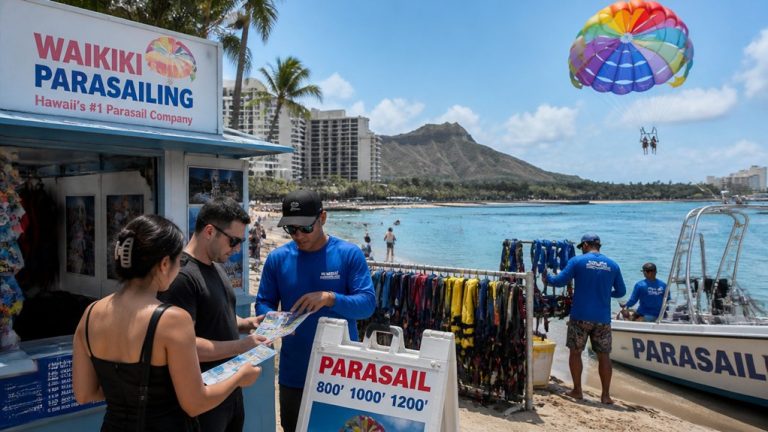
Because parasailing is all about balance and wind, Waikiki operators take weight limits seriously and they’ll check you before you ever step onto the boat. Expect weight enforcement at check-in: you sign waivers, step on a scale, and staff match you to the day’s breeze and boat load. Ask the limit when you book, and confirm whether it’s per person or combined, since gusty afternoons can lower it. Many companies publish their parasailing Waikiki weight rules in advance, but final decisions are always based on real-time wind and sea conditions. Show up 30 minutes early, with ID, water, and reef-safe sunscreen; skip bulky bags and heavy shoes. Most rides run 8 to 12 minutes, plus a 60 to 90 minute cruise, and cost about $90 to $140. Viator helps with timing, verified reviews, free cancellation. These safety protocols keep launches smooth, even in busy holiday crowds.
Choose Solo, Tandem, or Triple for Comfort
Pick your flight setup before you book, since solo, tandem, and triple rides feel very different once the harness tightens and the boat starts its slow pull out of Waikiki.
If you want solo comfort, you’ll enjoy the clean, quiet view and you won’t match anyone else’s sway, but you’ll feel every gust.
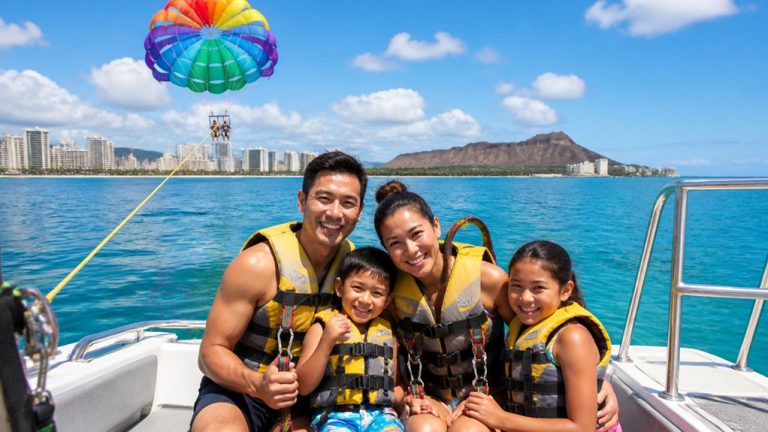
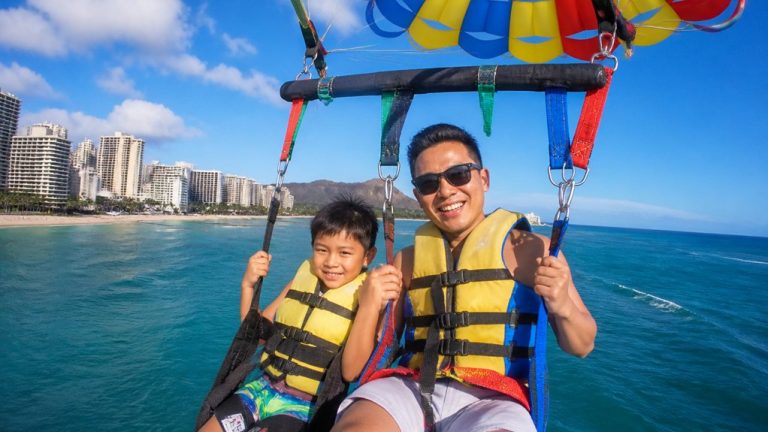
Choose tandem stability if you’d rather share the load with a partner and keep the ride steadier for photos. In Waikiki, many operators highlight tandem parasailing as a great balance of comfort and stability for most travelers.
Triple can work for lighter groups, yet it often depends on wind and total weight, so ask about morning slots when conditions run smoother and crowds are thinner.
Expect $90 to $140 plus tips.
Bring sunglasses on a strap and skip bulky bags.
Book 2 to 3 days ahead for weekend slots.
Parasailing Waikiki Harness Fit, Seating, and Takeoff
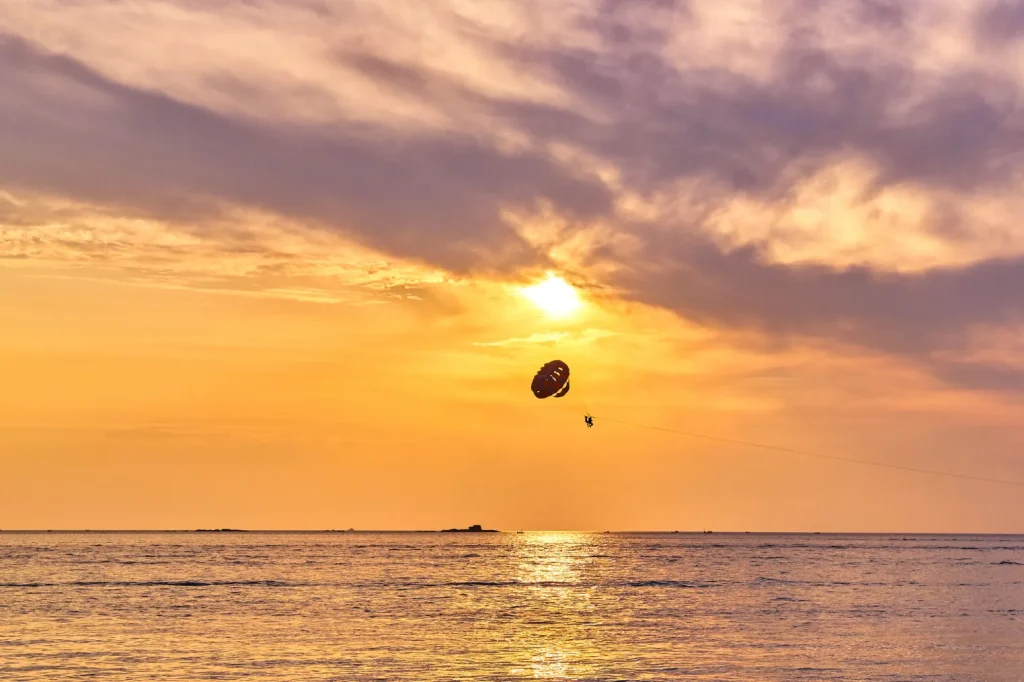
Your ride style sets the vibe, but harness fit is what decides whether those 8 to 12 minutes in the air feel breezy or fussy once the boat idles past the break. Ask the crew for harness adjustments before you clip in, and sit back so the straps spread across hips, not your belly. The crew will also double-check the towline and winch so your lift-off and landing stay smooth and predictable.
Harness fit makes your 8–12 minutes aloft breezy, not fussy, ask for adjustments and sit back, straps on hips.
On busy mornings, you may wait 10 to 20 minutes, so keep water handy and skip bulky beach bags.
- Wear snug shorts or leggings to prevent strap rub
- Bring reef safe sunscreen and a light windbreaker
- Stash phone in a float pouch, not a pocket
- Practice a relaxed boarding posture, chin up, knees bent
- During takeoff, breathe out and let the seat lift you
You’ll skim the wake, then rise.
When Waikiki Parasailing Gets Canceled (Wind, Waves, Refunds)
Even on a blue-sky Waikiki morning, parasailing can get called off fast when trade winds spike or the south swell turns the boat’s ride into a washing machine. You’ll often know by 7 to 9 a.m. via text before you head to Kewalo Basin. When it’s a weather call, they’ll rebook you or issue safety refunds, usually back in 3 to 7 business days. Operators cancel when parasailing weather cancellations from wind or rain make conditions unsafe, and will typically offer to reschedule you on the next available departure. Plan a flexible morning, pack water, reef-safe sunscreen, and a light layer, skip valuables and heavy bags. If you booked on Viator, free cancellation and reserve now pay later make weather delays less painful.
| Sea sign | Likely outcome today |
|---|---|
| Whitecaps offshore | Trip canceled early |
| Gusts at dock | Later departure |
| Choppy harbor mouth | Shorter flight |
| Big south swell | Rescheduled to tomorrow |
Still comparing Waikiki Parasailing?
Ask for tour ideas, hotel suggestions, or a simple trip plan that combines both.
Trip Helper
Questions to Ask Before Booking Parasailing Waikiki
Since Waikiki parasailing runs on tight boat schedules and tighter safety rules, a few pointed questions can save you money and a lot of dockside waiting.
Waikiki parasailing runs on tight schedules and strict safety rules, ask pointed questions to save money and avoid dockside waiting.
Call or message before you click Book, especially if you’re plus-size and want clear limits and harness options.
- What’s your max combined weight, and do you weigh on-site?
- What’s included: ride time, photos, towel, and fuel or harbor fees?
- How early should you arrive for check-in, and how long will you be on the boat?
- What’s the cancellation policy for wind, and do you get a full refund or credit?
- Can you reserve now, pay later, and change your slot?
Because Waikiki parasailing weight limits can vary by operator and daily wind conditions, confirm both the maximum combined weight and how they enforce it before you book.
Book a morning slot for smoother seas, eat light, bring water, and use a dry phone pouch small.
Frequently Asked Questions
What Should Plus-Size Travelers Wear for Comfort and Chafe Prevention?
Wear snug swim shorts or leggings and a rash guard in moisture wicking fabrics, then add breathable layers. You’ll prevent rubbing by applying anti chafe balms on thighs, underarms, and harness contact points beforehand daily.
Are There Nearby Restrooms and Changing Areas at the Parasailing Dock?
Yes, you’ll usually find restrooms a short walk from the dock, but confirm restroom proximity with your operator. Changing space can be limited on boats, so ask about onshore facilities and locker availability for dry clothes.
Can I Bring My Phone or Camera, and How Is It Secured?
Yes, you can bring your phone or camera, but you’ll test the theory that “it’ll be fine” as your heart jumps. You’ll use phone storage or a dry bag, and you’ll clip camera mounts to harness.
Is Parasailing Safe if I Have Anxiety or Fear of Heights?
Yes, parasailing can be safe with anxiety or fear of heights if you communicate it and follow crew instructions. You’ll use breathing techniques, start with exposure therapy, and you can opt for a lower flight.
Are There Accessibility Accommodations for Limited Mobility or Knee Pain?
Like a steady handrail, yes, you can find accommodations for limited mobility or knee pain. You’ll request accessible boarding, ask for adaptive gear, and choose calm operators who help you sit, launch, and land safely too.
Conclusion
Parasailing in Waikiki can feel like stepping off a postcard and into the trade winds, but you’ll fly smoother when you plan. Call ahead about per person limits and on-site scales, then book a calm morning slot. Arrive 30 minutes early with ID, snug shorts, and light shoes, skip the bulky tote. Ask for harness tweaks before you clip in. If weather flips, know the refund rules, or use Viator for reviews and free cancellation.