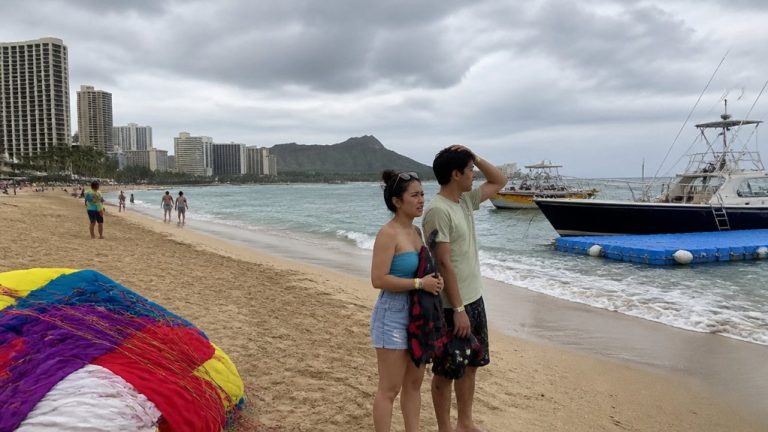
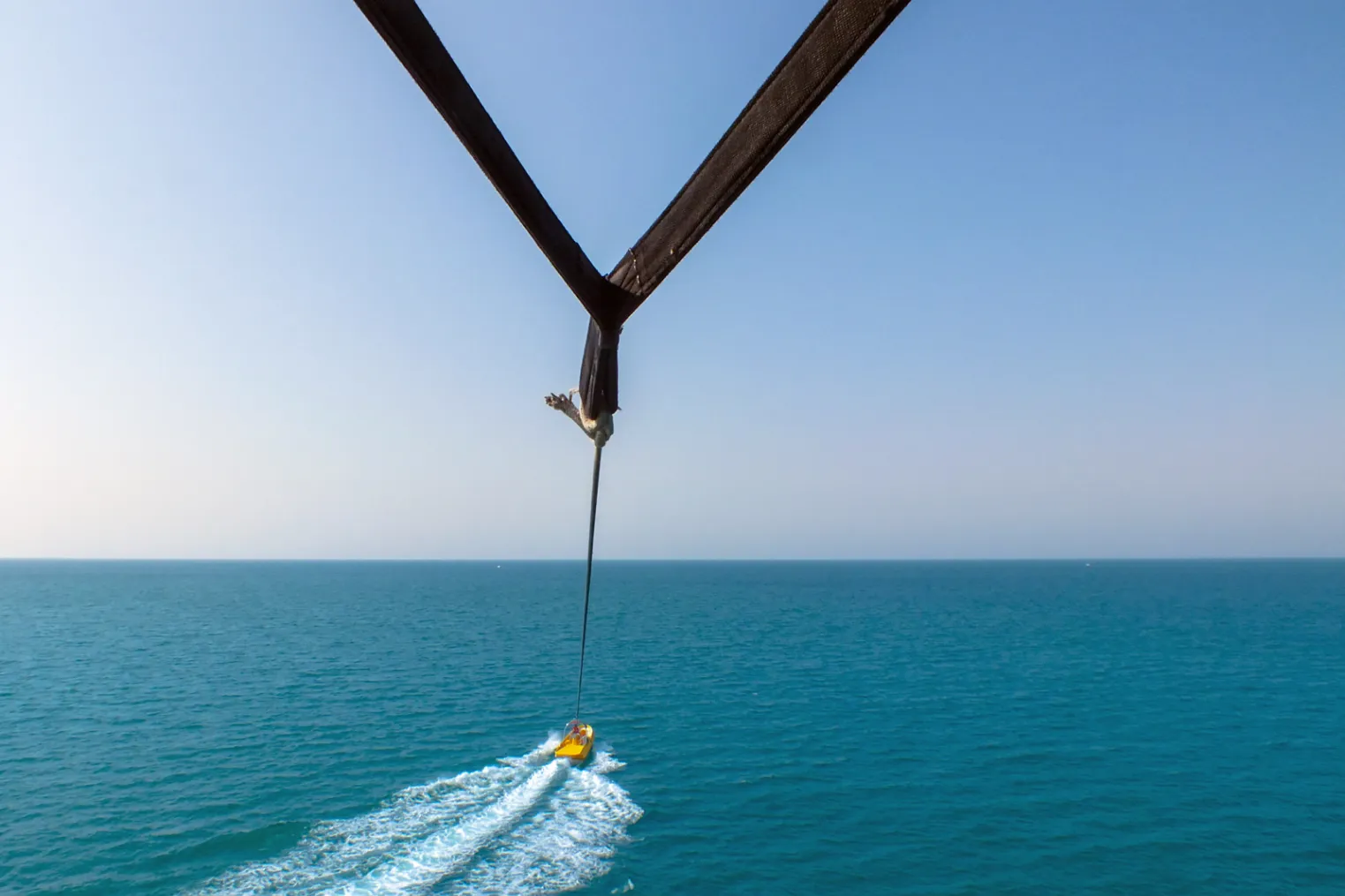
In Waikiki, you don’t pick a parasail by the loudest booth on Kalakaua, you pick it by the quiet, confident safety talk. You ask to see USCG permits, insurance, and the wind cutoff before you hand over $90 to $170, and you watch how they handle the morning rush at Kewalo Basin. Bring sunscreen, water, and a light jacket, skip the hard sell photo package. If Viator helps, use verified reviews and free cancellation, but keep one question for the dock crew.
Key Takeaways
- Verify the operator has current state/county permits and ask the harbor office to confirm authorization for Waikiki parasailing.
- Ask for liability insurance details (insurer name and policy limits) and avoid operators who give vague “we’re covered” answers.
- Confirm wind/sea cutoffs in knots, who measures them, and get written cancellation, refund, and reschedule terms before paying.
- Inspect safety gear at the dock: Coast Guard life jackets, first-aid kit, working radio, throwable float, and a clear retrieval plan.
- Check harness and towline condition (clean stitching, secure clips, rated Spectra/Dyneema line) and avoid rushed crews or hidden fees.
Waikiki Parasailing Safety: What Matters Most
While Waikiki parasailing looks effortless from the sand, safety is the part you can’t afford to “wing,” especially on breezy afternoons when the trade winds pick up and the boat traffic thickens. Book a morning slot when seas run smoother and crowds are lighter. Before you book, ask operators about their parasailing safety rules and inspections so you know how often gear is checked and what standards they follow. On the dock, watch how the crew checks harness stitching, winch line, and tow point, then listen for clear hand signals. Ask how they read ocean currents near the reef and when they’ll cancel for squalls. Solid pilot training shows in calm launches and steady pacing, not rushed upsells.
Expect about $90 to $140, plus tip. Bring sunglasses with a strap and a light rash guard. Skip loose hats and big cameras. Carry water, and eat light 30 minutes before.
Verify Waikiki Parasailing Licenses and Insurance
Because you’re leaving the beach and trusting a boat crew with your airtime, take two minutes to verify the company’s licenses and insurance before you pay a deposit.
Leaving the beach means trusting your airtime, take two minutes to verify boat licenses and insurance before paying a deposit.
In Waikiki’s busy marina, legit operators won’t blink when you ask for paperwork, and you shouldn’t either. In Hawaii, understanding how parasailing liability and insurance work can help you spot red flags and avoid operators who don’t meet basic legal or safety standards.
- Ask to see their state and county approvals and do permit checks with the harbor office.
- Confirm they carry liability coverage, and note the policy limits and insurer name.
- Make sure you get a written receipt that lists the operator, date, and cancellation terms.
Do this before you pack sunscreen or tip money.
If you’re booking through Viator, filter for verified reviews and free cancellation, then message the operator for documents.
Skip cash-only deposits and vague “we’re covered” answers.
Check the Parasailing Boat, Harness, and Towline
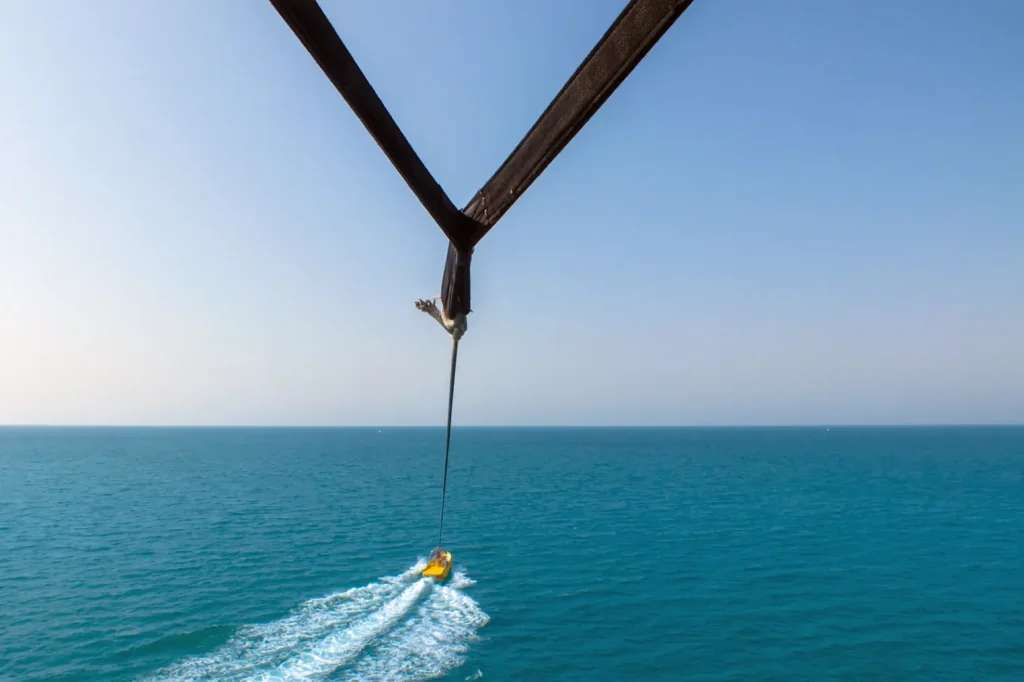
Before you sign the waiver and step onto the Waikiki dock, take 60 seconds to scan the boat for life jackets in multiple sizes, a working radio, and a tidy deck that won’t trip you in wet sandals. Ask to see the harness and towline up close, you want clean stitching, smooth clips, and a line that isn’t frayed, sun-bleached, or stiff with salt. For extra peace of mind, quickly run through an essential parasailing safety checklist so you’re confident the crew is following best practices specific to Waikiki’s beaches and conditions. If you’re booking through a Viator tour for easy timing, verified reviews, hotel pickup, and free cancellation with reserve now pay later, still pack reef-safe sunscreen and a light jacket, and skip loose hats and dangling jewelry.
Still comparing Parasailing Safety?
Ask for tour ideas, hotel suggestions, or a simple trip plan that combines both.
Trip Helper
Inspect Boat Safety Gear
Step onto the dock and treat the boat like you’re inspecting a rental car, just with higher stakes and salt in the air. Arrive 15 minutes early, when crews aren’t rushed by the next group, and ask to see the safety kit before you pay the balance.
- Coast Guard approved life jackets in multiple sizes, clean straps, no funky mildew
- A ready first aid kit, working radio, and a throwable float within arm’s reach
- Clear rescue procedures: who spots, who drives, where the ladder sits, and how they’ll retrieve you
As you look over the gear, remember that reputable operators in Waikiki emphasize parasailing safety tips specific to local wind, swell, and boat traffic conditions, and their crew should be able to explain how those affect your ride.
Bring water, reef safe sunscreen, and a light windbreaker. Skip valuables and long scarves. If the deck feels cluttered or the crew can’t answer fast, walk away, even if the discount looks tempting today.
Examine Harness And Towline
Once the boat’s safety kit checks out, let your eyes go straight to the gear that actually holds you in the air: the harness and the towline. Ask to see the harness before you pay. You want snug harness fit on hips and thighs, no frayed webbing, and buckles that click clean. Do a quick tug test while the crew watches, they should welcome it. Then inspect the towline material: modern Spectra or Dyneema looks smooth, not fuzzy, with labeled load ratings. In particular, pay attention to how the winch works with the towline to manage smooth takeoffs and controlled descents. If the dock’s crowded, take two extra minutes anyway.
| Check | What you look for | Walk away if |
|---|---|---|
| Harness | Even stitching, clean clips | Tears, rust, sticky releases |
| Towline | Rated fiber, fresh splices | Kinks, sun-bleached strands |
Bring sunglasses and a spray jacket; skip hats.
Ask About Waikiki Wind Limits and Cancellations
Because Waikiki’s trade winds can flip from a gentle breeze to a whitecap-maker in minutes, you should ask every parasailing operator for their exact wind limits and how they handle cancellations. You want numbers, not vibes: what knots trigger a no-go, and do Waikiki windcaps stop flights? Ask when they call it, before you pay for parking or haul gear to the dock. Since gusty trade winds can quickly change how wind affects your ride, confirm that the captain will shorten or cancel flights if conditions get unstable mid-tour.
- Wind limit in knots, and who measures it
- Cancellation thresholds, refunds, and reschedule window
- Text alerts, and how early they send them
Morning slots stay calmer, afternoons can build chop. Bring a light rain shell, skip loose hats. Booking on Viator can help, choose verified reviews and free cancellation, and use reserve now pay later, so you’re not stuck watching squalls.
Compare Waikiki Parasailing Packages: Altitude and Policies
Start by comparing altitude options, since a low flight can feel mellow while a higher tow gives you wider, salt-sparkled views and often costs a bit more. In Waikiki, most operators offer parasailing height options like 600 ft, 800 ft, or 1,000 ft, with price and thrill level usually increasing alongside altitude. Check each package’s safety policies and limits too, like weight ranges, wind cutoffs, harness checks, and whether they’ll cancel early when the beach gets crowded and gusty.
Bring sunscreen, water, and a light jacket for the breeze, skip bulky bags, and if you’re juggling timing, a Viator tour with verified reviews, hotel pickup, free cancellation, and reserve now pay later can make the schedule painless.
Altitude Options Compared
While “higher” sounds like an automatic upgrade, Waikiki parasailing altitudes are really a trade-off between view time, wind comfort, and how strict a company’s rules are. For the most iconic skyline shots, many visitors time their flights so Waikiki parasailing and Diamond Head line up in the same wide-angle view.
You’ll usually choose 500, 800, or 1,200 feet, and the jump in price is often $10 to $25 for a few extra minutes aloft. Ask how they reach maximum height: a gradual ascent feels smoother and keeps your photos steadier.
- 500 ft: mellow, warmer air, quick ride for first-timers
- 800 ft: best balance, longer glide, Diamond Head views
- 1,200 ft: biggest panorama, breezier, salt spray
Book early for calmer mornings and smaller crowds. Bring sunglasses, a rash guard, and a dry pouch. Skip loose hats. Viator can streamline booking with verified reviews, free cancellation too.
Safety Policies And Limits
Altitude gets you the photo, but the fine print keeps you safe, so compare each Waikiki parasailing package by its limits as carefully as its height. Check wind and sea cutoffs, refund rules, and how they handle sudden squalls. Ask about pilot training, how many launches they log each season, and who makes the no go call. Confirm weight limits for single and tandem, and whether they weigh you at the dock. Plan 90 minutes door to dock, go early to dodge crowds, and budget $90 to $160 plus tip. Bring a light jacket, water, and dry bag; skip big cameras and loose hats. When you compare companies, look for operators who clearly explain how they follow U.S. Coast Guard rules and Hawaii’s parasailing safety guidelines in their daily procedures.
| Policy to compare | What you want |
|---|---|
| Weather cancel | Clear cutoff, free reschedule |
| Weight check | Posted ranges, honest scaling every time |
Spot Dock-Day Red Flags Before You Fly
Often, you can tell in the first five minutes on the dock whether a Waikiki parasailing outfit takes safety seriously or just wants to get you in the air fast. Watch how they brief the group, not just the loudest guest, and whether they check harnesses twice. If the vibe feels rushed at 8 a.m. before the crowds, imagine noon. If you’re nervous about whether parasailing is scary, pay attention to how clearly the crew explains what to expect and what they do to keep parasailing in Waikiki safe and calm.
Look for these dock-day red flags:
- Prices that jump at check-in with hidden fees for fuel, photos, or card payments
- A crew that can’t explain wind limits, towline length, or their crew experience in plain English
- Old, salty gear stored in a heap, plus no shaded waiting area or drinking water
Bring sunscreen, a jacket, and tip money. Skip operators who shrug at questions.
Frequently Asked Questions
Are There Weight Limits for Solo Versus Tandem Parasailing Flights?
Yes, solo flights usually have lower weight restrictions than tandem, and tandems require a combined minimum/maximum. You’ll meet limits based on wind, towline, and harness design; operators weigh you and adjust pairings before launch for safety.
Can Children Parasail, and What Is the Minimum Age Requirement?
Yes, children can parasail, but you’ll wait for one key number: most operators require ages 6–8 minimum. You’ll complete age verification, provide guardian consent, prioritize child safety, and confirm pediatric equipment fits properly before takeoff.
Will I Get Wet, and Should I Bring a Change of Clothes?
You’ll likely stay mostly dry, but there’s some Splash risk during takeoff, landing, or a planned dip. Bring a light change of clothes and towel; follow this Clothing advice: wear quick-dry layers and sandals too.
Can I Bring My Phone or Gopro, and How Are Photos Handled?
Like a kite riding ocean wind, you can bring electronics, but you’ll need a waterproof case and secure strap. Ask about photo policies: crews often shoot, then sell packages; you can’t always film aloft yourself.
How Long Does the Entire Experience Take, Including Check-In and Boat Ride?
You’ll spend about 1.5–2 hours total: plan 20–30 minutes for check in duration, 10–20 minutes for boat transfer time each way, plus 8–12 minutes flying and a wait while others take turns.
Conclusion
Treat Waikiki parasailing like you’d treat the ocean itself: beautiful, but it sets the rules. Book morning flights when winds are calmer, expect $90 to $160, and show up 20 minutes early to check gear and ask who calls it off. Bring reef-safe sunscreen, a light jacket, and a dry bag. Skip operators that rush the briefing. If you need easy timing, a Viator tour with verified reviews and free cancellation can add hotel pickup.