
Most people don’t realize Waikiki parasailing operators can follow very different weight limits, wind cutoffs, and gear checks, even on the same sunny morning. You’ll usually pay about $100 to $200 for a 10 to 15 minute flight, but the real test starts before you board, when you ask who calls the weather hold and how often they log harness and towline inspections. Book an early slot, bring reef-safe sunscreen and a dry pouch, skip loose hats, and watch for one quiet red flag that can save your trip.
Key Takeaways
- Book a licensed, well-reviewed Waikiki operator that explains wind limits, launch/landing steps, and who makes the final go/no-go call.
- Confirm published weight limits before paying: minimum often ~90 lbs, tandem combined cap commonly near 450 lbs, and some tandem minimums apply.
- Expect a brief safety briefing covering hand signals, landing posture, and where to stow belongings; arrive 20–30 minutes early for check-in.
- Weather drives safety: gusty winds, whitecaps, choppy seas, or poor visibility can trigger holds or cancellations, choose free cancellation for flexibility.
- Do quick comfort and gear checks: snug swimwear and secure footwear, no loose hats/jewelry, and ask to see harness condition and reserve parachute seal tag.
Is Waikiki Parasailing Safe for Kids and Adults?
While parasailing off Waikiki looks like a postcard come to life, it’s generally safe for both kids and adults when you go with a licensed, well reviewed operator that follows clear weight limits, checks the wind, and keeps the boat crew focused.
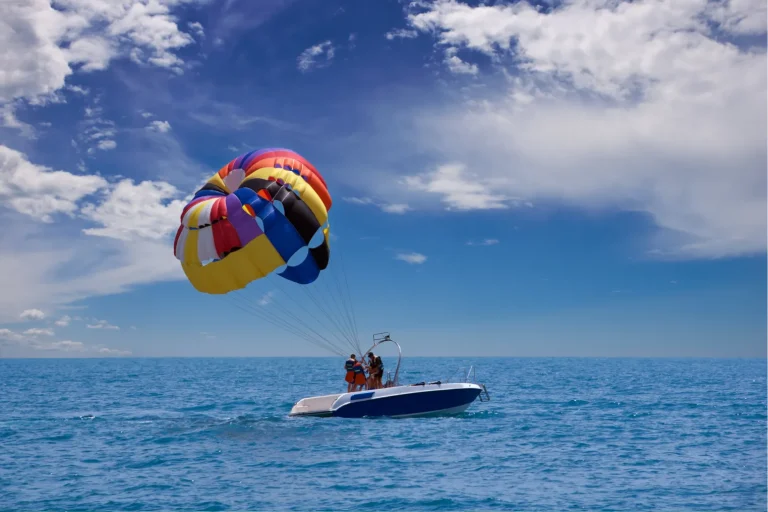
After a quick briefing, you’ll cruise 10 to 15 minutes offshore, then float high above Waikiki.
Before booking, ask for their family friendly guidelines and an age restrictions overview, since some operators require kids to ride with a parent.
Many companies also publish clear age guidelines for families so parents know what to expect before they arrive at the dock.
Go early for calmer water and shorter check-in lines at Kewalo Basin.
Plan on $90 to $140 per flyer, photos cost extra.
Bring reef safe sunscreen and a light jacket, plus a dry pouch for your phone.
Skip hats and loose jewelry, though.
Waikiki Parasailing Weight Limits and Safety Rules
Waikiki parasailing feels laid back once you’re in the harness, but the real safety net starts on the dock with weight limits and weather rules.
Waikiki parasailing is calm in the air, but real safety starts dockside with weight limits and weather checks.
Expect Weight restrictions by operator, often a minimum around 90 lbs and a combined tandem cap near 450 lbs, so tell the crew your honest numbers. Some companies may also set a higher minimum for tandem flights, so confirm the operator’s posted minimum weight limit when you book. Show up 20 minutes early; morning slots fill fast in peak season.
You’ll get Harness inspections, buckle checks, and a quick briefing on hand signals and landing posture. Wear snug sandals or go barefoot, bring a light rash guard, and skip loose hats and big cameras unless they’re strapped.
Typical flights run 8 to 10 minutes, with total boat time about 60. Budget $90 to $140 plus tips. Bring sunscreen, water, and ID.
How Waikiki Parasailing Crews Call Weather Holds
Before you clip in, you’ll hear the crew talk numbers, watching wind and gust thresholds and calling a weather hold if the breeze turns punchy.
You’ll also see them judge visibility and sea state, because a hazy horizon or choppy, whitecapped water can make takeoff and landing feel sketchy even on a sunny morning.
Wind, rain, and shifting conditions are the main reasons for weather cancellations in Waikiki, and crews will often reschedule rather than rush a marginal window.
Pack a light rain shell and dry bag, skip the heavy hoodie, and if you’re booking ahead on Viator, choose a tour with verified reviews, hotel pickup, free cancellation, and reserve now pay later so a last minute hold doesn’t sting.

Wind And Gust Thresholds
Since trade winds can flip from a steady breeze to a sharp gust in minutes, Waikiki parasailing crews keep hard wind and gust thresholds and they’ll call a weather hold the moment conditions feel twitchy. You’ll hear the captain cite wind limits, then watch them track spikes on the anemometer and issue gust warnings. As wind builds, the canopy can start to sway and climb faster, changing the feel of the ride, especially during wind picks up moments. If it ramps up, your 9 a.m. slot may shift to noon, so don’t stack snorkel plans right after.
Operators pause before you clip in, even if the dock feels mellow. Bring a light jacket, tie back long hair, and skip floppy hats. Expect $120 to $180 per flight; holds don’t change the price, only the schedule. Booking on Viator with reviews, free cancellation, and reserve now pay later helps.
Visibility And Sea State
Wind can stay inside limits and still feel wrong once you look past the dock, so crews also judge visibility and sea state before they’ll send you up.
You’ll hear them call out a visibility range in miles, check sea clarity for hidden reefs, and watch swell direction as sets wrap into Waikiki.
If the chop height stacks with a strong tidal flow, the launch gets bouncy and the boat wake can slap the platform, so they’ll pause.
In windy Waikiki conditions, it’s common for operators to put tours on hold or cancel entirely based on windy weather even when it seems manageable onshore.
Plan a flexible morning slot, holds often clear by lunch.
Bring a light rain jacket, sunscreen, and a dry bag, skip loose hats.
Expect $120 to $180.
Book a Viator tour if you want verified reviews, free cancellation, and reserve now pay later for easy rescheduling.
Waikiki Parasailing Equipment Checks Before Takeoff
Even if the ocean looks like blue glass off Waikiki, your parasailing crew should run a quick, methodical gear check that takes about two to five minutes and sets the tone for the whole ride. It shouldn’t add a dime.
Watch for a hands on harness inspection: snug straps, clean buckles, no salt-crusted stitching. Ask to see the reserve parachute seal and date tag, and glance at the towline for line abrasion where it rides the boat’s pulley. You can also peek at the winch drum; steady spooling and fresh grease hint at winch maintenance done on schedule. Bring sunglasses with a strap and a light spray jacket. Skip loose hats and long, swinging jewelry. In busy midday slots, that short check matters most. Also, confirm the crew covers hand signals and basic launch/landing instructions before you’re clipped in.
What Your Waikiki Parasailing Safety Briefing Should Cover
After the crew finishes that two to five minute gear check, you should get a short safety briefing that tells you exactly how the next 30 to 60 minutes will run, from dock to splashdown. You’ll hear where to stash bags, when to take photos, and how the towline feels during launch. Ask where and when dock check-in happens at the Waikiki parasailing dock so you know what to expect before boarding. Ask about weight limits, wind calls, and the expected wait if Waikiki’s boat lane is busy. Bring reef-safe sunscreen and a light jacket; skip dangling jewelry and loose hats.
| Know | Why it matters |
|---|---|
| Flight signals | Hands up, OK sign, point to land |
| Emergency procedures | Cutaway, radio call, how to reboard |
| Splashdown plan | Knees bent, stay seated, listen |
If you’re booking via Viator, check verified reviews, free cancellation, and reserve now pay later.
Waikiki Parasailing Safety Red Flags When Booking
While Waikiki’s parasail boats can look glossy from the beach, you should watch for a few booking red flags before you hand over your card number.
If the operator can’t explain wind limits, launch procedures, and who makes the final go or no go call, walk away.
Prices far below the usual $120 to $180 often mean rushed trips and thin staffing, classic operator negligence.
Ask when their gear was last logged and whether they do a documented anchor inspection before each session.
Also ask if the boat has passed required Coast Guard inspections and how often those inspections are performed.
Scan reviews for repeated notes about late departures, overcrowded boats, or sketchy cash only add ons.
Booking through a Viator tour can help if it offers verified reviews, free cancellation, and reserve now pay later, especially on busy weekends in July.
What to Wear and Bring for Waikiki Parasailing Safety
Before you clip in, dress for salt spray and sun, think quick dry swimwear, a rash guard, and snug water shoes or straps so nothing flies off when the boat picks up speed.
For the best outfits, prioritize quick-dry clothing that won’t chafe and can handle wind and spray.
Pack reef safe sunscreen, polarized sunglasses on a retainer, a small towel, and a dry bag for your phone and cash for tips, then skip dangling jewelry and anything you’d hate to lose.
If you’re aiming for a calmer ride and fewer crowds, book an early slot and show up 20 to 30 minutes ahead, and if logistics feel messy, a Viator tour with verified reviews, hotel pickup, free cancellation, and reserve now pay later can tidy up timing.
Appropriate Clothing And Footwear
Usually, what you wear for Waikiki parasailing matters as much as the flight itself because you’ll get splashed at the dock and wind-whipped once you’re up. Dress like you’re heading for a breezy boat ride, not a beach nap, and you’ll stay comfortable even in the midmorning rush.
- Choose sun protective clothing, like a rash guard or long-sleeve swim top, so the harness doesn’t chafe.
- Pick snug swim shorts or a one-piece that won’t shift when the crew clips you in.
- Wear waterproof footwear: reef shoes or sport sandals with heel straps beat flip-flops, which can disappear fast.
- Add a light windbreaker only if it’s under $10 to rent and clouds roll in.
Wearing gear that helps you feel secure can also reduce nerves if you’re wondering whether parasailing is scary in Waikiki.
Skip loose hats; they’ll fly off quickly.
Essential Items To Bring
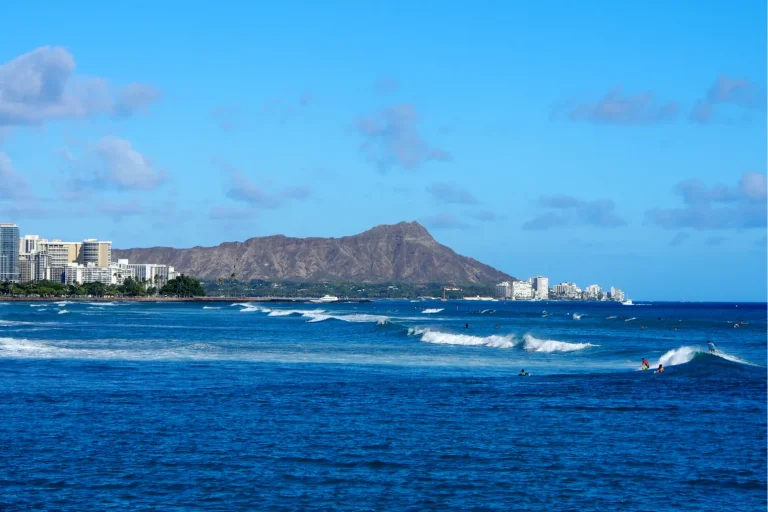
Pack smart and you’ll spend your Waikiki parasailing run watching Diamond Head rise over the water, not scrambling on the dock for something you forgot.
Do sunscreen application before you leave the hotel, then top up with reef safe lotion once you’re on the boat, salt spray steals coverage fast. Clip on a sunglass retainer, wind has no mercy, and stash your wallet in a dry bag the crew can lock.
Bring a waterproof phonecase if you want photos, but skip bulky cameras, they’re awkward at takeoff. Toss a hydration snack and water in your tote for the ride back. A light jacket helps when trade winds kick up, especially on morning departures. Keep $10 for a crew tip and spare towel. Also pack swimwear that can handle getting splashed, since you’ll be gearing up on a moving boat.
Frequently Asked Questions
What Liability Waiver Will I Sign, and Can I Review It Beforehand?
You’ll sign a standard release-of-liability waiver acknowledging risks and limiting the operator’s liability coverage. You can review it beforehand, ask them to email or post it online, and confirm any signature requirements for minors or witnesses too.
Can I Bring My Phone or Gopro, and How Are They Secured?
You can bring your phone or GoPro; most operators allow it, and nearly 70% report riders filming. You’ll secure devices in waterproof cases and clip them to safety lanyards; don’t handhold during takeoff or landing.
What Happens if I Get Seasick, and Do You Provide Motion-Sickness Bags?
If you feel queasy, you’ll sit near fresh air, sip water, and use our sea sickness remedies; we’ll hand you a motion-sickness bag away. Our crew assistance protocols monitor you, slow down, and return early.
Do You Offer Hotel Pickup, and How Early Should I Arrive to Check In?
You can book hotel shuttles with select Waikiki properties; otherwise, you’ll meet us at the harbor. For smooth check in timing, arrive 30 minutes early with ID, waiver completed, and cashless payment ready for everyone.
What Is Your Cancellation and Refund Policy if My Trip Is Rescheduled?
Like a town crier, you’ll get a refund if we reschedule and you can’t go. If you switch to another date, you won’t pay rescheduling fees. Cancel late, and you may receive partial refunds only.
Conclusion
You’ve probably heard the theory that Waikiki parasailing gets riskier after lunch, when winds pick up. Test it by booking a 9 to 11 a.m. slot, and notice how often crews call holds later. You’ll pay about $120 to $180 for a 10 to 15 minute flight, so don’t waste it in a dock line. Bring reef safe sunscreen, snug swimwear, dry pouch. Skip loose hats. Viator can streamline bookings with reviews and free cancellation.