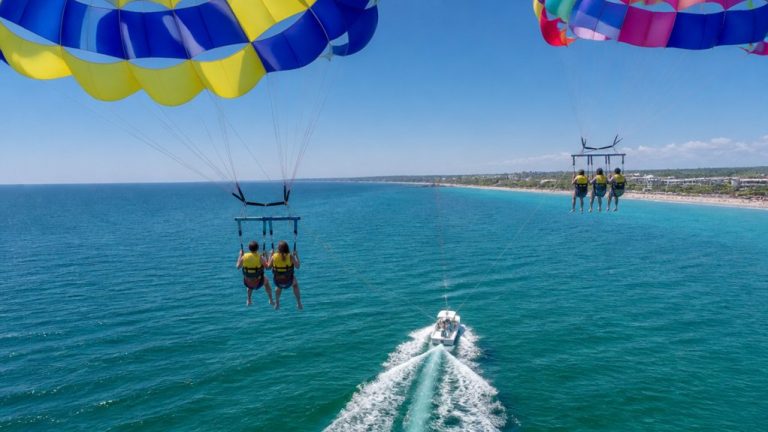
You’re on the 10 a.m. Waikiki parasail boat, the skyline sharp, then the trade winds kick up and the captain slows, scans the whitecaps, and makes you wait 15 to 60 minutes while the crew rechecks the towline and harness. You might get a snappier lift, a shorter flight, or a straight-up cancel, then a rebook or refund. Bring a light jacket, skip loose hats, and if you booked via Viator, verified reviews and free cancellation help with timing, but what actually tips the call?
Key Takeaways
- Captains decide go/no-go mainly by wind and gusts, typically limiting flights in the mid-teens to low-20s knots.
- Gust spikes matter more than averages; repeated sharp gusts can yank the canopy and trigger delays, shorter flights, or cancellations.
- If winds rise, launches may pause 15–60 minutes while crews recheck meters, towline tension, and wave/chop safety margins.
- Wind direction changes the experience: onshore winds add chop and spray; offshore winds can feel calm yet push the canopy landward.
- Over ~20 knots, cancellations become likely, and most operators offer rebooking or refunds after the captain’s final check.

Parasailing Experience in Waikiki, HI
Experience the thrill of Oahu parasailing on this unforgettable 1-hour adventure from Waikiki. Soar up to 1,000 feet above the stunning south shore of...

Waikiki Parasailing in Hawaii from Oahu
Experience the thrill of parasailing over Hawaii’s stunning coastline as you glide above crystal-clear waters and...

Oahu: The Magical Mystery Show! at Hilton Waikiki Beach Hotel
Step back in Hawaii's history to 1881 when King Kalakaua visited London. You've found the hidden gem of Oahu. This i...

Waikiki 2-Hour Sunset Sailing Catamaran – Swim & Sail Adventure
There’s no better place to take a dip than the crystal-clear waters of Waikiki—and no better way to experience a...
Is Waikiki Parasailing Safe When It’s Windy?
While Waikiki’s trade winds can feel like a welcome blast on the beach, they’re also the main factor that decides whether parasailing is safe that day. If the breeze rises, you’ll watch the crew double check harnesses, towline, and canopy for solid kite control, then talk you through wind safety rules before you ever leave the dock. Operators will explain how they assess parasailing in Waikiki conditions, like wind speed, direction, and wave height, so nervous first-timers understand why flights are delayed, shortened, or canceled on gusty days.
Book an early slot, around 8 to 10 a.m., when seas often look smoother and boat traffic is lighter. Expect 8 to 12 riders per trip, about $90 to $140, plus photos. Bring reef-safe sunscreen, a light jacket, and a dry bag for your phone. Skip loose hats and big towels. For logistics, Viator tours with verified reviews, free cancellation, and reserve now pay later can help.
What Wind Speeds Are “Too Windy” to Fly?
On windy mornings in Waikiki, you’ll hear crews talk less about “breezy” and more about numbers, because wind speed decides if the boat even leaves the slip. Many captains set wind limits in the mid teens to low 20s knots, and keep safety margins for swell and deck space. They’ll review gust sampling notes and confirm instrument calibration before anyone straps in. Local operators use these limits to decide when parasailing tours cancel altogether and keep guests safely on shore.
- Under 15 knots: steady flights, go early, lighter crowds.
- 15 to 20 knots: you may wait, bring a thin jacket, skip loose hats.
- Over 20 knots: expect a no go, reschedule or refund.
Budget $90 to $120 for flights. On a tight schedule, Viator tours with verified reviews, hotel pickup, free cancellation, and reserve now pay later simplify timing.
Wind vs. Gusts: What Matters More?
Because Waikiki’s trade winds can look calm from the sand yet spike hard out on the water, gusts often matter more than the “average” wind number when you’re deciding if you’ll actually fly. A steady 12 mph can feel fine, but 20 mph pops can yank the canopy and force a quick pilot response. Ask what the gusty thresholds are, not just the forecast. You’ll wait less if you book the 8 to 10 a.m. slot, and you’ll often pay $90 to $150. Bring sunglasses with a strap and a light spray jacket. Skip loose hats and big cameras in the boat. Operators may also cancel or reschedule based on parasailing weather cancellations that combine wind, rain, and choppy surface conditions.
| Watch for | What it means |
|---|---|
| Lulls | Easy tow, smoother takeoff |
| Short spikes | Possible pause, shorter line |
| Repeating gusts | Likely cancel, safety first |

Waikiki: 2 hours - Friday Night Fireworks Catamaran Cruise
Enjoy the spectacular FRIDAY NIGHT FIREWORKS show along the beautiful coastline of Waikiki while we get up close and...

Polynesian Cultural Center: Gateway Buffet Package
Located on O‘ahu’s North Shore, the Polynesian Cultural Center is a one-of-a-kind attraction showcasing the peop...

Oahu: Full or Half Day Grand Circle Island Tour
Choose from two exciting ways to experience Oahu's top attractions, scenic beauty, and local culture.Option 1: Dol...
Onshore vs. Offshore Winds Near Waikiki
If you watch the palms along Kalākaua Avenue, you’ll often spot the real story before the forecast updates: onshore winds push in from the ocean and make the boat ride choppier, but they usually keep the canopy flying away from the beach, whereas offshore winds spill out from the city and can feel calm on the sand yet nudge your flight back toward land.
Late morning trades usually turn onshore, then a sea breeze reversal may show up near sunset. Watch for shoreline convergence off Queen’s Surf where ripples meet. For the latest marine wind and weather details offshore, you can always check updates from the NWS Forecast Office in Honolulu before you head to the dock.
Before you head out:
- Bring a light shell, retainer shades.
- Skip loose hats, big beach bags.
- Book early for thinner crowds, ask about rescheduling before paying. You’ll save time and won’t chase surprises either.
How Wind Changes Lift, Tow, and Landing
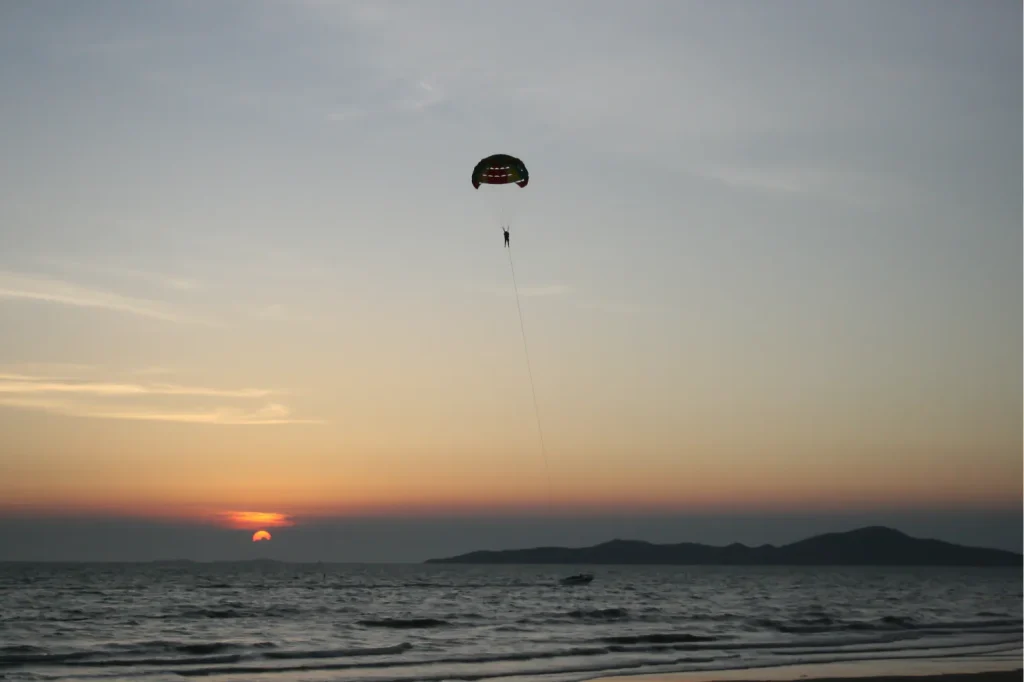
When the Waikiki wind shifts, you’ll feel it first in the lift, because a headwind can add airspeed and pop you up faster while a lull makes the ride feel heavier and slower. On tow, gusts can spike the towline tension and nudge the boat’s track, so keep your hands clear, listen to the crew, and stash loose hats and phones in a zip pouch. For landing, wind sets your approach and drift, so wear snug sandals or go barefoot, skip bulky backpacks, and book a Viator tour with verified reviews, hotel pickup, free cancellation, and reserve now pay later if you want a tighter time slot and fewer dockside crowds. Checking a simple parasailing safety checklist before you head to the dock helps you match your gear, expectations, and timing to the day’s Waikiki wind and weather conditions.
Lift And Airspeed Effects
A steady Waikiki trade wind does more than ruffle the palms, it changes how your parasail actually flies. When the breeze increases, your canopy meets faster airflow, so lift vectors tilt and you climb sooner. You’ll feel airspeed modulation as the ride smooths or jitters with gusts, like surfing a soft ridge of air. Understanding basic parasailing safety and wind effects helps you choose operators who watch conditions closely and reschedule if speeds become unsafe.
- In stronger wind, launch takes seconds, keep your chin tucked and breathe.
- Midflight, you may drift slightly inland, scan Diamond Head and the reef.
- Landing needs patience, keep knees bent, don’t rush the deck.
Go early, 8 to 10 a.m., before crowds and chop. Bring sunglasses, a light spray jacket. Skip dangling hats. Many Viator tours have reviews, hotel pickup, free cancellation, and reserve now pay later.
Towline Tension And Control
Watch the towline as closely as the horizon, because wind turns that rope into your steering wheel and your speed gauge. When gusts roll in, tension climbs fast and the boat may throttle back to keep you steady. While the boat adjusts power to keep things smooth, your actual time in the air usually stays consistent, so changing wind is more about control than cutting your flight short. You can help by staying centered in the harness and keeping hands light, good control ergonomics beats wrestling. If the line hums, snaps, or shows fuzz, speak up. That’s early towline wear, not a souvenir.
Ask the crew about wind limits before you pay, typical Waikiki flights run $90 to $140. Book a morning slot to dodge afternoon gusts and crowds. A Viator tour can simplify timing with reviews, pickup, free cancellation, and reserve now pay later. Bring sunglasses and a small dry bag, skip hats.
Landing Approach And Drift
Gusty trade winds don’t just tug the towline, they also decide how your landing feels, from a slow, floaty glide to a quick skim toward the boat’s stern platform. As wind builds, the chute makes extra lift, so you hang longer, yet landing drift increases as the crew sets the approach vector. Crews should also be ready to adjust or abort flights if Waikiki parasailing safety checks or weather inspections show winds exceeding their safe operating limits.
- Follow hand signals, keep knees soft, and stay seated in the harness.
- Secure hats and slides, they vanish fast.
- Plan for waits: afternoon boats fill, trips can run 20 minutes late, and flights cost $90 to $140.
Bring sunglasses, a light rash guard, and a small dry bag for phones. Skip bulky backpacks and dangling jewelry, unless you want a souvenir splash. Tip the crew, cash works best onboard.
How the Captain Decides It’s Safe to Launch
Before you even clip into the harness, the captain runs a quick, no-nonsense safety check that’s equal parts local know-how and hard numbers, because Waikiki’s wind can flip from postcard-perfect to sketchy in minutes. You’ll hear a crew briefing, then watch a launch checklist: wind meter reading, gust range, towline length, and a final look at cloud bands and shoreline flags. The captain will also factor in specific Waikiki parasailing launch points to account for how local geography can funnel or block wind before deciding to take off. If the numbers or cues feel off, you wait or you cancel, no debate. Plan to arrive 20 minutes early, mornings are calmer and less crowded, and bring water, sunscreen, and a light rash guard. Skip big hats and loose GoPros. Most rides run $90 to $160. A Viator tour can lock a time slot with reviews, free cancellation, and reserve pay later.
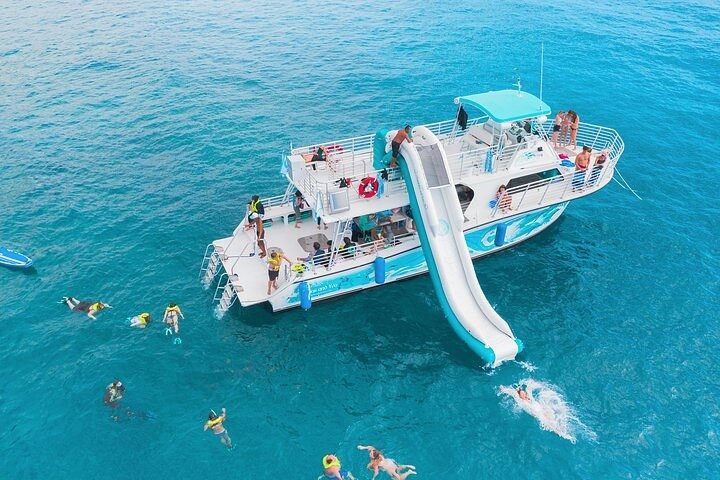
Oahu Dolphin and Snorkel Tour with Waikiki Pickup & Lunch
Join one of Oahu’s most popular ocean adventures and experience why over 300,000 guests have fallen in love with t...
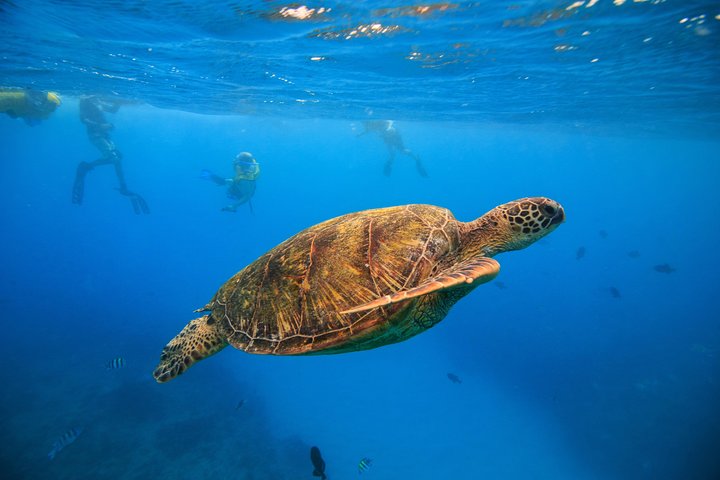
Waikiki, Hawaii: Turtle Canyon Snorkel Excursion
Discover the magic of snorkeling with Hawaiian Green Sea Turtles at Waikiki’s famous Turtle Canyon. On this 2-hour...

Hanauma Bay Snorkeling from Waikiki
Experience Hanauma Bay the easiest way with Waikiki’s most reliable Hanauma Bay shuttle. Our early 5:40 AM pickup...
How Ocean Chop Changes the Ride
On choppy days, the ocean sets the tone long before you’re in the air, because every bounce of the boat tugs the towline and changes how smooth the ride feels.
You’ll notice more spray, more engine corrections, and a busier deck as the crew times your clip-in between swells. If you’re a first-timer, these conditions can still be manageable by choosing operators known for beginner-friendly parasailing and clear safety briefings.
- Sit near the stern for steadier footing, and keep one hand on the rail.
- Bring a light spray jacket, sunglasses strap, and a small dry bag, skip loose hats.
- Budget an extra 15–30 minutes for slower turns and resets, especially in peak 10 a.m. crowds.
Most operators won’t discount for ocean chop, so expect the usual $90–$140.
If you book a Viator tour, verified reviews and free cancellation help you pivot fast.
What a Windy Parasail Flight Feels Like
In a stiff Waikiki breeze, you’ll feel the canopy bite the air and lift you faster, with the harness tugging snug at your hips as the towline stays tight. You rise in pulses then settle into a rapid sway that tilts the skyline. If you’re wondering what turbulence is it’s a brisk wobble plus the occasional stomach drop when a gust hits. It’s less like a roller coaster and more like being gently winched into a quiet sky, where the boat shrinks below and you notice how parasailing feels strangely calm once you’re up.
The boat may trace wider arcs to hold tension so you still get 8 to 10 minutes aloft even on crowded mornings. Bring strap-on sunglasses and a spray jacket, skip floppy hats. Expect $90 to $140. Wind noise and salt mist can spark sensory overload. A Viator tour streamlines timing with verified reviews, hotel pickup, free cancellation, and reserve now pay later.
Who Should Skip Windy-Day Parasailing?
Although a windy Waikiki morning can look thrilling from the beach, you should sit it out if you get motion sick easily, feel anxious when you can’t control your body position, or you’re traveling with kids who don’t meet the operator’s minimum age and weight rules. Gusts amplify swing, and beginners tense up, which makes the ride feel rougher. If you’re pregnant, most operators won’t let you fly due to parasailing safety policies, so plan on a calm beach day or a boat-only ride instead.
- If you have heart conditions or you’ve had recent surgeries, ask your doctor and choose a calmer day.
- If motion sickness hits you on boat rides, skip breakfast, but don’t gamble, you’ll pay $80 to $150 to feel lousy.
- If crowds push you to rush, book a morning slot, bring sunscreen, and consider Viator, verified reviews, free cancellation, pack a rain jacket.
Why Boats Delay Launches (and for How Long)
You’ll notice boats delay launches when winds hit the operator’s safety thresholds, so the crew waits for steadier gusts before they clip you in and head out. Harbor chop and boat traffic can also push your slot, especially midmorning, so pack water, a light windbreaker, and reef-safe sunscreen, and skip loose hats unless you like donating them to the Pacific. Most waits are 15 to 60 minutes afloat, and if you’re juggling dinner plans, a Viator tour with verified reviews, hotel pickup, free cancellation, and reserve now pay later can help you lock in a flexible time window. Local crews who run parasailing in Honolulu constantly monitor conditions around Waikiki and will hold or stagger launches until breezes drop back into their safe operating range.
Wind Thresholds And Safety
When the trade winds pick up off Waikiki, captains don’t guess, they wait, because parasailing turns from breezy fun to a hard safety call fast. You’ll hear the crew talk about wind limits and safety margins, not vibes. If gusts spike or the tow line starts to sing, they’ll delay 15 to 60 minutes, then reassess and refund or rebook if it won’t settle. This is also why smart operators stress last‑minute parasailing booking options that include flexible cancellation when conditions turn marginal.
- Watch the flags and whitecaps, they’re tells.
- Bring a light spray jacket, sunglasses strap, and water, skip big hats.
- Book early morning slots to beat building winds and crowds.
Expect $80 to $140, and if you use a Viator tour, pick one with verified reviews, free cancellation, and reserve now pay later, so waiting doesn’t sting.
Harbor Conditions And Timing
If the harbor mouth looks glassy from the dock, don’t assume you’re launching on time, because Kewalo Basin and Ala Wai can turn into a slow-motion bottleneck as crews wait for a safe lull, a clear channel, and a steady tow path past the surf line. Harbor traffic stacks up with fishing skiffs, tour cats, and paddlers, and you’ll feel the schedule tighten. Tidal currents can push the boat sideways at the ramp, so captains time departures to avoid a messy, fuel-wasting jockey. Local crews also factor in Kewalo Basin facilities and parking flow, since crowded harbor lots and bathroom stops can slow check-in before anyone even boards. Plan like a local: arrive early, keep sandals on, and pack water and sunblock. Skip heavy breakfast and dangling jewelry. If you’re booking, Viator tours with reviews and cancellation help when timing shifts, and reserve now, pay later keeps you flexible.

Oahu Shark Dive on the North Shore
Book the Oahu Shark Dive for a thrilling shark encounter off the North Shore. You’ll travel by boat from Haleiwa H...

Oahu Grand Circle Island Experience from Waikiki
Enjoy Grand Circle Island experience tour with breathtaking views of Amelia Earhart Lookout on Diamond Head, admire...
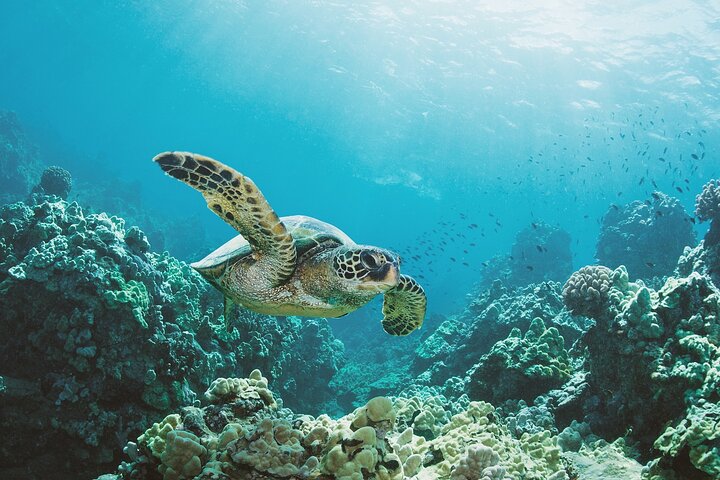
Waikiki: Turtle Canyon Snorkel Adventure on Oahu
Enjoy an exclusive snorkeling adventure in Waikiki with small group sizes for a comfortable and VIP experience. You...
Typical Wait Times Afloat
Often the real wait starts after you’ve already left the dock, with the boat idling just outside Kewalo or Ala Wai while the captain watches sets and radio chatter. If you’re budgeting your day, remember that these on-water holds are part of the overall door-to-door timing of a Waikiki parasailing outing, from pickup to final drop-off.
On windy days you might float 10 to 30 minutes, sometimes 60 if squalls slide through. Those float durations aren’t wasted, they’re waiting protocols: the crew times lulls, checks towline tension, and spaces boats. Expect three common reasons:
- Wind spikes above limits, you circle and hydrate.
- Harbor traffic stacks up, launches pause 5 to 15 minutes.
- Gear checks and waivers, especially with big crowds, add 10 minutes.
Bring a light rash guard, dry bag, and cash for tips. Skip heavy jackets and loose hats. If you’re rushed, choose Viator with verified reviews and free cancellation.
When Waikiki Parasailing Gets Canceled
Even on a bright Waikiki morning, parasailing can get called off fast if the ocean turns choppy, the trade winds spike, or a quick squall slides in from the east. You’ll hear the call at check in or offshore, when the captain scans the horizon and the wind gauge. Under federal US Coast Guard rules, operators must follow strict weather and equipment safety standards, which can trigger last‑minute cancellations when conditions change. When it’s a no go, focus on cancellation logistics. Keep your phone loud, because customer communication often comes by text. Ask where to meet, and whether you should stay aboard to return to the dock. Pack a light rain shell, reef safe sunscreen, and water, but skip loose hats and dangling jewelry. A Viator tour with verified reviews and hotel pickup can simplify timing and paperwork, plus reserve now pay later helps during busy weeks.
Reschedules and Refunds: What to Expect
If your Waikiki parasailing trip gets scrubbed, you’ll usually get a quick choice to reschedule, often for the next calm morning slot or a later day, so keep your phone handy and pack reef-safe sunscreen and a light jacket for the boat breeze. Before you book, make sure you understand the essential tips on what to check first so you’re not caught off guard by last-minute weather changes or policy fine print.
Ask how long they’ll hold your new time, whether you’ll pay any price difference, and what happens if you can’t make it back before your flight, crowds fill prime windows fast.
For refunds, confirm eligibility and the timeline to see your money back on your card, and if you booked a Viator tour, check for verified reviews plus free cancellation or reserve now pay later, just don’t count on cash refunds at the dock.
Rescheduling Options And Timing
When the trade winds kick up or a quick squall slides across Waikiki, your parasailing operator will usually move fast to reschedule rather than cancel your day outright. You’ll usually hear 30 to 90 minutes before launch, with fresh timing windows built around wind readings and boat traffic. Ask about schedule flexibility if you’ve got other tours booked. Many Waikiki operators outline their specific reschedule policies and typical weather call times as part of their Waikiki parasailing tips and what to expect.
- Switch earlier if the morning looks calmer.
- Aim for late afternoon when breezes soften and crowds thin.
- Rebook another day at the same pier.
Most operators won’t charge to shift slots, but you’ll need to confirm fast.
Bring water, reef safe sunscreen, and a light jacket for spray.
Skip big hats and dangling scarves, they’ll take off.
Keep your phone on, volume up.
Refund Eligibility And Process
Because Waikiki weather can flip from postcard calm to gusty in minutes, you’ll want to know your operator’s refund rules before you leave the hotel and walk down to the pier.
Ask what counts as “no go”: high winds, rough chop, lightning, or a Coast Guard advisory. Those are usually your eligibility criteria for a full refund, often issued to your card within 3 to 7 business days.
If you cancel yourself, you may lose a deposit, especially inside 24 hours, so set a phone alarm.
Bring the card you booked with and your confirmation email, screenshots help when the dock’s crowded.
The refund process goes smoother if you book a Viator tour with verified reviews, free cancellation, and reserve now pay later options.
Before you sign anything at the check-in desk, skim your parasailing waiver so you understand how weather cancellations, reschedules, and liability are actually handled in Hawaii.
Best Time of Day for Calmer Winds
Often, the calmest parasailing rides in Waikiki happen in the early morning, roughly 8 to 10 a.m., before the trade winds and afternoon sea breeze start flexing. You’ll beat the midday boat traffic, so takeoff feels smoother and the skyline looks crisp in soft light.
- Book the first slot and arrive 20 minutes early. Lines stay short, and you’re back on the beach before lunch.
- Expect peak pricing around $90 to $150, plus tips, and bring a light rash guard, water, and reef safe sunscreen.
- Skip late afternoon if you hate chop, and don’t bank on late night rides, operators don’t run then.
If timing’s tight, a Viator tour with verified reviews, hotel pickup, free cancellation, and reserve now pay later can simplify logistics.

Oahu Circle Island Snorkeling Tour: Dole, Pali Lookout & More
Looking for the BEST VALUE & MOST COMPLETE Circle Island Snorkeling Tour? Join us for the ultimate full-day, action-...

Pearl Harbor USS Arizona Memorial Tour from Waikiki
Turn back time as we explore WWII history at Pearl Harbor and relive the infamous Sunday morning of December 7, 1941...

Pearl Harbor USS Arizona Memorial & Battleship Missouri
Visit USS Arizona and Battleship Missouri, as they represent both the beginning and the end of World War II. The acc...
How to Check Waikiki Wind Before You Go
If you want a smooth lift-off instead of a bouncy boat ride, check Waikiki’s wind before you book and again the night before.
Open weather apps and look at hourly gusts, not just “wind speed.” Aim for steady trade winds under 15 mph and gusts under 20.
Then cross-check a surf forecast or NOAA marine report for Maunalua Bay, where many boats launch.
Waikiki’s microclimate mapping helps, too, since Diamond Head can funnel stronger breezes.
On the morning, step outside. If palms whip and sand stings, reschedule.
Call the operator, they’ll know the harbor mood.
Pack a spray jacket and sunglasses strap, skip floppy hats.
If you want flexibility, Viator tours with verified reviews, free cancellation, and reserve now pay later can save timing.
Frequently Asked Questions
Can I Bring My Phone or Camera on a Windy Parasail Flight?
You can bring your phone or camera, but you shouldn’t on a windy parasail flight unless you secure it. Use a waterproof case and a hand strap, and follow crew rules, you won’t get replacements back.
Are There Weight Limits or Pairing Rules When Winds Increase?
Yes, you’ll face stricter weight limits and tighter tandem pairing when winds increase. You might fly solo, get matched with someone lighter, or get rescheduled if you’re over the cap or imbalance exceeds safety margins.
Do Wind Conditions Affect Photo Packages or Onboard Video Quality?
Yes, if you worry wind ruins shots, you can still get usable footage. You’ll see more sway and spray, so ask for stabilization tips, use faster shutter settings, and expect occasional blur on rougher rides too.
Will Stronger Winds Make Me More Likely to Get Seasick?
Yes, stronger winds can increase your chances of seasickness because they create choppier waves and boat rocking. If you have motion sickness or high vestibular sensitivity, take precautions: eat lightly, hydrate, medicate, and focus on horizons.
How Should I Dress for Cooler Air Temperatures on Windy Days?
Dress in light layers so you’ll adjust fast as the breeze shifts. Start with a quick-dry shirt, add a thin fleece, and finish with a windproof jacket. Bring sunglasses, secure shoes, and a hat too.
Conclusion
If Waikiki’s wind starts flexing, you won’t just “go anyway.” The crew checks gusts and swell, then holds launches 15 to 60 minutes or cancels if it’s sketchy. Imagine this: your 10 a.m. slot pauses, you grab an iced coffee, and you’re airborne by 10:45 with a snappier lift and a shorter tow. Bring a light jacket, tie down hats, skip bulky bags. Book via Viator for verified reviews and free cancellation.

Oahu: Grand Tour Around Island with Snorkeling
Come join on a circle island adventure led by some of Hawaii’s most knowledgeable local guides and experience breathtaking lookouts to capture mind-...

Toa Luau at Waimea Valley, Oahu
Toa Luau invites you to immerse yourself in the beauty and excitement of Polynesia on Oahu’s historic North Shore!...

Oahu's North Shore: 8-Line Zipline Adventure
Experience the ultimate Oahu zipline adventure on this 3-hour guided tour across the island’s famous North Shore...

Oahu: Mauka Warriors Luau Honoring Polynesia's Forgotten History
Step into the vibrant heart of Hawai‘i and experience a luau like no other—where culture, history, and celebrati...