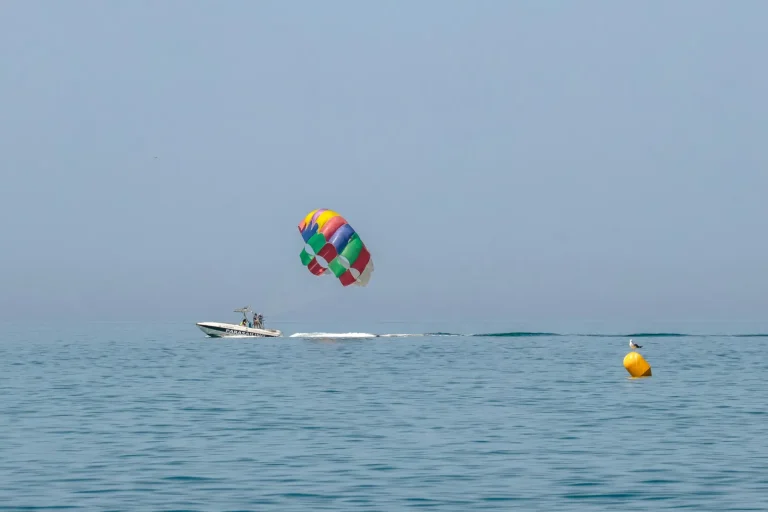
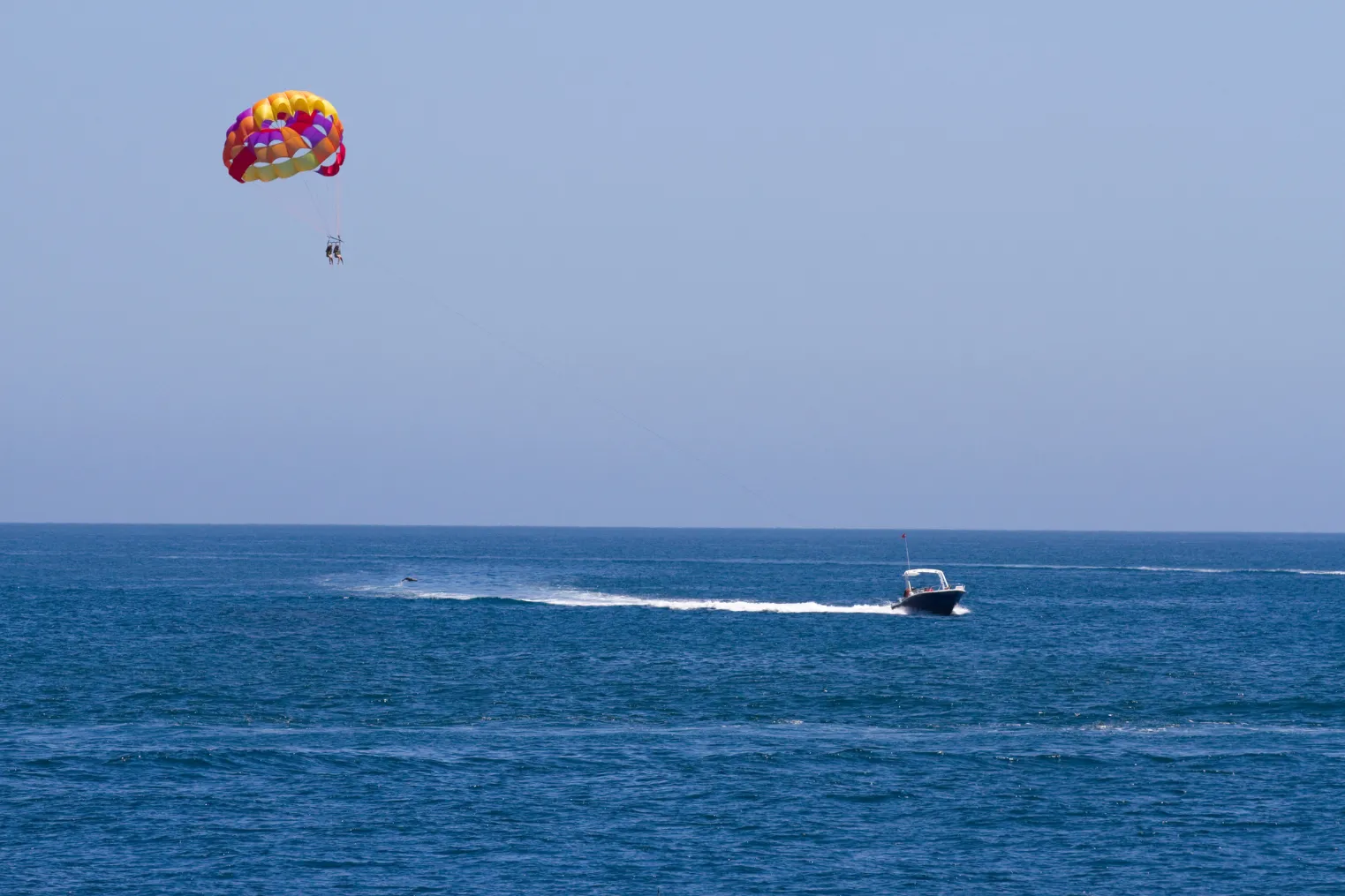
You can float over Waikiki behind a boat with salt spray on your lips, or you can lift off in a helicopter and watch Oahu unfold like a relief map. Parasailing feels light and beachy. Quick thrill, easy photos, no cabin doors. A helicopter tour costs more but trades wind and wobble for comfort and big, cinematic views of cliffs, valleys, and waterfalls. The better pick depends on what you want from the sky, and what makes your stomach drop…
Key Takeaways
- Parasailing delivers playful ocean panoramas near Waikiki in 8–12 minutes of airtime, with possible turtle or dolphin sightings.
- Helicopter tours offer a 45–60 minute full-island sweep of cliffs, valleys, waterfalls, and reefs, with pilot narration via headsets.
- Parasailing is usually the better value and lower cost, while helicopters cost more but provide bigger, more dramatic scenery.
- Parasailing typically takes 1.5–2.5 hours total; helicopter tours require about 2–4 hours including longer check-in and briefing.
- Book early for calmer winds and clearer water on parasails; choose golden-hour or early flights for softer light and less haze in helicopters.
Parasailing vs Helicopter Tour Oahu: Quick Pick
If you’re trying to decide fast, start with the view you want: parasailing gives you a breezy, ocean-sparkle panorama from a towline behind a boat, while a helicopter tour delivers a full-island sweep with cliffs, valleys, and hidden waterfalls in one polished loop. On Waikiki outings you can often soar up to the standard parasailing heights offered there, giving you a lofty-but-comfortable vantage of the shoreline and city.
Parasailing feels playful and salty; you’ll hear the boat’s wake and scan for Ocean wildlife like turtles or spinner dolphins between dips. Expect a short flight, usually 8–12 minutes, with a harness that sits like a snug seat belt.
Helicopters feel cinematic. You’ll wear a headset so the pilot’s narration cuts through rotor thrum, and you’ll get a Shoreline zoom over reefs, surf breaks, and ridgelines.
Both book up at sunset. Bring sunglasses, and keep your phone tethered. Bring a layer.
Parasailing vs Helicopter Tour Oahu: How to Choose
Start with your budget and what feels like real value to you, because parasailing usually costs less while a helicopter tour charges more for that wow-from-every-angle view. If you’re weighing other high-adrenaline options, compare this choice to Oahu’s parasailing, paragliding, jet skiing mix, where each ride delivers a different blend of speed, height, and ocean time.
Next, check time and logistics: parasailing can fit into a beach morning with a quick boat ride, but helicopters often mean a set check-in time, safety briefing, and a drive to the helipad (the takeoff pad).
Finally, think about views and comfort, salty wind and a swing in the harness versus a snug seat behind glass, then pick the one you’ll actually enjoy for the full ride.
Budget And Value
While both adventures can feel like a “once-in-a-lifetime” splurge, your budget will steer you fast toward parasailing or a helicopter tour on Oahu. Parasailing usually lands in the “treat yourself” range, while a helicopter flight can jump to true luxury. Do a quick Cost comparison, then ask what you’ll remember most when the salt dries and the rotor wash fades. Cheapest parasailing in Waikiki often looks tempting, but rock-bottom prices usually mean you’re trading shorter airtime, more crowded boats, and fewer included extras for the discount.
- If you want maximum views per dollar, pick parasailing; you’ll still get that wide, postcard sweep of turquoise water.
- If your Value perception hinges on drama, the helicopter wins: cliff faces, valleys, and that movie-set scale.
- If you’re price-sensitive, look for bundle deals, but skip add-ons you won’t replay.
Either way, tip your crew, and budget for photos you’ll actually keep.
Time And Logistics
Because Oahu looks close-up on a map but rarely feels that way in traffic, time and logistics can make your decision for you. Parasailing usually runs from beach marinas, so you can stack it with Waikiki errands and keep transit time short. Helicopter tours often start at airports, and check-in comes early for safety briefings and weight checks. For parasailing, understanding the specific steps in the Waikiki parasailing dock check-in can help you estimate how early you need to arrive and how long you’ll be at the marina.
| Factor | What you’ll juggle |
|---|---|
| Check-in | 30–60 min vs 60–90 min |
| pickup logistics | Some boats meet you; many heli tours don’t |
| Total block | 1.5–2.5 hrs vs 2.5–4 hrs |
| Weather buffers | Swells vs low clouds |
If you’re on a tight schedule, choose the option closest to where you’re staying and book the first slot. Confirm exact meeting point before leaving. Leave extra minutes for sunscreen, snacks, and questions.
Still comparing Parasailing Vs Helicopter?
Ask for tour ideas, hotel suggestions, or a simple trip plan that combines both.
Trip Helper
Views And Comfort
A helicopter tour feels more like a moving lookout. You get steadier framing of ridges, valleys, and waterfalls, plus better comfort if you’re sensitive to motion.
- Parasail: harnessed seat, legs dangling, minimal Seating ergonomics.
- Helicopter: padded seat, headset, climate control, clearer photos.
- Choose: want ocean calm vs mountain sweep, and how much wobble you’ll tolerate.
If you’re tall, ask about legroom, and sit near the window. If you’re new to both, remember that beginner parasailing in Honolulu generally stays close to shore and at moderate heights, which can feel less intimidating than a longer, higher-altitude helicopter flight.
What Do You See Parasailing on Oahu?
Ever wonder what Oahu looks like when you’re floating high above the water with nothing but a harness and a breeze between you and the horizon?
From the towline, you’ll scan Beach panoramas that stretch from hotel strips to quiet coves, with roads and palms looking like a model set. Look straight down and the ocean turns glassy, then ink-blue.
On clear days you can spot Coral reefs as pale patches and darker channels where the depth drops.
Keep your eyes moving for Marine life: sea turtles cruising, rays sliding, maybe dolphins if you’re lucky.
You might even see Coastal wildlife onshore, like seabirds skimming the surf.
From this same lofty vantage, big boat parasailing near Waikiki lets you take in Diamond Head, the Honolulu skyline, and the curve of the south shore all in a single sweeping view.
Pro tip: wear polarized sunglasses to cut glare, and stash your phone in a pouch before takeoff.
What Do You See on an Oahu Helicopter Tour?
Rotor wash thumps the air as you lift off, and Oahu snaps into a postcard that keeps changing. You’ll trace the south shore, spotting Coastal landmarks like Diamond Head and Hanauma Bay, then slide inland where ridgelines crease like green corduroy. From this angle above Waikiki, you can see how Diamond Head and coral reefs frame the shoreline in a way you’d never notice from the sand. The pilot banks smoothly, and you get that map-like view you can’t fake from a lookout.
Rotor wash thumps as Oahu turns postcard-bright, Diamond Head to Hanauma Bay, then ridgelines folding green beneath a smooth bank.
From your seat, watch for:
- Waterfalls in the Koʻolau Range, thin ribbons after rain.
- Sea cliffs and hidden beaches on the North Shore, with surf lines marching in.
- Aerial wildlife, turtles near reef flats, dolphins offshore, and seabirds riding the updrafts.
If you’re prone to glare, pack sunglasses for the morning sun. Bring a light jacket; the cabin runs cool. Ask for window seats early.
Which Is Scarier: Parasailing or Helicopter Tour?
Once you’ve seen Oahu laid out like a living map from a helicopter window, the next question is how much thrill you actually want.
“Scarier” depends on what gets under your skin: height, motion, noise, or the feeling of being strapped to something you can’t control. In a chopper, you hear the rotors, feel quick tilts, and sit in a tight cabin. If Altitude anxiety hits when you can’t step away, that hum can snowball.
Parasailing feels slower, almost dreamy, until the boat accelerates and Wind noise fills your ears. You hang in open air, legs dangling, with nothing but a harness between you and the ocean. A lot of people are surprised that once they’re up, parasailing feels more like floating quietly above the water than riding a high-speed thrill ride. Pick the fear you can manage: enclosed and loud, or open and breezy on a clear morning.
What Are the Weight, Age, and Health Limits?
So what do the fine print and the staff at the dock or helipad actually care about? Mostly whether you fit the harness or seat, and whether you can follow instructions without strain.
On Oahu, operators set weight limits to balance the load; expect a min and max, plus a combined cap for tandem or triple rides. For parasailing in Waikiki, tour companies enforce specific minimum and maximum weight limits to keep both passengers and crew safe. Age limits vary too: kids often need a parent signature, and some tours cap seniors.
- Bring a photo ID, and ask about exact cutoff ages.
- Mention health restrictions like heart issues, pregnancy, or recent surgery.
- If you’re borderline, request medical exemptions in writing, or choose the other tour.
Call ahead; rules shift with gear and weather.
Wear snug shoes; loose sandals can get vetoed.
How Safe Is Parasailing on Oahu?
You can feel calm out on Oahu’s blue water, but you’ll still want to know who’s watching the operators and what safety rules they follow. Before you clip in, ask how they read weather and ocean conditions, because wind shifts and choppy swells can turn a smooth ride bumpy fast. Then get practical: look for a quick equipment check on the harness and tow line, and confirm the crew’s training, so you’re trusting more than a sunny smile. You’ll also want to ask how often their gear and boats undergo safety inspections, and who enforces the parasailing rules they follow out on the water.
Safety Regulations And Oversight
Although parasailing on Oahu looks like pure, breeze-in-your-face fun, it’s also an activity with real rules behind the scenes, and those rules matter when you’re 800 feet up with Waikiki glittering below.
You’ll want an operator that treats safety like a checklist, not a vibe. Understanding your parasailing waiver in Hawaii is part of that safety picture, because it explains what risks you’re accepting and how the operator is required to manage them.
Before you book, look for:
- Proof of licensing and insurance, shown willingly at the desk.
- Documented Regulatory inspections of the boat, winch, and harness (the straps that hold you).
- Clear Oversight agencies listed in the waiver and on the vessel, plus a captain who explains emergency steps in plain English.
If they dodge questions, rush the briefing, or your gear looks sun-cracked, walk.
Another boat’s always leaving.
You’re paying for peace of mind, not just views.
Weather And Ocean Conditions
When the tradewinds kick up and the swells start stacking beyond the reef, parasailing can shift from dreamy to dicey fast. You’ll feel it on the boat first: spray in your face, a quicker bounce, lines humming under tension.
Seasonal variability matters on Oahu, so don’t assume tomorrow matches today. Winter often brings bigger north shore surf, while summer can still deliver sudden squalls. Ask what direction the wind is blowing and how steady it’s been; gusts are abrupt spikes that can jolt your ride. If conditions are marginal, operators may call it and cancel tours entirely, so understanding how parasailing in windy Waikiki works can help you anticipate last‑minute changes.
Watch the water, too. Wave impacts aren’t just about height. Short, choppy seas can slam the boat and make takeoffs and landings rough. If the horizon looks white and busy, consider rescheduling. You’ll thank yourself when the sky clears.
Equipment Checks And Crew Training
Scan the setup before anyone clips in. You’re not being paranoid; you’re being smart. Look for clean, untwisted lines, a snug harness, and a tow rope that isn’t fuzzy or sun-bleached. Ask when the operator logs equipment inspections, and whether they swap parts on a schedule, not after something fails. You can also ask how they choose their parasailing operators in Waikiki, including what safety standards and inspection routines they follow.
Before you launch, check three things:
- The captain explains the winch, the powered reel that pulls you in
- The crew shows crew certification and points out who’s in charge
- A quick test pull tightens the system and you feel steady, not jerked
You should watch how they brief hand signals and landing posture, since wind noise can swallow shouting. If answers get vague, you can walk away. Oahu’s views will wait.
How Safe Are Oahu Helicopter Tours?
Even if you’re a confident flyer, it’s smart to ask how safe Oahu helicopter tours really are before you buckle into that snug headset and watch the coastline drop away. Good operators cover airspace regulations (rules that keep aircraft apart) and drill emergency procedures, not a rushed script. Do your part too: book daylight, scan fresh reviews, and ask how they handle fast-changing weather. You want calm voices over the rotor beat. If you feel brushed off, walk. Just as the U.S. Coast Guard’s Boating Safety Division focuses on improving knowledge and skills to reduce accidents on the water, you should look for tour companies that emphasize training and clear safety practices in the air.
| What you check | Why | Ask |
|---|---|---|
| Pilot time | Handles island winds | “How many hours here?” |
| Preflight walk | Spots issues | “Can I watch?” |
| Briefing | Signals, exits | “Where’s my vest?” |
| Weather limits | Avoids squalls | “What’s the cutoff?” |
Bring a light jacket; cabins run cool, and headsets block most noise.
Parasailing vs Helicopter Tour Oahu: Price and Value
Safety boxes checked, your next question is simple: what does that view cost, and does it feel worth it once you’re back on the sand?
On Oahu, parasailing usually lands in the “treat yourself” range, while a helicopter tour sits higher, closer to “big splurge.” Do a quick Price comparison, then ask what you’re really buying: ocean breeze and a dangling grin, or cathedral cliffs seen through glass and rotor thrum. With parasailing, you’re typically paying for boat transport, harness and safety gear, and flight time, while extras like photo and video packages or higher flight tiers can nudge the final price up.
- If you’re budget-minded, pick parasailing and save for poke and sunset drinks.
- If you crave maximum terrain in one hit, helicopters can win on Value perception.
- If you hate add-ons, read fees for photos, doors-off upgrades, and tips.
Choose the ride that matches your travel style, not your feed today.
How Long Does Parasailing on Oahu Take?
Plan on carving out a solid chunk of your morning, because parasailing on Oahu isn’t just the few minutes you’re up in the air. Most operators ask you to check in 30–45 minutes early for waivers, a quick safety talk, and gear fitting. Then you’ll ride the boat out, feel the salt spray, and wait your turn as others fly. If you’re staying in Waikiki, many companies also include convenient hotel pickup and return transportation as part of the experience, which adds a bit of time but makes logistics easier.
Your actual flight usually runs 8–12 minutes, but duration variations happen with wind, boat traffic, and how many people booked your time slot. The launch procedure is simple: you sit in a harness, the crew clips you in, and the tow line lifts you smoothly off the deck.
Budget 1.5 to 2 hours total, longer on busy days. Bring water, and don’t plan errands.
How Long Is an Oahu Helicopter Tour?
After spending a couple hours on the water for parasailing, a helicopter tour can feel almost too efficient.
Most Oahu flights run 45 to 60 minutes in the air, though you’ll spend closer to two hours total once you check in, watch a safety briefing, and load up.
Ask about Flight duration before you book, since “doors-on” photo flights can be shorter.
To judge timing, focus on:
- Route length: quick south-shore loops vs island-wide Scenic routes.
- Departures: early slots often dodge haze and feel smoother.
- Extras: hotel pickup and video packages add minutes, not miles.
You’ll step out windblown, a little wide-eyed, and still back in time for lunch.
If you get queasy, sit up front and watch the horizon steady.
Many tours depart near Daniel K. Inouye International Airport, making it easy to pair your flight with arrival or departure plans.
Who Should Book Parasailing on Oahu?
Wondering if parasailing fits your Oahu style? Book it if you want a big ocean view without a big hike. You’ll launch from a boat, feel the line tighten, then float above turquoise water with the trade winds in your ears. It’s ideal for Beach couples who want a shared thrill and a photo you’ll actually frame. For first-timers, parasailing in Waikiki follows a similar flow: a short boat ride out, a quick gear check, then a smooth winch-assisted takeoff so you’re gently lifted into the air.
Choose parasailing if you like guided adventure but don’t want to swim hard. Most operators start with Safety training, meaning a quick briefing on takeoff, landing, and hand signals. Ask about wind limits and how they handle nervous flyers. Go in the morning for calmer seas. Skip it if you get motion sick on boats or hate being clipped into a harness, still worth it for views.
Who Should Book an Oahu Helicopter Tour?
If you’re chasing postcard-level shots, an Oahu helicopter tour puts you above emerald ridges and knife-edge cliffs with clean sightlines for your camera. Unlike parasailing’s lower, oceanfront vantage, a helicopter lets you look down on Waikiki and the coastline from the same dramatic angles you’d expect from unforgettable parasailing views.
Got a tight schedule? You’ll cover big scenery fast, trading beach time for a quick, high-impact loop you can still feel in your chest when the rotors thrum.
And if you want adventure without the wet, windy exposure, you’ll get the wow factor from a padded seat, a headset, and a smooth ride that keeps you comfortable.
Scenic Photography Seekers
For photographers chasing Oahu’s best angles, an Oahu helicopter tour lets you zoom past the traffic and line up shots that simply don’t exist from the road. You’ll hover above knife-edge ridges, lush valleys, and reef patterns that look like watercolor from 1,000 feet. If you’re hoping to capture Diamond Head from above, keep in mind that parasailing photos frame it from offshore while helicopters can orbit for multiple angles and tighter compositions.
Book a flight near golden hour for softer light and longer shadows, and bring telephoto lenses to compress cliffs and pick out waterfalls.
- Sit by the door for fewer reflections and a cleaner frame.
- Wear dark clothing to cut window glare; it’s a real issue.
- Shoot fast: 1/1000 sec or higher to freeze vibration.
Use burst mode, and steady your elbows against your vest straps. You’ll land with a full card and that rare feeling you truly saw the island.
Time-Strapped Sightseers
While you can circle Oahu by car in a day, you’ll spend half that time staring at taillights and hunting for parking. If your schedule’s tight, a helicopter tour turns the island into a highlight reel. In under an hour, you’ll skim over Diamond Head’s rim, slide along the Koʻolau cliffs, and spot waterfalls you’d never reach between meetings and dinner reservations.
Treat it like travel triage. Book an early slot to beat haze, then plan Quick stops for food and beaches afterward. Many operators offer Mini itineraries, shorter routes that still hit the North Shore and Waikīkī skyline. Bring a light jacket, keep your phone on airplane mode, and listen for landmarks as the headset crackles. Fast, vivid, done before you rush onward.
Adventure With Comfort
Even though a helicopter looks like pure adrenaline, a well-run Oahu flight feels more like a front-row seat with a seat belt.
You’ll get comfort thrills: cool cabin air, a headset that cuts wind noise, and big windows framing Waikiki, ridges, and reefs.
If you want relaxed adrenaline without getting soaked or harnessed to a line, this is your lane.
Book a helicopter tour if you:
- Prefer steady seats over swinging harnesses, and still want wow.
- Travel with kids, older parents, or anyone who needs easy boarding and clear safety briefings.
- Crave photo time, not speed time, and you’ll pay extra for doors-off only if you truly love the rush. Choose an early slot for smoother air and light on cliffs.
Best Time of Day for Parasailing vs Helicopters on Oahu
Chasing the best light and the calmest air can make your Oahu flight feel either silky-smooth or a little bouncy. For parasailing, book early morning when trade winds usually stay lighter and the ocean looks glassy. You’ll launch faster, ride steadier, and spot reef patterns before the day gets hazy. Midday can work, but expect more chop and more sun on your shoulders.
For helicopters, you’re chasing views, not waves. Late morning often brings clearer valleys after brief showers, while the golden hour near sunset paints cliffs and beaches in warm color and long shadows. Ask about doors-off rides. They’re windier, but your photos stay sharp. If clouds build, choose earlier. You’ll beat crowds and won’t waste your best beach hours standing in line.
Frequently Asked Questions
What Should You Wear and Bring for Parasailing or a Helicopter Tour?
Wear light clothing, a snug swimsuit or shorts, and reef-safe sunscreen for parasailing; bring a waterproof bag for phone and ID. For helicopter tours, you’ll wear closed-toe shoes, sunglasses, and pack motion-sickness meds if needed.
Can You Take Photos or Video During Parasailing and in Helicopters?
You can shoot photos and video while parasailing and in helicopters, but you’ll want secure straps or hands free mounts. Ask operators first about rules, and respect privacy considerations, don’t film strangers or cockpits without permission.
Are Parasailing and Helicopter Tours Refundable if Weather Cancels Plans?
You’ll usually get a refund or free rebooking if weather cancels, but it depends on each operator’s refund policies. Many issue weather credits instead of cash, especially for same-day cancellations, so you should confirm terms.
Do You Need Reservations Far in Advance for Either Experience on Oahu?
You should reserve both, but you’ll need advance booking sooner for helicopter tours. In peak seasons, book weeks ahead; off-season, a few days may work. Parasailing often has more slots, yet weekends fill up fast.
Which Oahu Locations Offer the Best Parasailing and Helicopter Tour Departures?
You’ll find top parasailing departures in Waikiki and at Ko Olina’s marina, with calmer water options. For helicopter tours, you’ll typically depart from Honolulu International or Turtle Bay near the North Shore for coastal routes.
Conclusion
Pick parasailing if you want a breezy, beach-based buzz. You’ll lift off fast, feel the salty spray, and spot reefs and Diamond Head without spending all day. Choose a helicopter if you crave big-sky drama and a full-island sweep, waterfalls, cliffs, and deep valleys, with steady seats and pilot talk. Book early, wind and weather rule both. Pack a light layer. Prioritize your comfort, then chase your best view.