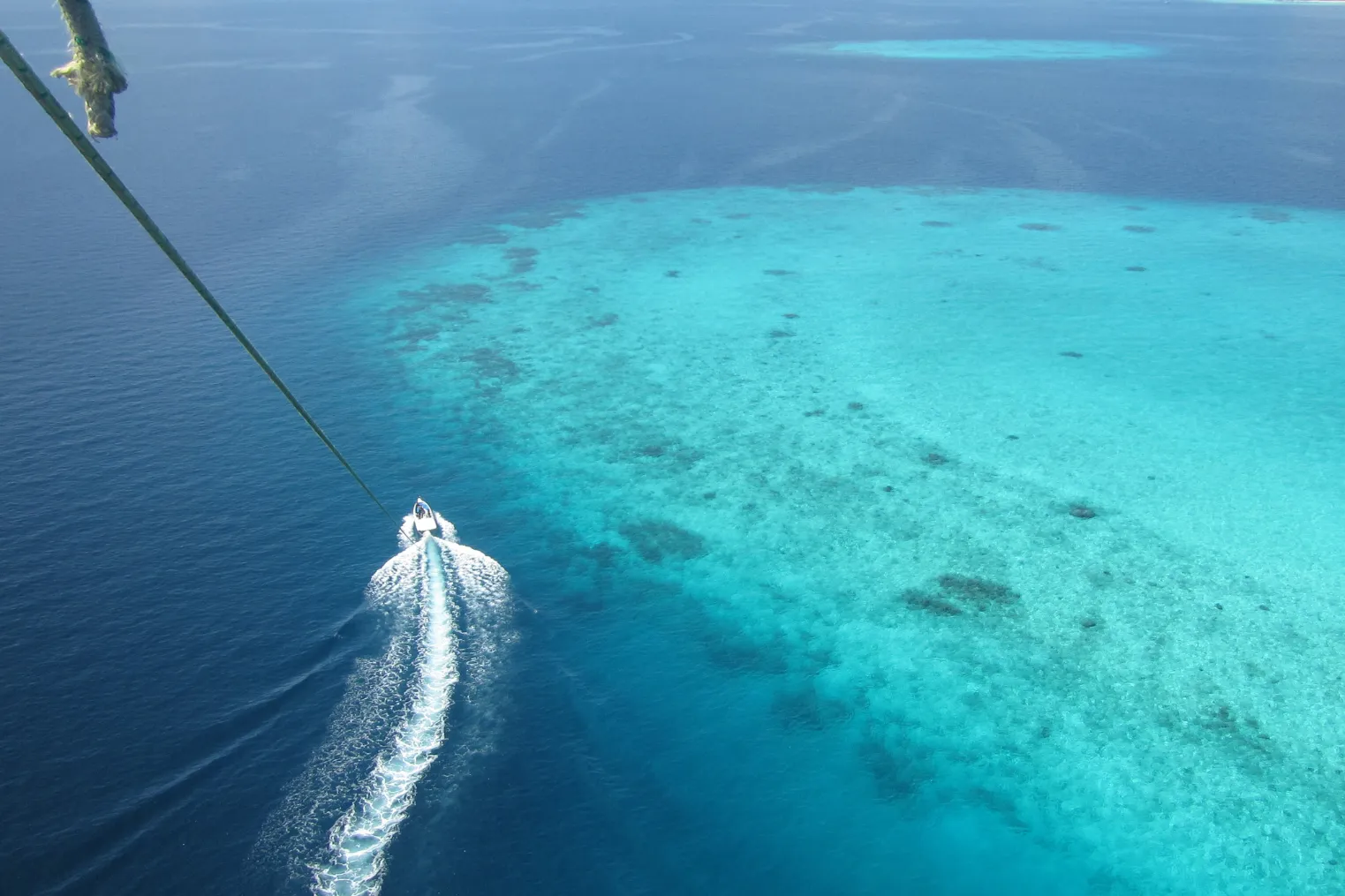
You can’t talk Waikiki parasailing without talking wind, because you’ll wake up to blue skies and still get a 7:30 a.m. text saying the captain scrubbed the run. Operators watch NOAA updates, harbor notices, and real chop, and many pull the plug around 20 to 25 mph sustained winds or punchy gusts that make the towline twitch. Book an early slot, pack sunscreen and a light layer, skip bulky bags, and keep a Plan B, maybe a Viator tour with free cancellation and reserve now pay later, but here’s the catch you won’t see on the brochure…
Key Takeaways
- Waikiki parasailing often cancels when sustained winds exceed 20–25 mph, stressing towlines, winches, and canopy seams.
- Sudden gust spikes or gusts about 8 knots above average can trigger shutdowns because they swing the chute and strain lines.
- Small‑Craft Advisories, sustained 20–25 knots, 30‑knot gusts, or seas over 8 feet commonly coincide with cancellations.
- Captains use calibrated anemometers and NOAA/NWS Honolulu marine forecasts, focusing on Kewalo Basin conditions and the next two hours.
- Whitecaps, squalls, poor visibility, rough chop, or unsafe deck/towline dynamics can cause last‑minute delays, reschedules, or cancellations.
Wind Limits That Cancel Waikiki Parasailing
When the trade winds kick up and whitecaps start stitching the Waikiki shoreline, operators don’t “power through” a parasail run, they shut it down.
You’ll see cancellations once sustained winds push past 20 to 25 mph, or gusts rise higher, because equipment limits on towlines, winches, and canopy seams leave little wiggle room.
Waikiki parasailing wind guidelines also account for how sudden gusts can swing the chute, strain the towline, and complicate safe landings back on the boat.
Safety protocols also factor in rider weight ranges, boat spacing, and how quickly the crew can reel you back.
Plan for early mornings when air tends to be calmer, and keep your schedule loose.
Tours run $120 to $180, and slots fill fast.
Bring a light jacket and dry bag, skip loose hats.
Viator listings with verified reviews, hotel pickup, free cancellation, and reserve now pay later make timing easier today.
When Captains Call It Off (Real-World Triggers)
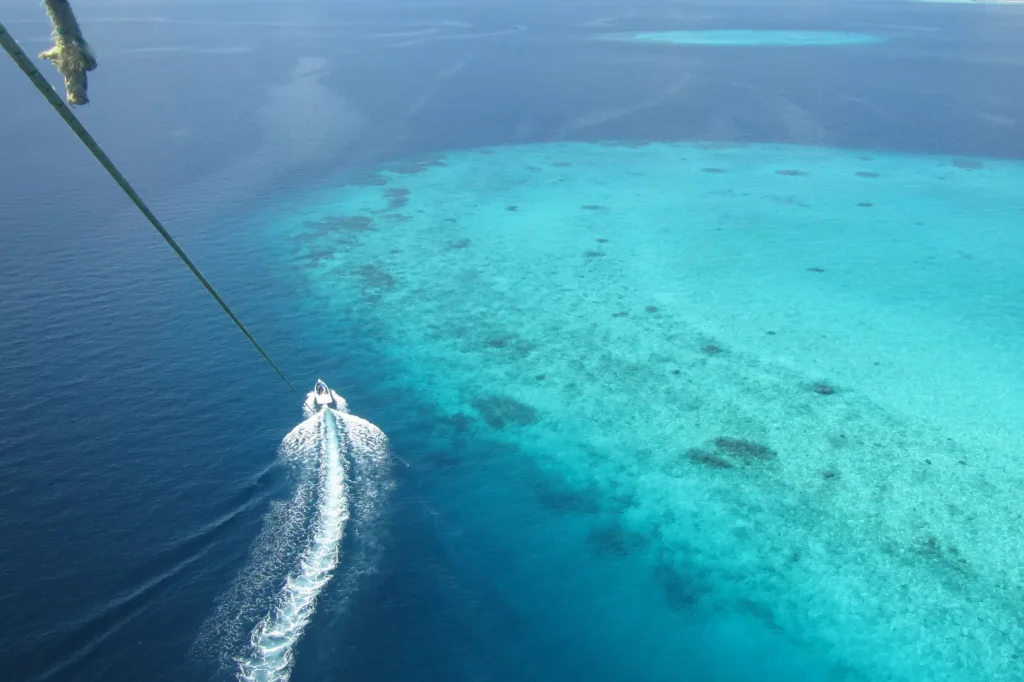
On the dock in Waikiki, you’ll hear the captain call it off fast when wind speed jumps, gusts slap the water, or a rolling swell starts to shove the boat around. If you’re nervous about whether parasailing in Waikiki feels scary, knowing that captains cancel quickly in marginal conditions is what keeps the experience controlled and surprisingly calm. If the horizon turns hazy, rain cuts visibility, or the gear check flags a tired towline or finicky winch, you’re not going up, so bring a light shell, skip loose hats, and don’t count on a sunset slot when crowds stack up.
To keep your schedule and money flexible, book a Viator tour with verified reviews and free cancellation, and use reserve now pay later so you can shift to a calmer morning without eating the cost.
Wind Speed And Gusts
Although Waikiki can look postcard-calm from the sand, captains track wind speed and gusts like hawks because a sudden spike can turn a smooth tow into a jerky ride fast. On board, they compare steady wind to peak gusts. If gusts jump 8 knots over average, or stay above their limit, you’ll get the calm cancel call. They trust readings only after anemometer calibration, and they know the beach sits in the boundary layer where thermal gusting ramps up late morning. High-rises add urban roughness, so winds can differ across the shoreline. In addition to wind, captains also watch for parasailing weather cancellations caused by fast-moving rain squalls that can force last‑minute delays or reschedules. Book the first runs, bring water and a light layer, skip floppy hats. Viator options with verified reviews, free cancellation, and reserve now pay later make rescheduling painless, and check your texts.
Swell, Visibility, And Gear
Wind can look manageable and still produce a no-go once the ocean and the air start misbehaving together.
If there’s a long-period south swell, swell interaction with chop can slap the boat and yank the towline, so captains won’t launch you.
Short, steep sets make deck work risky, and spray stings.
Then comes visibility degradation.
Rain curtains or sea mist can hide other boats and your canopy.
If the winch, harness, or line shows fray or sticky reels, they’ll cancel fast.
Under Coast Guard safety rules, operators must factor these conditions into go/no-go decisions to keep parasailers and other vessels safe.
Go early, around 9 a.m., when seas often settle.
Expect $110 to $160.
Weekends fill up, so keep a backup plan.
Bring a light rain shell, skip loose hats.
Viator bookings can add hotel pickup and free cancellation, plus reserve now pay later.
Still comparing Oahu Parasailing?
Ask for tour ideas, hotel suggestions, or a simple trip plan that combines both.
Trip Helper
Why Gusts and Wind Shear Are Deal-Breakers
When Waikiki’s trade winds start pulsing in sharp bursts, parasailing stops being a breezy postcard moment and turns into a safety call you can’t argue with. Those gusts can spike fast, swinging you off line and yanking the canopy before the crew can smooth it out. If a gust front rolls through, direction changes too, so your launch window shrinks to minutes. Wind shear is sneakier. In shear layers, the breeze at deck level can feel fine while higher air hits harder or from another angle, making you climb or drop without warning. Local crews watch parasailing safety conditions closely and will shut down operations if wind or wave patterns move outside safe limits. Operators will cancel early, often by 7 a.m., saving you a $180 to $220 slot and a crowded dock wait. Bring a light jacket, skip loose hats. Viator can help reschedule.
How Ocean Chop Affects the Boat and Towline
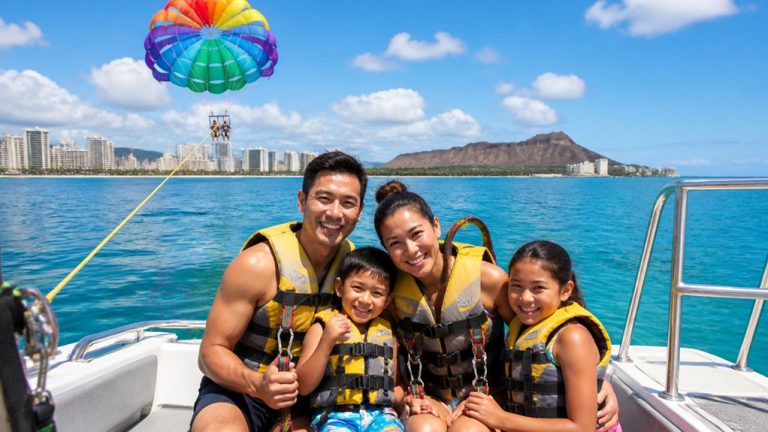
Out on the water, a choppy swell turns the parasail boat into a bouncing platform, and that motion runs straight into the towline. You sense the boat bounce as the captain throttles up, then eases off, trying to keep canopy steady. While you wait your turn, you’ll notice the boat seating and spray set the whole mood, some riders in the splash zone laughing through the spray, others perched drier toward the bow, all sharing the same nervous, excited energy as the parasail cycles up and down. Each rise and drop can create tow shock, a snap that tugs your harness and makes takeoff and landing feel rushed. If the deck’s wet and crowded, keep your grip on the rail, stash phones in a dry bag.
Bring reef-safe sunscreen and a windbreaker, skip hats. Expect waiting while crews time the lulls, even on $90 to $140 rides.
Booking a Viator tour with reviews, hotel pickup, free cancellation, and reserve now pay later helps you pivot if the chop won’t settle.
Small-Craft Advisories: When Tours Shut Down
When the forecast flips to a Small-Craft Advisory, you’ve hit the tripwire where operators often pause tours, usually when winds and seas cross their set thresholds, so check NOAA early, then again around 7 to 9 a.m. before you head out. If the harbor posts a closure or the crew calls a stand-down, you’ll likely save your cash and your morning, pack a light rain jacket and reef-safe sunscreen, and skip hauling extra gear you won’t use onshore. To keep your timing flexible, book a Viator tour with verified reviews, free cancellation, hotel pickup, and reserve now pay later, then watch the crowd thin as standby spots vanish fast on breezy afternoons. You can also confirm conditions and timing straight from NOAA’s Coastal waters forecasts for Honolulu, which break the marine forecast into easy-to-scan zones with text descriptions.
Advisory Thresholds And Triggers
Because Waikiki looks calm even on a breezy morning, it’s easy to underestimate how fast parasailing can tip from dreamy to dicey once a Small Craft Advisory goes up. Operators track the National Weather Service for sustained winds near 20 to 25 knots, gusts around 30, and seas topping 8 feet. When that combo shows up, you’ll often get a cancellation text by 7 a.m. Parasailing crews often rely on NWS Honolulu forecasts and marine advisories to decide when conditions are no longer safe to operate. Even with pilot training and equipment maintenance, crews won’t launch into rising chop or fast squalls. Keep a two day buffer, and budget $120 to $180 plus tip. Bring sunscreen, a light jacket, and cash for lockers. Skip floppy hats and bulky cameras. A Viator booking with verified reviews and free cancellation, reserve now pay later, makes rescheduling easy.
Harbor Closures And Stand-Downs
Small Craft Advisory alerts don’t just make the ride bumpy, they can shut the whole operation down at the harbor gate. You might arrive at Kewalo Basin at 8 a.m., smell sunscreen and diesel, then hear the captain call harbor closures or stand downs. Staff will rebook you fast, but you’ll still lose parking fees and a morning slot. Before you even get on the boat, the crew will walk you through a quick dock check-in guide so you know what to expect if conditions change last-minute.
| On the dock | In your plan |
|---|---|
| Red flags snapping | Expect no departures |
| Whitecaps in the channel | Bring a light jacket, skip hats |
| Radios buzzing, crew waiting | Ask for a noon check-in |
If you booked a Viator tour, verified reviews usually note this drill, and free cancellation plus reserve now pay later helps. Keep cash for a smoothie and patience for crowds by the shaded seawall.
Will Waikiki Parasailing Cancel Today? How to Check
Even with blue skies over Waikiki, parasailing can still get called off if the wind gusts, the swells stack up outside the reef, or the captain can’t keep a safe tow line. Don’t guess from your balcony view. Check your booking email for weather updates, then call or text your operator contacts by 7:00 to 8:00 a.m. Most crews decide after looking at Kewalo Basin conditions and the forecast for the next two hours. When you book, double-check the operator’s wind and safety policy so you know exactly when and why they might cancel a tour. If you’re booking last minute, look at a Viator tour with verified reviews and clear timing, plus reserve now pay later and free cancellation. Aim for the earliest slot to beat afternoon winds and crowds. Bring a light jacket, sunglasses strap, and cash for photos. Skip bulky bags and hats.
Weather-Canceled Tours: Refunds, Credits, Rebooking
When the captain waves you back to the dock for wind or swell, ask right then whether you’re getting a full refund, a credit, or the next open slot. Many companies that consistently earn the best visitor reviews are also the ones that handle weather cancellations most clearly and fairly.
Most Waikiki operators won’t charge you for weather, but their refund policy varies if you cancel yourself or arrive late. Confirm how the refund lands, card reversal can take 3 to 7 days. If you’re on a budget, request confirmation by email before you leave the busy pier.
Credits can be handy if you’re staying longer. Ask about credit options, expiration dates, and whether they transfer to a friend.
If you booked through Viator, check the listing’s free cancellation window and verified reviews, and use reserve now pay later so you don’t tie up cash.
Best Time Slots and Backup Plans in Waikiki
Usually, the calmest, clearest parasailing runs in Waikiki happen in the first boats out, around 8 to 10 a.m., before the trade winds build and the harbor turns into a busy mix of snorkel boats and catamarans. This early window is also considered the perfect time to parasail over Waikiki’s beaches because the lighter morning winds and softer light make for smoother rides and better views.
Book those morning windows, and show up 30 minutes early with water, sunscreen, and a light jacket for the spray.
- If winds rise, ask to shift to late afternoon only if the captain says conditions settle, it’s rarer.
- Keep two backup operators’ numbers, and confirm cutoffs, weights, and fees for same day rebooks.
- Plan shore based activities nearby: surf lessons, Duke’s statue photos, or a quick Bishop Museum hop.
For timing, Viator tours with verified reviews offer free cancellation, reserve now pay later, and some hotel pickup.
Frequently Asked Questions
What Should I Wear for Parasailing if It’s Breezy but Not Canceled?
Wear a quick-dry swimsuit or shorts with a rash guard, add light layers like a windbreaker, and bring grip gloves for the tow line. You’ll want snug water shoes, sunglasses strap, and minimal jewelry too.
Are There Age, Weight, or Health Restrictions During Windy Conditions?
80% of operators tighten rules in gusts: you’ll face age limits, weight caps (often 450 lbs total), and fewer tandem flights. You can’t fly pregnant, intoxicated, or with heart/back issues; ask directly about health exceptions.
Can I Bring My Phone or Camera, and How Do I Keep It Safe?
You can bring your phone or camera if the crew allows it. Use waterproof pouches and secure devices with tethered mounts to your harness tight. Don’t handhold gear; stow it before takeoff and landing always.
Is Motion Sickness Common, and Should I Take Medication Beforehand?
Motion sickness isn’t common, but you might feel queasy if you’re sensitive. If you’ve had issues on boats, take preventative medication 30–60 minutes before, eat lightly, hydrate, and focus on the horizon to stay comfortable.
Do I Need to Know How to Swim to Parasail in Waikiki?
No, you don’t need to swim, over 90% of Waikiki parasailers report minimal water time. You’ll wear a life vest, get a safety brief, and follow emergency procedures; swimming ability still helps if you splash down.
Conclusion
If Waikiki’s palms are thrashing and the water’s frothing with whitecaps, don’t fight it. You’ll save your money and your nerves when the captain calls off around 20–25 mph winds or a Small Craft Advisory. Text by 7–8 a.m., then pivot to a shaded breakfast or Diamond Head. Pack sunscreen, a light jacket, and a dry bag, skip loose hats. If you booked via Viator, verified reviews plus free cancellation and reserve-now-pay-later make rebooking painless.