Salt spray cools your face as Waikiki slides by and the towline tightens behind the boat. You’ll usually check in near Ala Wai and show up 20 to 30 minutes early for waivers and a quick briefing, then spend 60 to 90 minutes offshore with a small rotation and 8 to 12 minutes in the air. Bring reef safe sunscreen and a phone strap, skip loose hats, and budget extra for photos. Want the calmest wind window?
Key Takeaways
- Arrive 20–30 minutes early at Ala Wai Boat Harbor for waivers, check-in, and a brief safety briefing before boarding.
- Expect a 60–90 minute boat outing; airtime is usually 8–12 minutes, with about 10–15 minutes transit each way.
- Morning flights (8–10 a.m.) are typically calmer; operators may delay or cancel for high winds, whitecaps, squalls, or lightning.
- Weight, age, and medical rules apply; tandem or triple depends on combined weight, and pregnancy or heart/back issues may prevent flying.
- Wear quick-dry clothes and bring reef-safe sunscreen and sunglasses with a strap; photos cost extra and phone/camera rules vary by operator.
What’s a Waikiki Parasailing Tour Like?
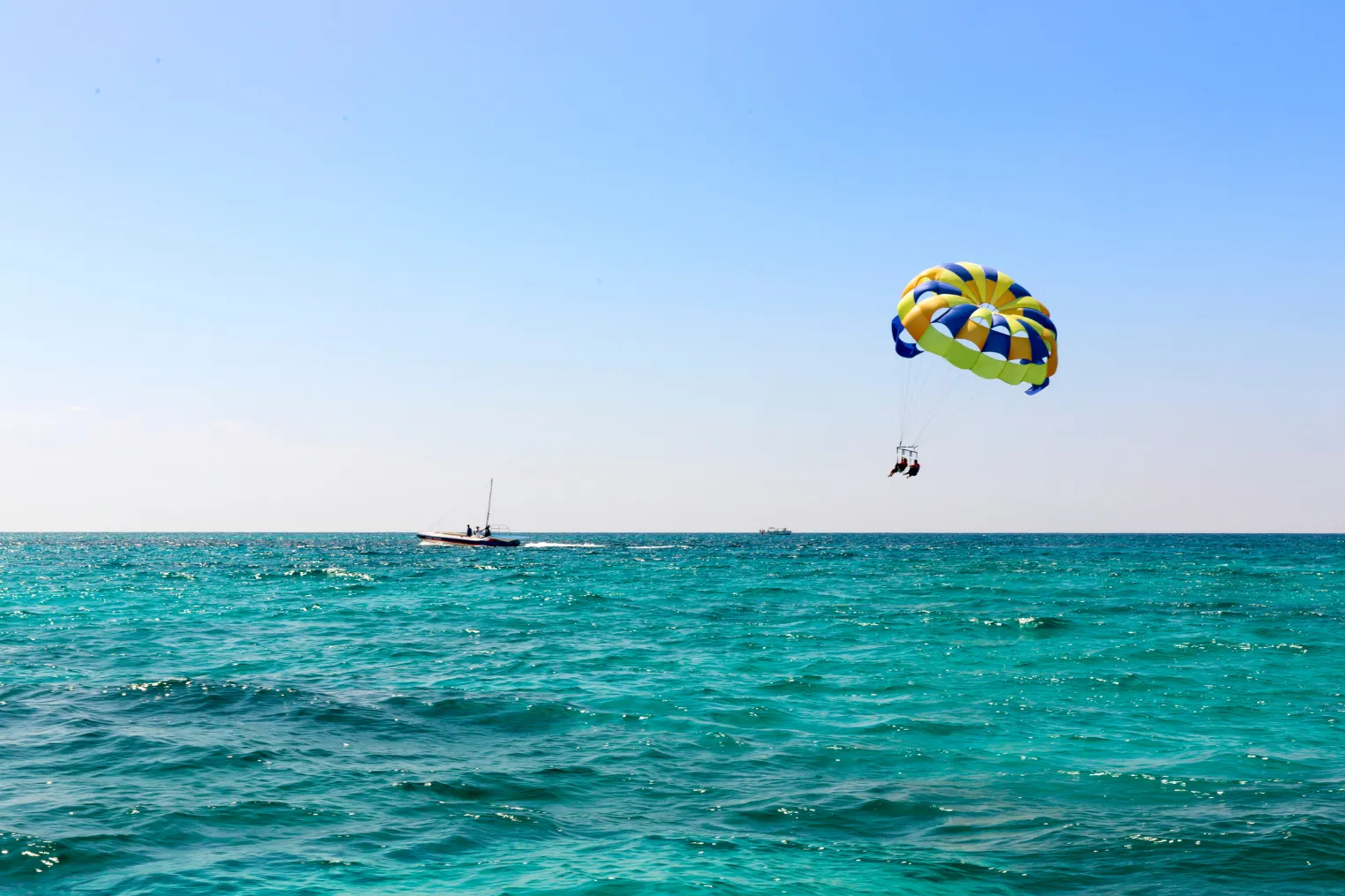
Start with a quick check-in at the harbor near Waikiki, then you’ll hop on a small parasail boat for a breezy ride out past the swim zone.
A quick harbor check-in near Waikiki, then a small parasail boat whisks you past the swim zone for ocean breezes.
The crew fits your harness, gives a pilot preparation briefing, and queues you with other pairs, expect 10 to 20 minutes of waiting on busy mornings.
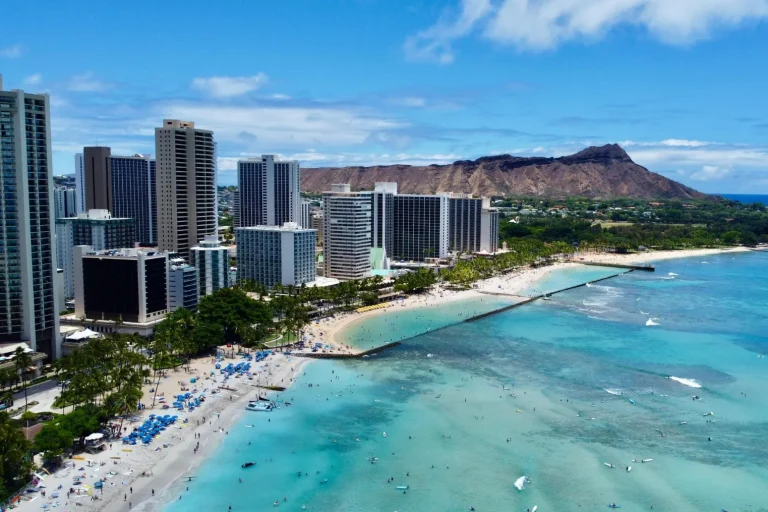
Your towline lifts you smoothly, and you float for about eight minutes with Diamond Head framed in salt haze, perfect for ocean view photography.
On many trips, you’ll take off and land right from the boat using big boat parasailing.
Is Waikiki Parasailing Safe for Beginners?
If you’re a first-timer, Waikiki parasailing is built with beginners in mind, with a quick dockside briefing, snug harness checks, and a crew that watches wind and sea conditions like hawks.
You’ll typically be in the air for about 8 to 12 minutes on a 60 to 90 minute trip, so wear reef-safe sunscreen, bring water and a light jacket, and skip heavy bags and big breakfasts.
Many first-timers find it’s less intimidating once they realize takeoff and landing are gentle, and the ride feels more like floating than falling, helping answer the common worry, is it scary.
Beginner Safety Measures
While Waikiki’s calm morning seas can look almost too inviting, parasailing here still runs on a tight safety routine that makes it beginner-friendly.
You’ll get a quick gear check where staff confirm your harness fit, tighten straps, and clip you to inspected lines.
Before the boat leaves, you practice communication signals like thumbs up, slow down, and stop, so you can speak over wind and spray.
Operators also keep an eye on weather conditions and will delay or cancel if winds or surf make the ride unsafe.
Choose early slots around 8 to 10 a.m. for lighter trade winds and fewer boats in the channel.
Expect $120 to $180, plus photos if you want them.
Bring reef safe sunscreen, water, and a light rash guard; skip loose hats and dangling jewelry.
What To Expect First-Time
Because Waikiki operators run a pretty choreographed routine, your first parasailing flight usually feels more like boarding a well-run tour than doing something extreme. You’ll check in, watch a two minute briefing, then buckle into a harness that fits over your life jacket.
Expect 60 to 90 minutes on the boat, with 8 to 12 riders rotating, so sun and spray add up. Your launch sensations are a quick tug and a smooth lift, not a stomach drop. Flying tandem helps with balance and tandem dynamics, plus it calms nerves. Most Honolulu launches depart from the Ala Wai Boat Harbor and tow you offshore for smoother water conditions.
Bring sunglasses with a strap, reef-safe sunscreen, and a light layer. Skip bulky bags and big breakfasts.
Waikiki Parasailing Weight Limits and Rules?
Before you book a Waikiki parasailing flight, check the weight limits and the on-the-water rules, since they can change your timing and even whether you fly at all. Operators post minimum and maximum combined weights, and they’ll recheck at the dock, because wind and chop change lift. These weight rules can affect whether you fly solo, tandem, or as a triple.
You’ll get a quick safety talk before you step onto the boat.
- Show up 30 minutes early, morning slots feel calmer, midday lines grow.
- Plan $120 to $180 per flyer, plus photos if you want them.
- Pack sunscreen, water, and a light layer, skip bulky backpacks and towels.
- Choose crews that log equipment maintenance and meet licensing requirements.
Leave jewelry behind, listen for hand signals, and expect a wet landing near the stern.
Are There Age or Health Restrictions in Waikiki?
Before you book a Waikiki parasail, check the operator’s minimum age and weight rules, since morning slots can fill fast and you don’t want to get turned away at the dock after paying. Many Waikiki operators have minimum age guidelines for kids, so confirm the exact cutoff for your family before reserving.
If you’ve got asthma, heart issues, recent surgery, pregnancy, or you’re prone to motion sickness, call ahead and pack your meds, water, and reef-safe sunscreen, then skip the heavy breakfast and the dangling jewelry.
For easy logistics, a Viator tour can help you lock in timing with verified reviews, hotel pickup on some options, free cancellation, and reserve now pay later.
Minimum Age And Weight
Wondering who can actually fly when you book a Waikiki parasail? Most operators set a minimum age around 5 to 7, and you’ll need a parent on the boat to sign waivers.
Weight rules matter more than birthdays. Crews balance the ride for smooth lift, so they’ll pair you for safe weight distribution, often aiming for 160 to 450 pounds total, depending on wind. Many Waikiki crews also enforce combined weight limits because safe lift depends on wind speed and how evenly the load is distributed.
Expect a 60 to 90 minute outing, with 8 to 12 minutes in the air, and rates near $90 to $130. Mornings feel calmer and less crowded.
- Wear swimwear, bring a light jacket for spray.
- Skip bulky cameras, use a small wrist strap.
- Ask about child harnesses before you pay.
Medical Conditions To Consider
Age and weight get you on the boat, but your health decides if you should clip in and fly.
If you’ve got heart disease, high blood pressure, or recent surgery, ask your doctor first and tell the crew. They’ll enforce cardiac precautions, because takeoff tugs and salty wind can spike stress. Bring your inhaler if you manage asthma, and skip parasailing if you’re dizzy, feverish, or hungover.
For pregnancy considerations, most Waikiki operators won’t fly you at any stage. If you’re expecting, consider boat ride only options so you can still join the tour without flying.
Back or neck issues can flare when the harness tightens, so be honest.
Arrive 30 minutes early, hydrate, and pack sunglasses and a light jacket.
Tours run about 60 to 90 minutes, from $90 to $160.
Go midmorning for calmer seas and lighter crowds too.
Can You Parasail Tandem in Waikiki?
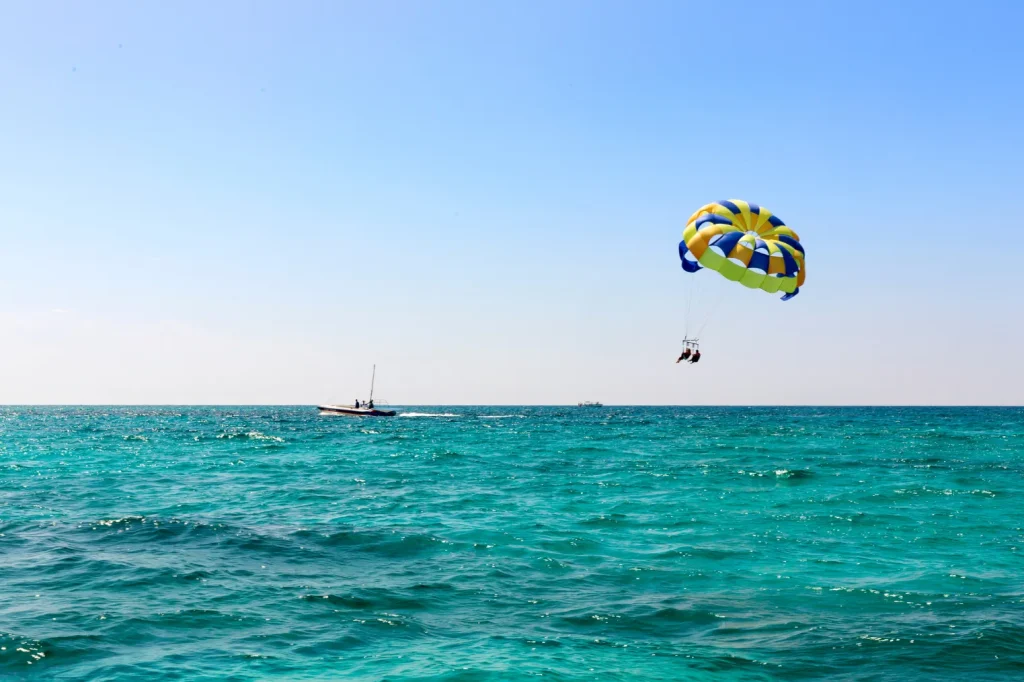
How does tandem parasailing work in Waikiki? You and a partner clip into a shared bar and separate leg straps, then the crew uses Tandem techniques to balance your combined weight for a smooth lift. Harness comfort matters, so ask for a fit check before the boat idles out of the marina. If you have a third flyer, ask about triple parasailing since some Waikiki crews can accommodate three riders depending on combined weight and conditions.
- Arrive 20 minutes early to sign waivers and stash sandals.
- Expect 8 to 12 minutes in the air, total trip about 60 to 90.
- Budget $90 to $140 per person, photos extra, cashless payment is common.
- Bring sunscreen, a light jacket, and a waterproof phone pouch, skip bulky backpacks.
When Does Weather Cancel Waikiki Parasailing?
Because Waikiki winds can flip from breezy to blustery in minutes, operators cancel parasailing when steady trades or squalls make takeoff and landing feel sketchy. You’ll usually get a call 1 to 3 hours before launch after they check wind forecasts, radar, and harbor chop. Winter fronts and summer afternoon gusts are the seasonal patterns that bite most. Expect rebooking or a refund, but ask about fees before you pay, most runs cost $90 to $140. In Windy Waikiki, tours cancel most often when gusts spike fast enough that the crew can’t keep launches and landings smooth and predictable.
| Condition | What you’ll notice | Likely call |
|---|---|---|
| High winds | whitecaps, boat slaps | cancel |
| Lightning rain | dark bands, sharp gusts | delay |
Bring a charged phone and a backup plan onshore, skip tight schedules.
What Should You Wear for Waikiki Parasailing?
If you dress for a quick boat ride and a guaranteed splash, you’ll step onto the dock feeling ready instead of fidgety. Go early for cooler wind and smaller crowds.
Dress for splashy speed, light layers and quick-dry gear, so you feel ready on the dock. Go early for cooler breezes, fewer crowds.
- Lightweight attire like a rash guard and board shorts, skip cotton.
- Water shoes or secure sandals for the deck, then stash them.
- Hat and sunglasses with a strap for the ride out, salt spray’s real.
- Reef safe sunscreen 20 minutes before boarding, plus a small towel and dry clothes.
A simple short packing list helps you cover the essentials without overstuffing your bag.
Leave jewelry at the hotel, and pack a thin windbreaker if you chill fast.
Can You Bring a Phone or Camera on the Flight?
Before you clip in, ask your crew about phone and camera rules since some Waikiki boats let you shoot from the harness while others require everything stowed for takeoff and landing.
If you’re bringing gear, pack a small waterproof pouch or dry bag, use a float strap, and keep it zipped in a secure storage bin on deck, salt spray hits fast and retrieval is basically a no-go.
For extra peace of mind, follow phone safety tips like using a waterproof case and tether so your device doesn’t become an instant donation to the ocean.
Phone And Camera Policies
Bring your phone or camera along, but plan for salt spray, wind, and a few strict safety rules once you’re geared up on the boat.
In Waikiki, operators vary, so ask at check-in before you pay, especially if you’re counting on photos.
Most crews follow a simple camera policy:
- You can shoot from the dock and during the ride out, when the boat’s steady.
- Once you clip into the harness, hands stay free unless the captain says otherwise.
- Some flights allow a small action cam on a wrist strap, others have a phone ban.
- If you want pro shots, expect about $40 to $60, ready to buy after you land.
For the clearest shots, ask the crew about the best spot on the boat before you head out.
Arrive 20 minutes early, skip bulky lenses, and travel light on busy weekend mornings.
Waterproofing And Secure Storage
Phones and cameras feel a lot less carefree once you’re up in the air with salt spray on your face and nowhere to set anything down. If your operator allows devices, bring a fully sealed case or small dry bags that clip to your harness. For parasailing in Waikiki, choose waterproof phone cases designed to handle saltwater spray and keep touchscreens usable between shots. Test the seal at the dock, then keep your screen off until you’re steady, wind can snatch it fast.
If you’d rather relax, skip the risk and use locker rentals at the marina or your hotel, usually $5 to $15 for a few hours. Leave extra lenses, wallets, and keys there, and carry only an ID and a little cash. Go early, lines form by midmorning, and you’ll board faster. Ask crew where splashes hit, and stow accordingly always.
How High Do You Go Parasailing in Waikiki?
Most Waikiki parasailing rides give you three height choices, typically around 500, 800, or 1,000 feet, and the difference feels real once the boat shrinks to a speck. Higher lines cost more, often $10 to $25 extra, and they book first on calm mornings when winds stay steady. Many operators also market these as 600 ft vs 800 ft vs 1,000 ft ride options when you’re choosing the best parasailing height for Waikiki.
- At 500 feet, you’ll spot reefs, swimmers, and catamarans like toys.
- At 800, the city skyline sharpens, Diamond Head frames the coast, and you feel cooler ocean thermals.
- At 1,000, clouds drift closer, and Oahu’s curve looks wide and quiet.
- Bring sunglasses with a strap, skip loose hats, and stash phones in a lanyard case.
How Long Is a Waikiki Parasailing Trip?
Figure on setting aside about 1 to 1.5 hours for a Waikiki parasailing trip, even though you’ll only hang in the air for roughly 8 to 12 minutes. Arrive 30 minutes early for check-in, paperwork, and a safety briefing. Add boat time, 10 to 15 minutes each way. Expect $120 to $180; sunrise slots run quieter, and sunset flights sell out fast. Most operators also build in time for pickup to drop-off logistics, which is why the door-to-door window can feel longer than the actual flight.
| Segment | Time | What you’ll do |
|---|---|---|
| Check-in | 20 min | Bring ID, card |
| Boat transit | 20–30 min | Sunscreen, seasick tabs |
| Flight | 8–12 min | photo tips, secure phone |
Frequently Asked Questions
Do I Need to Know How to Swim to Parasail in Waikiki?
No, you don’t need to swim to parasail in Waikiki; it’s a no swim activity. You’ll wear life jackets, get training sessions, and often use shore boarding, so you stay supported throughout the whole time.
Can I Book a Waikiki Parasailing Tour the Same Day?
Yes, you can book a Waikiki parasailing tour the same day if slots remain. Call or book early, ask about same day bookings and last minute availability, and you’ll stay flexible with times and weather.
Is Pickup From Waikiki Hotels Available for Parasailing Tours?
Like a tide that comes to you, yes, you can get pickup from many Waikiki hotels. You’ll arrange Hotel transfers in advance or head to designated Meeting points, so you won’t waste vacation time at all.
What Marine Wildlife Might I See While Parasailing in Waikiki?
You might spot spinner dolphins, humpback whales in season, and seabirds circling below. As you glide above the reef, you’ll often see tropical fish, sea turtles, and rays in the clear water far below you.
What Is the Cancellation or Refund Policy for Waikiki Parasailing?
Like you’re dialing a rotary phone, you’ll cancel 24 hours ahead to stay within the refund window for a full refund. If weather shuts you down, you won’t lose out, you’ll get weather credits or reschedule.
Conclusion
You’ll check in 20 to 30 minutes early at Ala Wai, sign waivers, then trade city noise for salt air. Most trips run 60 to 90 minutes, yet you’re aloft only about 10, so savor it. With 8 to 12 riders rotating, mornings feel quieter and breezier. Expect $120 to $180 plus photo upsells. Bring reef safe sunscreen and a phone strap, skip bulky bags. If timing’s tight, Viator helps with reviews and free cancellation.