When you parasail off Waikiki, salt spray hits fast and the landing can thump, so you’ll want a low-profile waterproof case with a one-hand positive-lock seal, a rigid anti-fog window, and shockproof edges. Add a detachable lanyard and a small foam float, then do a tissue dunk test in your hotel sink before you head out. Skip bulky lenses and selfie sticks. Plan $15 to $40 for the case, and bring cash to tip. If you book via Viator, verified reviews, hotel pickup, free cancellation, and reserve now pay later can simplify the morning timing, but the real question is what fails first out there.
Key Takeaways
- Choose a one-handed positive-lock case with fully sealed buttons/ports to handle spray and brief dunks during takeoff and landing.
- Prioritize a clear, rigid, anti-fog window plus shockproof, hard-edge protection to prevent blur and survive drops and coral abrasion.
- Pick a grippy, low-profile case that fits pockets; avoid bulky dry bags, selfie sticks, and add-on lenses that can snag lines.
- Before flying, do a 5-minute sink test with tissue, then verify touchscreen controls in Camera (focus, video, zoom, shutter).
- Use a wrist lanyard clipped to your harness or life jacket and add a small foam float to prevent losing your phone overboard.
Waterproof Phone Case Features That Matter for Parasailing
Before you clip into the harness and watch Waikiki shrink into a blue-and-gold postcard below, make sure your waterproof phone case can handle more than a quick beach dunk. You want a case with a positive-lock seal you can close one-handed while the crew cues you up in 5 minutes. For inspiration on framing smooth shots in windy conditions, borrow ideas from top GoPro settings that emphasize stability and horizon leveling.
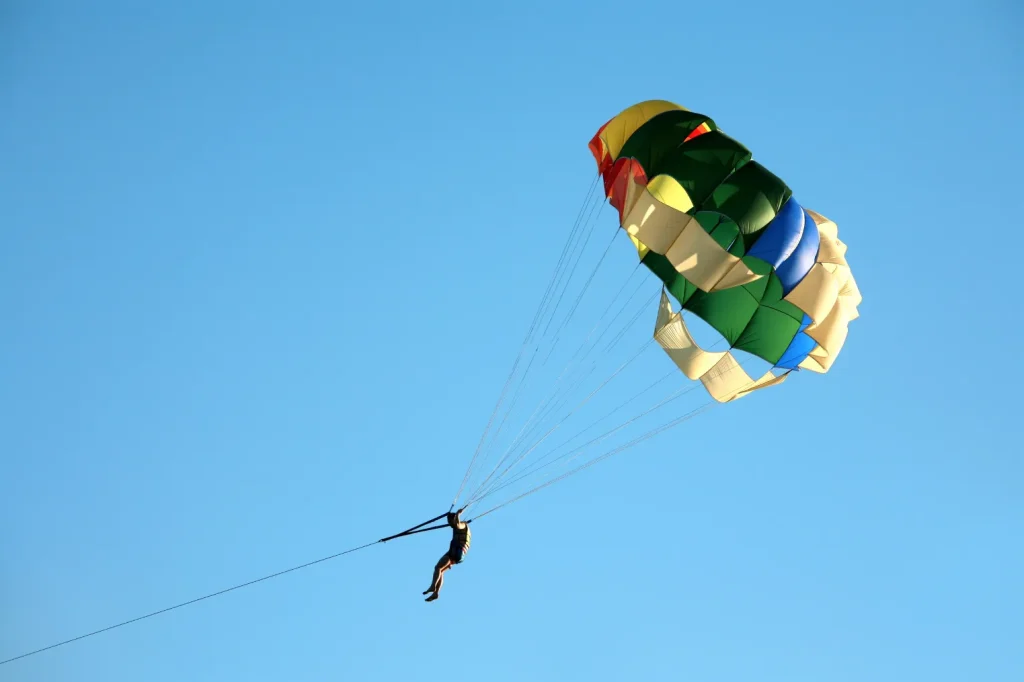
Choose a waterproof case with a one-handed, positive-lock seal, parasailing prep moves fast as Waikiki drops away below.
Look for a clear, rigid window so photos stay crisp, plus anti fog coatings to beat breathy moisture after takeoff. Choose shockproof cushioning because landings can bump the deck.
A detachable lanyard keeps your phone from becoming reef decor. Test touchscreen response for quick video starts, and check that side buttons still click.
Skip bulky add-on lenses, they snag lines. Bring a microfiber cloth and $10 cash for the crew tip after you fly.
Choosing a Waterproof Phone Case for Waikiki Conditions
- A hard-shell edge to shrug off coral abrasion if you hop in near the reef line
- Grippy sides for wet fingers, and a strap so it won’t skitter across the deck
- A low-profile shape that still fits your pocket, not a bulky dry bag
Skip pouches at ABC Stores unless you’re shooting once. Expect $25 to $60. On a Viator parasail with pickup and free cancellation, ask about splash zones. For peace of mind, choose a case that fully seals ports and buttons so you can safely bring your phone parasailing without worrying about spray or brief dunks.
How to Test and Prep Your Waterproof Phone Case
Usually, the case that fails does it in the first five minutes, so treat your waterproof phone case like a piece of gear, not a souvenir. Before you head to Waikiki’s marina, do a sink test in your hotel. Add a tissue, seal it, dunk it for five minutes, and check for dampness. A leak will cost you photos. Because Hawaii’s ocean is salty and corrosive, keeping your phone in a sealed case helps prevent saltwater damage to its ports and internal components.
Rehearse next. Do touch screen checks in Camera: tap focus, start video, zoom, and hit shutter. Set brightness high, lock rotation, and clean the lens window. For drop test methods, let it fall onto a bed, then from waist height onto a folded towel, and inspect the latch and seams. Pack a spare O-ring if yours uses one. Skip lotion or sunscreen on the seal.
Secure Your Phone: Lanyards, Floats, and Flight-Safe Filming
Although your case may be watertight, it’s still one loose grip away from sinking into the blue off Waikiki, so clip it like you mean it.
Before you step onto the boat, add wrist lanyards and double-check tether clips on your harness or life jacket.
A small foam float costs about $10 at beach shops and saves you from a long, awkward search.
For extra peace of mind, follow parasailing photo safety basics: keep straps snug, tethers secured, and floaties attached any time your phone is out over the water.
- Salt spray beads on the lens, so pack a microfiber cloth in a zip pocket.
- Film in short bursts on takeoff and landing, then stow the phone during bouncy stretches.
- Skip selfie sticks; operators often ban them and they catch wind.
Aim for early morning when winds are calmer and the line’s shorter, and you’ll land with smooth footage, not regret.
Frequently Asked Questions
What Are Waikiki Parasailing Operators’ Rules About Bringing Phones Onboard?
Waikiki parasailing operators typically let you bring phones only if you secure them; many waikiki policies ban loose items. Expect operator restrictions requiring waterproof pouches, lanyards, or leaving devices onboard the boat during the tow.
Will My Travel Insurance Cover a Lost Phone During Parasailing?
It might, but only if your policy covers personal property loss on activities; think of my friend’s phone sinking like a dropped anchor. You’ll pay insurance deductibles, follow claim timelines, and need receipts and proof.
Can TSA Security Screen My Waterproof Case Without Damaging Seals?
Yes, TSA can security screen your waterproof case without harming seal integrity if you present it closed and empty. You should request manual inspection rather than forcing it through X-ray bins, and recheck seals afterward carefully.
How Do I Clean Saltwater Corrosion From Charging Ports After Parasailing?
Power off, rinse the port with distilled water, then use a soft brush and compressed air to clear salt. Let it dry fully. These cleaning techniques plus preventive maintenance, port plugs and fresh-water rinses, help long term.
Are There Privacy Laws for Filming Other Beachgoers While Parasailing?
Like Icarus with a camera, you can usually record from the air, but you must respect privacy: public filming’s allowed where people lack a reasonable expectation, yet avoid harassing, zooming into intimacy, or restricted areas.
Conclusion
Before you clip in at Waikiki, you’ll grab a slim, seal‑secure case with a fog‑fighting window and shockproof corners. Add a lanyard and foam float, then run a tissue dunk test in the sink. Wipe spray with microfiber, skip bulky lenses and selfie sticks. Book an early slot for smoother winds and fewer crowds, $80 to $120 plus tip. Viator tours with verified reviews, they’ll bundle hotel pickup, free cancellation, and reserve now pay later.