Salt spray glitters off Waikiki’s water while your kid watches the parasail canopy lift like a bright kite. You’ll hear “kids from about 5 or 6” a lot, but operators can still say no after a quick harness fit, weigh in, and a comfort check, especially if wind picks up. Aim for 8–10 a.m., pack water and any meds, skip bulky jackets, and expect waivers plus your photo ID. Want the smoothest booking window?
Key Takeaways
- Most Waikiki parasailing operators set a minimum age around 5–6, and require a parent/legal guardian to sign waivers for minors.
- Weight limits often matter more than age; kids are weighed at check-in, and failing posted minimum/maximum weights can prevent flying.
- Harness fit is mandatory; crew checks leg loops and strap placement on the dock, and poor fit can cancel a child’s flight.
- Kids often fly tandem with a parent; solo/triple depends on weight, wind, and captain discretion, and may change day-of.
- Bring photo ID for the signing adult, arrive 20–30 minutes early, and expect weather or sea conditions to delay, rebook, or cancel.
What’s the Minimum Age for Waikiki Parasailing Kids?
So, how young is too young to fly over Waikiki on a parasail? Most crews set age restrictions around 5 to 6 years old, and they’ll also require a minimum weight and calm seas. You’ll handle legal considerations on the dock, signing waivers and showing ID, so plan 20 minutes before launch. Expect about 8 to 10 minutes in the air, plus a 60 to 90 minute boat ride, often $90 to $140 per person. Many operators also share straightforward family-friendly parasailing rules during a short safety briefing before you board.
For kids, child supervision matters: you’ll stay on the boat, and guardian presence is usually mandatory. Bring reef safe sunscreen, a light jacket, and a dry bag for phones. Skip bulky towels. If you want scheduling help, Viator tours with reviews, free cancellation, and reserve pay later can help.
Why Do Waikiki Parasailing Age Limits Differ by Operator?
Because parasailing outfits in Waikiki run different boats, routes, and risk policies, you’ll see age limits jump from one operator to the next even on the same stretch of beach. Some set a higher minimum to protect operator reputation when winds rise and water turns bumpy. Others stick to calmer routes, so they’ll accept younger kids. Ask about equipment age, how often lines and harnesses get replaced. Check training standards: who leads the safety talk and how they handle squalls. Insurance coverage shapes rules too, since tighter policies push higher ages. In Hawaii, each company’s parasailing liability and insurance requirements can lead to stricter age minimums and different rules for kids on the boat versus in the air. For seas that behave, aim for a slot around 8–10 a.m. You’ll beat the marina rush. Budget $120–$180, plus photos if you want them. Bring sunscreen and a light windbreaker. Skip big breakfasts.
Can Kids Parasail Solo, Tandem, or Triple in Waikiki?
In Waikiki, you can’t just pick any parasailing setup for your kid, because solo vs. tandem rules shift by operator and wind, and triple flights often come with stricter weight and age requirements. Some operators have specific Waikiki parasailing age limits for kids and teens, so always verify their policy before booking. You’ll want to ask about minimum age, combined weight limits, and morning launch times when seas are smoother and the boat’s less crowded, then bring reef-safe sunscreen and a light jacket, and skip bulky bags that get soaked. If you’re juggling tight schedules, a Viator tour can help you lock in a slot with verified reviews, hotel pickup, free cancellation, and reserve now pay later, but you should still confirm on-site who can fly solo, tandem, or triple before you pay.
Solo Vs. Tandem Rules
Waikiki parasailing operators don’t just buckle kids in and hope for the best, they sort flyers into solo, tandem, or triple setups based on age, weight, wind, and the boat captain’s call. As you book, ask how often the crew performs safety inspections and what specific parasailing rules they follow so you know their setup is regularly checked and up to local standards.
If your child meets solo regulations, expect a quick harness check, then 8 to 12 minutes aloft, plus a 45-minute boat ride. Lighter kids may get paired, so pack a light jacket and skip sandals.
For tandem flights, follow tandem etiquette: arrive 30 minutes early, watch for hand signals, and keep chatter low while the crew clips in.
Morning runs feel smoother and less crowded, afternoons can bring gusts and delays. Budget about $80 to $130 per flyer. Viator tours can simplify booking with reviews, free cancellation, and reserve now pay later.
Still comparing Waikiki Parasailing?
Ask for tour ideas, hotel suggestions, or a simple trip plan that combines both.
Trip Helper
Triple Flight Requirements
Triple flights can sound like the fun, easy add-on, but captains only greenlight them when the math works: combined weight hits the operator’s minimum, the wind stays steady, and every kid can sit calm in the harness for the full 8 to 12 minutes aloft. You’ll often check in at Kewalo Basin Harbor, where it’s worth planning for parking and facilities before your tour so the whole family is ready to go once you’re called. You’ll see triple configurations most often at midmorning, before Waikiki’s trade winds get gusty and the boat fills. Expect the crew to shuffle who sits where for safe load distribution, and they may switch you to tandem if a child looks tired or nervous.
Plan on about $90 to $120 per flyer plus photos. Bring water, reef-safe sunscreen, and a light jacket for the breezy ride out. Skip bulky backpacks and big breakfasts. Check in 30 minutes early.
Do Weight Limits Matter More Than Age in Waikiki?
Sizing up a kid for parasailing in Waikiki often comes down to pounds, not birthdays, because crews have to match the harness and canopy to the day’s wind. If your child fits the posted weight limits, staff can clip them in snugly, even if they’re young. If they’re over, you’ll hear no, no matter how brave they seem. Local operators also enforce specific minimum and maximum weight limits for each flight to keep the parasail balanced and safe.
Show up 30 minutes early for a quick weigh in and waivers. Flights cost about $90 to $130, and midmorning boats fill fast in summer. Bring water, reef safe sunscreen, and a light rash guard; skip big breakfasts and dangling jewelry. Your risk perception matters, so watch one takeoff from the dock and ask about tandem or triple seating rules. Then decide if it suits you.
How Wind and Waves Can Change Kid Eligibility Day-Of?
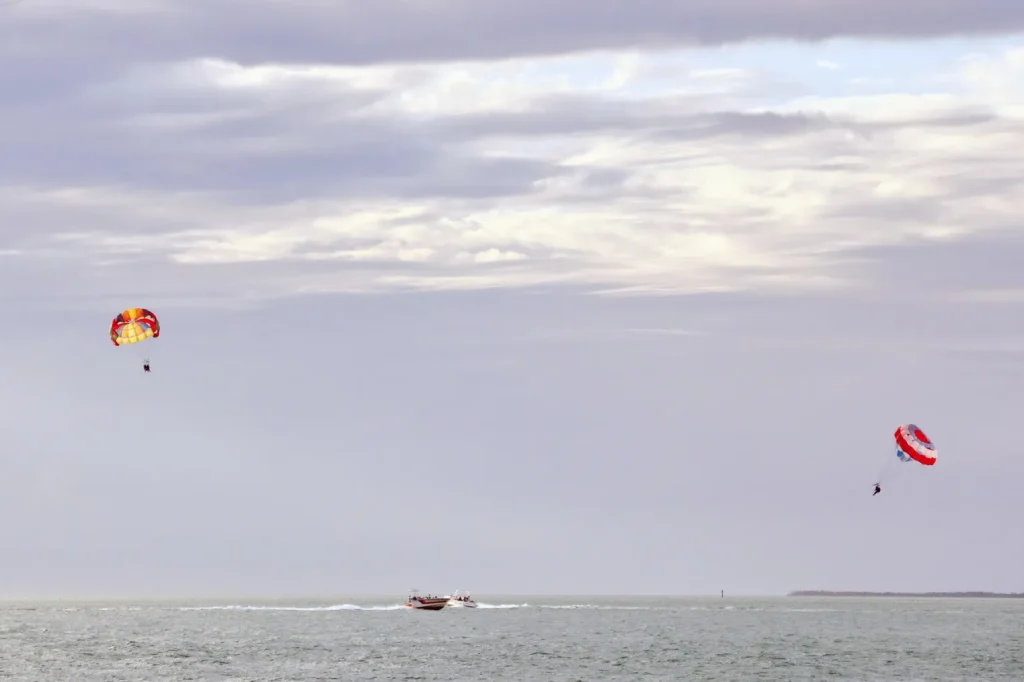
You can show up with a kid who meets the posted age rule, then a gusty trade wind or a choppy swell can turn it into a weather-driven call on the spot, especially on crowded late-morning launches. As wind picks up, operators may proactively cancel kid flights to avoid the windy Waikiki conditions that often force full parasailing tour shutdowns.
Ask the crew what wind and swell thresholds they’re using that day, and plan to arrive 20 minutes early with water, a light jacket, and reef-safe sunscreen, skip bulky beach bags that slow the weigh-in line.
If you’re booking through a Viator tour, pick one with verified reviews, free cancellation, and reserve now pay later so you can shift timing fast without eating the cost.
Weather-Driven Age Call
Because the sky and sea can flip the script in minutes, a kid who’s “old enough” on paper mightn’t be cleared to fly once the captain checks the wind, swell, and boat traffic. In Waikiki, parasailing can be delayed or canceled entirely due to wind and rain, so last‑minute weather calls can affect whether younger kids are allowed to fly that day.
Plan for a weather-driven yes or no at check-in, especially on busy Waikiki mornings when boats stack up and decisions come fast.
Do a little Weather schooling the night before, then sanity-check with Forecast apps on the way to the dock.
Pack a light jacket, sunscreen, and water, and skip dangling hats and bulky backpacks.
If the call changes, ask about rebooking fees before you pay, many operators shift you for free.
Booking a Viator tour can help, with verified reviews, free cancellation, and reserve now pay later for flexibility.
Wind And Swell Thresholds
Most mornings, the wind and swell decide whether your kid gets a harness or a hard no before the boat even clears the harbor. Captains watch thresholds because lift dynamics change fast when trades spike, and swell interaction can yank the line, then slack it, like a yo-yo. As the crew monitors Waikiki parasailing wind conditions, they’re watching for sudden gusts that can quickly turn a smooth ride into one that’s too powerful or unstable for younger kids.
If whitecaps build after 9 a.m., you might get bumped to a later slot or refunded. Plan for a 7:30 to 8:30 a.m. check-in, bring a light jacket, water, and reef-safe sunscreen, skip heavy snacks and loose hats. Expect $90 to $140 per rider, plus photos. Crowds thin midweek. A Viator tour with verified reviews can lock timing, offer free cancellation, and reserve now pay later, but day-of gust response still rules, regardless of kite aerodynamics.
What Safety Gear Do Kids Wear While Parasailing?
Usually, the gear part moves fast, so it helps to know what your kid will wear before the boat even leaves the dock. Crew members fit child sized lifejackets, then clip in junior harnesses that sit low on the hips for a steadier ride. You can also ask the crew to walk you through their parasailing safety checklist so you can see how each piece of gear keeps your child secure above Waikiki’s water.
You’ll notice brisk double checks before the towline tightens, even when Waikiki’s loading area feels crowded. Plan 5 to 10 minutes for sizing, and bring cash for photos if you want them.
- Coast Guard approved lifejackets, snug not pinching
- Harness with leg loops and a backup strap
- Optional helmet if the operator requires it
- Light windbreaker, no bulky backpack
Bring water and reef safe sunscreen. Skip dangling jewelry and flip flops. Book early, mornings run calmer, and lines move faster.
What Medical Conditions Can Restrict Child Flyers?
Gear checks happen fast on the dock, but the next pause is health screening, and it can stop the ride before you’ve even snapped a photo. If your child has asthma that flares with salt spray, recent ear surgery, seizures, or fainting, ask your doctor first. Any heart murmur, arrhythmia, or chest pain needs a pediatric cardiology clearance. Pack inhalers, EpiPens, and a one page med list for allergic reactions, but skip sedating antihistamines. Mornings feel calmer and cheaper, about $70 to $120, with fewer lines. While rules vary by operator, many Waikiki companies also follow strict parasailing safety policies for pregnant guests that can indirectly shape how carefully they screen all medical conditions in your group.
| Condition | What it feels like | Prep you bring |
|---|---|---|
| Asthma | Tight chest in wind | Rescue inhaler |
| Heart issues | Dizzy, racing pulse | Doctor note |
| Severe allergy | Hives, swelling | EpiPen, wipes |
On Viator, filter verified reviews, hotel pickup, and free cancellation.
When Can the Crew Deny a Child’s Flight for Safety?
Some days you’ll walk up to the dock with sunscreen on and a booking in hand, and the crew will still pause the launch if winds kick up, swells slap the platform, or lightning looms. They can also say no if your child doesn’t meet the weight range, the harness sits awkwardly over a life jacket, or your kid looks woozy or won’t follow calm, clear instructions in the preflight check. Before you go, remember that signing a parasailing waiver in Hawaii means you’re acknowledging these safety decisions are ultimately up to the crew and operator. If you want fewer surprises, book a Viator parasailing tour with verified reviews, free cancellation, and reserve now pay later, show up 30 minutes early with water and a light layer, and skip heavy snacks right before you fly (sorry, churros).
Weather And Sea Conditions
Even if your child meets the age and weight rules, the crew can still call off a flight the moment the weather or sea turns choppy. In Waikiki, trade winds can spike fast, so captains watch marine forecasts and current radar. If the sea state builds into whitecaps, or harbor closures pause departures, you’ll wait, rebook, or get refunded. The NWS Forecast Office Honolulu posts official marine forecasts and updates that many parasail operators rely on when making safety calls.
- Check in 30 minutes early, the dock can back up at 9 a.m.
- Bring a light rain jacket, reef-safe sunscreen, and a dry bag.
- Skip breakfasts and loose hats, they don’t end well.
- Book a Viator tour with verified reviews, free cancellation, and reserve-now pay-later for easier switches.
Most operators won’t charge for weather delays, but you’ll lose vacation time, so keep a flexible afternoon.
Weight, Harness, Or Fit
Watch the crew’s hands when they size up your kid for the harness, because that quick tug test can decide the whole flight. If straps ride up, gaps show at the thighs, or the chest clip sits too high, they’ll stop you for harness fitment. They also check weight distribution with the tandem bar. A light child paired with a heavier adult can swing, and a solo flyer may not meet the minimum. Arrive 30 minutes early so adjustments don’t eat your slot. Bring closed toe sandals, a light rash guard, and a small dry bag. Skip bulky hoodies and dangling jewelry. Expect $120 to $180 per person plus photos. Midmorning runs feel calmer than evening boats. Viator bookings add reviews and free cancellation. If anyone in your family has back or neck concerns, ask the crew specific questions about parasailing with back or neck issues before they gear up.
Child Behavior Or Health
If your kid shows up tired, jittery, or sick, the captain can call off the flight fast, no refunds, because they’ve to trust a calm body at takeoff and landing. They’ll also pause if your child anxiety spikes on the dock, if they won’t follow hand signals, or if they can’t stay seated during the quick safety talk. Many companies will also review basic parasailing safety tips with you at check‑in, and if they feel a child can’t safely follow those directions, they’ll cancel the ride on the spot.
Before you pay, ask about:
- Minimum age, and whether a short trial tow is offered.
- Morning slots with smoother seas, and fewer crowds at the dock.
- Your motion sickness prevention plan, ginger chews, water, no heavy breakfast.
- What to bring, closed shoes, sunscreen, and what to skip, big cameras.
If they deny the flight, pivot to beach time, then rebook another day when everyone’s steady.
Do Kids Need a Parent Waiver or ID to Fly?
While you’re daydreaming about that breezy, postcard-blue glide, handle the paperwork first so your kid actually gets in the harness. Most Waikiki operators won’t launch minors without a waiver with parental signatures, signed on site, so plan for a parent or legal guardian to check in. Before you reserve, double-check how to book parasailing in Waikiki so you know each operator’s specific rules for minors and required paperwork. If you’re traveling with grandparents or a babysitter, ask ahead about notarized consent, or you’ll waste an hour in the marina crowd. Bring a photo ID for the signing adult, and pack ID photocopies for your child if they’ve one. Some desks accept a passport photo on your phone, but don’t bet on it. Expect $10–$20 for photos, and tip cash. Booking a Viator tour can streamline timing with reviews, free cancellation, pickup, and reserve pay later.
What Time of Day Is Calmest for Family Parasailing?
Aim for 8 to 10 a.m. departures, lighter winds, fewer wakes.
Budget $120 to $180 per flyer, plus photos if you want them.
Bring reef-safe sunscreen, light layers, and a dry bag for phones.
Skip heavy breakfasts and loose hats, they’ll fly away faster than you.
Morning flights often line up with the perfect time to parasail over Waikiki’s beaches, when conditions are typically calmer and more comfortable for kids.
If timing’s tight, a Viator tour with verified reviews, hotel pickup, free cancellation, and reserve now pay later locks your slot.
How to Help Nervous Kids Feel Confident in the Air?
Kids often relax once you turn parasailing into a quick, know-what-to-expect routine: arrive 20 to 30 minutes early, let them watch one calm takeoff, then walk them through the exact steps the crew will call out. On the dock, do simple breathing exercises, inhale for four, exhale for six, as you fit life jackets and feel the harness. Keep snacks light, bring water, and skip a big breakfast. If the marina’s busy, stand to the side and try visualization games: picture the boat as your porch, the sky as a slow elevator. Many operators also offer specific first-time parasailing tips in Waikiki that you can review together with your child before heading to the dock. Request a tandem ride with you, typically $90 to $140 each. For fixed timing, Viator listings show verified reviews and free cancellation. Pack a sunglasses strap and reef-safe sunscreen plus a windbreaker.
Frequently Asked Questions
What Should Kids Wear for a Waikiki Parasailing Trip?
Your kids should wear lightweight clothing,closed toe shoes, and a life jacket the crew provides. You’ll add a swimsuit, quick-dry layer, and hat strap. Don’t bring loose accessories; pack sunscreen and a towel afterward too.
Are Waterproof Cameras or Gopros Allowed for Children During the Flight?
Yes, you can let your child bring a waterproof camera or GoPro, but you’ll clip it securely like a talisman in the wind. Check operator rules, straps, and equipment weightlimits before chasing waterproof selfies aloft.
Can Parents Ride on the Same Boat Without Parasailing?
Yes, you can usually ride on the boat without parasailing, but you’ll need to book a ride-along spot. You provide parental supervision, follow crew instructions, and mind deck safety during launches and landings always closely.
What Happens if My Child Gets Seasick Before Takeoff?
If your child’s tummy turns rebellious before takeoff, you’ll pause the launch and tell the crew right away; they’ll head back or reschedule. Use motion sickness pre flight remedies, ginger, wristbands, meds, with operator approval as needed.
How Far in Advance Should Families Book Kid-Friendly Waikiki Parasailing?
Book kid-friendly Waikiki parasailing 2–4 weeks ahead, and 6–8 weeks for holidays and summer. Good advance planning improves your reservation timing, secures morning seas, and gives you flexibility if someone’s queasy or weather cancels unexpectedly.
Conclusion
Book a calm morning slot around 8 to 10 a.m., when Waikiki’s winds behave and lines stay short. Expect weigh in, harness check, and a crew veto if conditions turn, so keep plans flexible. Bring water, sunscreen, motion sickness meds, and a rash guard, skip loose hats and bags. For logistics, Viator tours with verified reviews and hotel pickup offer free cancellation and reserve now pay later, telegram not included. Cost is $120 to $180.