Most Waikiki parasail trips don’t feel like a roller coaster at all, they feel like a quiet elevator into the sky once the boat stops tugging. You’ll trade reef detail for a wide, cinematic sweep of Diamond Head and the shoreline, with almost no work besides showing up. Snorkeling flips that deal. Warm water, salt on your lips, fins kicking, and the chance of turtles if you time it right. But your body will decide…
Key Takeaways
- Pick parasailing for effortless “instant wow” and huge skyline views of Waikiki, Diamond Head, and the coastline with almost no learning curve.
- Pick snorkeling for an at-your-own-pace experience with close-up reef fish, coral gardens, and occasional honu sightings.
- Consider fears: choose snorkeling if heights worry you; choose parasailing if deep water or sustained swimming makes you uneasy.
- Budget and time: parasailing costs more per hour but is quick; snorkeling can be cheaper with rentals and lasts 30–60 minutes.
- Go early morning in summer for calmer winds and better visibility; if water is sandy or rough, switch to a protected lagoon or parasailing.
Quick Pick: Which Is Better for You?
If you want the fastest “yes, do that” answer, think about what you want to feel in the first five minutes. If you crave instant wow and the best scenery with zero learning curve, book parasailing: you check in, clip in, and you’re done. Quick logistics, minimal gear, and you stay mostly dry. For an easy way to mix both worlds in one outing, you can book a parasailing and snorkeling combo in Oahu that lets you soar first and then hop in the water to explore.
If you’d rather move at your own pace and chase small surprises, choose snorkeling. You’ll handle mask-and-fin fit (gear that helps you breathe and swim), watch for calm water, and you might need a short swim out.
For local flavors afterward, snorkeling pairs well with a poke bowl and shave ice on the walk back. Do budget planning: parasailing costs more per hour, snorkeling can be cheaper if you rent gear.
What Parasailing Feels Like in Waikiki
Out on Waikiki’s blue runway, parasailing feels less like a thrill ride and more like a calm lift into a new angle on the island. You’ll typically glide up to the standard parasailing heights above Waikiki’s water, high enough to see the curve of the coast while still feeling securely tethered to the boat.
You step onto the boat, feel the ocean breeze, and hear the harness click as the crew clips you in. Tandem means you fly with a partner, and it steadies the takeoff.
Then the rope tightens. Up you go, smooth as a sunrise lift, with Diamond Head shrinking below. Your stomach flutters for a second.
After that, it’s panoramic silence, broken only by wind and distant boat noise. Look down for coral-tinted patches and the grid of hotels. Bring a light jacket, leave loose hats behind, and don’t fight the swing. Let it drift. You’ll land gently, smiling, surprised.
What Snorkeling Feels Like in Waikiki
You slip into Waikiki’s warm water and your mask turns the surface shimmer into clear views, so you can spot the reef’s shape without squinting. Next, you’ll float with gentle waves doing most of the work while reef fish flash by in quick bursts of color. It’s easy and calm, but you’ll want to keep your fins (swim flippers) moving lightly so you don’t drift onto coral. From the surface, you might also notice parasailing in Waikiki overhead, a totally different way people try to spot turtles, dolphins, or even whales from above.
Warm Water, Clear Views
Slipping into Waikiki’s water feels like stepping into a warm, saltwater pool with a view. You’ll notice it right away: warm clarity around your mask, no shiver, no rush to get out.
Float on your belly, breathe through the snorkel (the tube), and let the gentle surge do the work.
When the sun’s high, Tropical visibility can surprise you, even close to shore, but it changes fast with wind and sand. Go early for the cleanest look.
Stay near lifeguard towers, and keep fins on in case the current tugs. If your mask fogs, rinse it and try a quick spit-and-swirl. Not glamorous. It works.
Bring a rash guard for sun and scrape protection, and stash a dry bag for keys and phone too.
If you end up choosing parasailing instead, ask your crew how they capture epic Waikiki moments so you can bring home photos or video that match the rush of floating above the bay.
Still comparing Parasailing Vs Snorkeling?
Ask for tour ideas, hotel suggestions, or a simple trip plan that combines both.
Trip Helper
Reef Fish Encounters
Often, the first thing you’ll notice isn’t a big coral wall, it’s a flash of color. You’ll spot bright angelfish nosing around ledges, then a yellow tang streaks past like a taxi late for pickup. Pause, breathe, and watch instead of chasing; fish read sudden kicks as trouble. From the surface, the Waikiki reefs look like mottled patches below, but once you’re in the water they resolve into living structure that shelters fish and frames views back toward Diamond Head.
Look closer and you’ll see feeding habits in action. Butterflyfish peck at tiny bits on rock, while a wrasse patrols for snacks. Some species show territorial behavior, darting out to shoo neighbors from a favorite nook. At dusk tours, ask about night parrotfish; they cruise in slow, deliberate bites, grinding algae with beaklike mouths. Keep your hands to yourself, don’t touch coral, and you’ll get better sightings. If you wear a rash guard, you’ll stay longer.
Gentle Waves, Easy Floating
Usually, Waikiki snorkeling starts with a small surprise: the ocean does half the work, lifting you in gentle, rolling waves while you settle into an easy float. You’ll notice calm buoyancy right away, especially with a snug mask and fins. Rent a flotation belt if you want extra lift today.
Visitors who want the most up-to-date marine weather and surf details can check official updates from the NWS Forecast Office Honolulu before heading into the water.
| Moment | What you feel | Quick tip |
|---|---|---|
| Near shore | soft surf nudges you forward | Walk in until knee-deep, then kick. |
| Over reef | gentle drifting keeps you relaxed | Use easy paddling, not arm flailing. |
Breathe slow through the snorkel (the tube), keep your face down, and let your legs steer. If you get pushed off line, pause, look for a landmark on the beach, and reset. You won’t need speed. Just patience and a light kick.
Parasailing vs Snorkeling Waikiki: Thrill and Comfort
While both adventures start on the same bright stretch of Waikiki sand, parasailing and snorkeling deliver very different mixes of thrill and comfort.
You’ll strap into a harness, feel the boat surge, and rise fast; it’s smooth once you’re up, but altitude anxiety can hit hard when your feet leave the deck.
If you crave adrenaline comfort, go tandem with a friend, and ask the crew to keep the towline lower.
That first moment when the boat throttles up and the chute catches the wind is when parasailing takeoff feels most intense, before settling into a surprisingly calm glide above the water.
Snorkeling keeps you closer to your own pace.
You slip on a mask and snorkel (the breathing tube), then float and kick as you like.
It’s calmer, yet you’ll work a bit, and choppy water can rattle you.
Choose a snug mask, use fins for less effort, and skip it if seasickness strikes.
Views vs Sea Life: What You’ll See in Waikiki
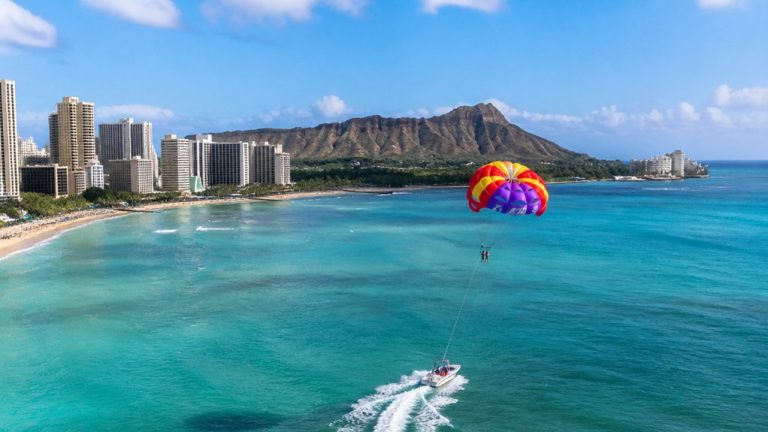
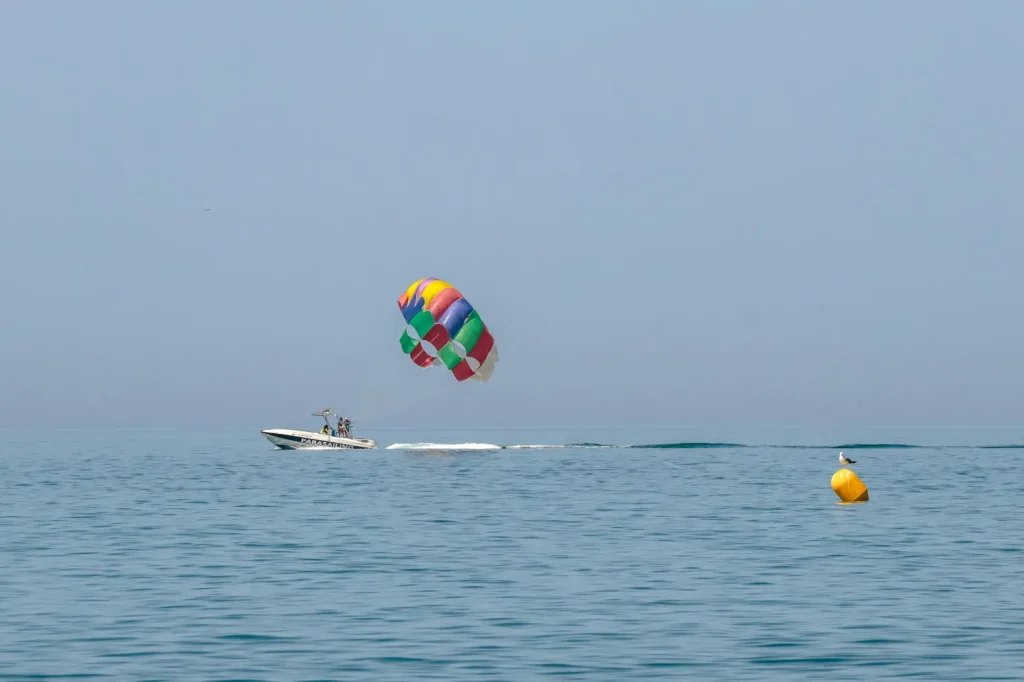
From the sky, Waikiki looks like a postcard you can zoom through. You’ll float above Diamond Head, the curve of the beach, and those ocean skylines where turquoise fades into deep blue. Hotels shrink to toy blocks. The boat’s wake scribbles white lines. If you want big-picture beauty, parasailing delivers it in one sweeping glance. These unforgettable parasailing views let you see Waikiki, Diamond Head, and the coastline all at once from a soaring birds-eye perspective.
Slip below the surface to trade horizons for detail. Snorkeling brings coral panoramas, like underwater gardens, plus flashes of yellow tang, parrotfish, and the occasional honu (Hawaiian green sea turtle). Don’t expect a reef like Maui, but Waikiki still surprises close in sometimes. You’ll hear your own breathing and feel the water’s hush. Visibility means how far you can see underwater; on clear days, it’s like looking through glass.
Time, Effort, and Skill Level Required
Before you book, think about the clock: parasailing usually means a quick check-in, a snug harness, and you’re up fast, while snorkeling takes more prep with fins, a mask, and a fit check so nothing leaks. Next, be honest about effort and stamina, since parasailing feels mostly hands-off once you’re towing above the water, but snorkeling keeps you kicking in salty chop and steadying your breathing. Finally, weigh skill, training, and comfort, because you don’t need lessons to parasail, yet you’ll enjoy snorkeling more if you’re calm in open water and can clear your mask (blow out through your nose to push water out). If you’re nervous, understanding parasailing safety in Waikiki, like the boat crew’s briefing, life jackets, and controlled takeoff and landing, can make the experience feel much less intimidating.
Preparation And Check-In
Even if you’ve got only a sliver of free time in Waikiki, you can make either parasailing or snorkeling happen without much hassle, as long as you know what check-in really looks like.
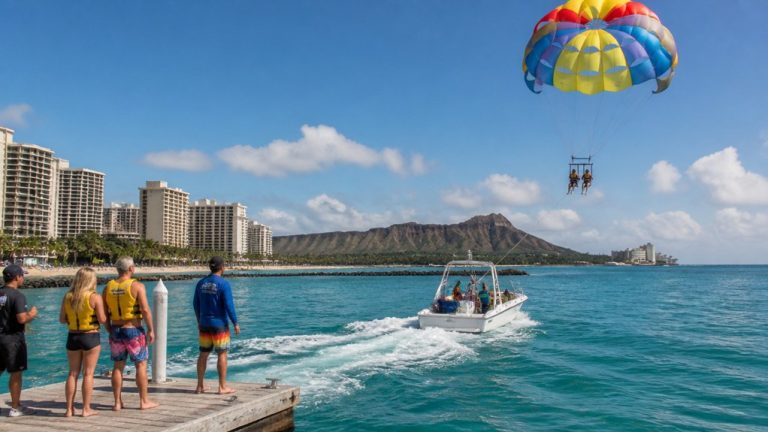
For parasailing, you’ll book a slot, then show up at the harbor 20–30 minutes early for waivers and a quick safety rundown. Bring an ID, reef-safe sunscreen, and a light layer for the boat breeze. A local operator may also provide a brief Waikiki parasailing dock orientation so you know exactly where to line up, stow your gear, and wait for your boat.
Snorkeling tours feel looser, but you still need Meet up logistics, usually a beach kiosk or hotel pickup window. Confirm your exact sand-side landmark. Ask about Gear sanitation, meaning how they rinse and disinfect masks and snorkels between users.
Pack a dry bag, water, and cash for lockers.
If you’re self-guiding, check surf and visibility first.
Physical Exertion And Stamina
Although both tours look effortless on Instagram, Waikiki parasailing and snorkeling ask for very different kinds of stamina. Parasailing is mostly waiting, then a quick burst: you walk to the stern, clip in, and brace while the winch pulls you up. Your cardio demand stays low, but your legs and core tense for a minute or two. Keep in mind that following parasailing safety tips for Waikiki beaches, like listening to your crew’s briefing and checking harness fit, keeps that short burst of effort safer and less stressful.
| Activity | Effort spikes | Total active time |
|---|---|---|
| Parasailing | Short, tight bracing | 2–5 minutes |
| Snorkeling | Steady kicking | 30–60 minutes |
Snorkeling flips it. You’ll kick, float, and adjust your breathing for the whole session, which can push your endurance limits, especially if surf chops the water and salt stings your lips. Want the easier day? Choose parasailing. Want a workout you can pace? Snorkel. Bring water and eat light beforehand.
Skills, Training, And Comfort
If you want a low-learning-curve adventure, Waikiki parasailing wins on pure simplicity. You clip into a harness, listen to a quick safety talk, and let the crew do the technical work. Most operators in Honolulu give beginners a brief overview of parasailing for beginners before you ever leave the dock, so you know exactly what to expect.
Expect a few minutes of nerves as the towline tightens, then smooth air and wide blue views. No special fitness, no lessons, just basic comfort with heights and a gentle takeoff and landing.
Snorkeling asks more of you. You’ll need equipment familiarity: how to clear water from a mask, breathe through a snorkel, and kick without splashing.
Breath control matters, even though you’re breathing at the surface, because calm, steady inhales keep you from swallowing seawater. Give yourself 10 minutes in shallow water to adjust, then drift over reefs with confidence every time.
Parasailing vs Snorkeling Waikiki: Total Cost Breakdown
Pricing out your Waikiki water day can feel like shopping with sand still on your feet. Parasailing usually runs $90–$150 per person for a standard flight, then adds photos, tip, and hotel pickup if you want it. Watch for “observer” fees if a friend stays on the boat. Many operators bundle Waikiki parasailing inclusions like life jackets and boat transport in the base price, but charge extra for premium photo or video packages.
Snorkeling can look cheaper, but add the line items. You’ll pay for Equipment costs like mask, fins, and a float belt, plus reef-safe sunscreen. A beach rental kit often lands around $20–$35, and Rental discounts show up after 2 p.m. or for multi-day bundles.
If you join a boat snorkel trip, expect $60–$120 with gear included. Either way, budget extra for snacks and a towel you don’t mind wet. Trim costs by booking online, compare docks.
Parasailing vs Snorkeling Waikiki: Safety, Fear, Motion Sickness
Before you book, you’ll want to size up safety the way locals do: check the operator’s track record, listen to the briefing, and know what the wind and waves are doing that day. You can also look for operators who follow parasailing safety tips specific to Waikiki conditions, like watching wind speed and equipment checks before heading out.
If heights make your stomach flip, parasailing hits that fear button fast, while snorkeling can feel calmer until you picture open water and fins brushing past.
And if you get motion sick, note that boat rides for parasailing often trigger it more than a slow snorkel, so bring ginger chews or take your go-to medicine early.
Safety Risks And Precautions
Although Waikiki’s water looks calm and postcard-perfect, both parasailing and snorkeling come with real safety trade-offs that you’ll feel in your body, not just read on a waiver. Start by scanning for weather hazards: gusty wind, rain squalls, and chop can turn a smooth tow into a bumpy ride or reduce underwater visibility. Insist on visible equipment checks, harness, towline, mask strap, and ask where the first-aid kit is. Before you book, ask how often they perform safety inspections and what specific rules they follow for wind limits, passenger weight, and gear retirement.
| Activity | Main risk | Smart precaution |
|---|---|---|
| Parasailing | hard landing, nausea | fly early, tell crew meds, follow signals |
| Snorkeling | marine stings, cramps | wear rash guard, float, stay near lifeguards |
Before you splash or launch, learn the operator’s emergency procedures, like radio calls and pickup plans. Stay hydrated, don’t drink alcohol, and stop at the first headache or chills today.
Fear Factor Comparison
If your stomach flips at the thought of heights or deep water, Waikiki will show you which fear button you’ve actually got.
Parasailing feels like stepping into the sky: you’re clipped to a harness, the boat pulls, and Honolulu shrinks beneath your feet. If height anxiety hits, ask to go tandem and keep your eyes on the horizon, not the drop. If you’re prone to motion sickness, simple parasailing nausea tips like facing the wind, avoiding heavy meals beforehand, and focusing on the horizon can make the flight feel much smoother.
Snorkeling swaps altitude for depth.
You float over coral and fish, but the vast blue can spook you fast. Start in waist-deep water, practice slow breaths through the snorkel (the breathing tube), and stay near the guide.
- You fear losing control: choose snorkeling.
- You fear deep water: choose parasailing.
- You need equipment trust: pick the operator with clear safety briefings.
Motion Sickness Likelihood
Usually, motion sickness, not fear, decides whether you’ll love parasailing or spend the rest of the day nursing ginger chews on the sand.
Up high, the boat’s wake and the harness sway can stack up as classic sea sickness triggers: mixed signals between what your eyes see and what your inner ear feels.
Snorkeling seems calmer, but it can still turn your stomach.
You bob at the surface, breathe through a tube, and lift your head to spot landmarks.
That stop-start rhythm can upset you fast.
Give yourself time for vestibular adaptation, meaning your balance system learns the motion.
Start with a short session, avoid a heavy breakfast, and pick a morning with lighter chop.
If you’re sensitive, take breaks.
Hydrate.
Don’t tough it out today.
Stronger trade winds and choppier seas can increase Waikiki parasailing wind effects, making motion sickness more likely if the weather suddenly picks up during your ride.
Best Choice for Kids and Cautious Swimmers
Often, the best way to pick between parasailing and snorkeling in Waikiki for kids or cautious swimmers is to start with one simple question: do you feel calmer in a life jacket on the surface, or strapped into a harness high above the water?
> Ask yourself: calmer floating in a life jacket, or strapped into a harness high above the water?
With kids or a cautious streak, snorkeling wins because you control the pace and can quit fast. Go for shallow snorkeling in sandy-bottom spots where you can stand and reset. Ask for kids friendly gear: small masks, soft fins, and a float belt (a waist float). If you do consider parasailing, look into family-friendly age rules and operator guidelines in Waikiki so you know exactly what’s allowed for younger kids before you book.
- Stay near the surface and the guide.
- Practice breathing, then look down.
- Skip the “too high” feeling.
Pick parasailing only if height and wind won’t rattle you, and you trust the safety briefing.
Best Choice for Couples (Photos, Romance, Wow-Factor)
For couples, the choice comes down to what kind of “wow” you want to bottle up: parasailing delivers the big-screen panorama and the easy, grin-filled photo op, while snorkeling trades altitude for intimacy, quiet, and those close-up moments that feel like your own secret cove. Choose parasailing for dramatic sunset silhouettes over Waikiki and a hands-free ride, so you can hold hands while the crew snaps candid portraits. Pick snorkeling to float side by side, pause to chat, and spot a turtle at arm’s length. While you’re in the air, you can expect parasailing over Waikiki to keep you aloft long enough to soak in the skyline, but not so long that it eats your whole afternoon. Bring a dry bag for your phone.
| Moment | Parasailing | Snorkeling |
|---|---|---|
| Best photos | Wide horizon | Underwater close-ups |
| Romance vibe | Windy, cinematic | Quiet, shared discoveries |
If you’re torn, ask yourselves: do you want to soar, or to linger? No wrong pick.
Best Time of Year in Waikiki (Wind, Swell, Visibility)
Once you’ve picked your kind of wow, timing decides how smooth the ride feels and how clear the ocean looks. In Waikiki, the best season for parasailing typically lines up with summer’s mellow conditions, when lighter winds and calmer seas make flights smoother and more predictable.
In Waikiki, summer (May–Sept) usually brings lighter trade winds and smaller surf, so parasailing flights feel steadier and snorkeling stays relaxed.
Winter can still be sunny, but seasonal swells from the North Pacific stir sand and make shore entries bumpy.
- Go early morning for calmer wind and glassier water.
- Watch for “visibility windows,” the clear days after a few quiet, swell-free mornings.
- If you see whitewater and floating sand, pivot to parasailing, or pick a protected lagoon.
Midday heat builds breeze fast; plan your water time first.
Ask operators about wind limits and swell direction.
You’ll spend less time waiting and more time grinning.
Frequently Asked Questions
Are There Weight Limits for Parasailing in Waikiki?
Yes, most Waikiki parasailing operators set weight restrictions, often 90–250 lbs per rider and a combined harness limit around 450–500 lbs. You’ll complete safety checks before launch, and they’ll adjust or cancel for conditions today.
Can I Bring My Own Snorkel Gear on a Waikiki Tour?
Yes, you can bring snorkel gear on most Waikiki tours; just confirm with your operator. You’ll enjoy a custom fit mask and your own bring snorkel, but they’ll still require safety briefing and fins often.
Do Parasailing and Snorkeling Tours Include Hotel Pickup in Waikiki?
Most Waikiki parasailing and snorkeling tours don’t include hotel pickup; you’ll usually head to a nearby meeting point. Some operators offer round trip service via private transfer, and you can arrange it through concierge coordination.
How Far in Advance Should I Book Parasailing or Snorkeling in Waikiki?
Book 1–2 weeks ahead for most days, and 3–6 weeks ahead during holidays or summer. With advance planning, you’ll lock in preferred times; seasonal availability and weather shifts can limit last‑minute spots, especially on weekends.
Are There Professional Photo or Video Packages Available for Both Activities?
Yes, most Waikiki parasailing and snorkeling operators offer add-on photo/video packages. You’ll get professional photography for boat and underwater shots, and parasailing often includes aerial videography. Ask about pricing, delivery, and waivers ahead online before booking.
Conclusion
Try this theory: the right Waikiki pick depends on how you like to feel, not what you want to see. If you crave a fast, movie-shot payoff, you’ll clip in and rise above the surf, Diamond Head framed like a postcard, feet dangling, effort near zero. If you trust your swim and prefer slow wonder, you’ll mask up (a face visor) and glide over coral, watching turtles cruise by. Choose your comfort and skip regrets.