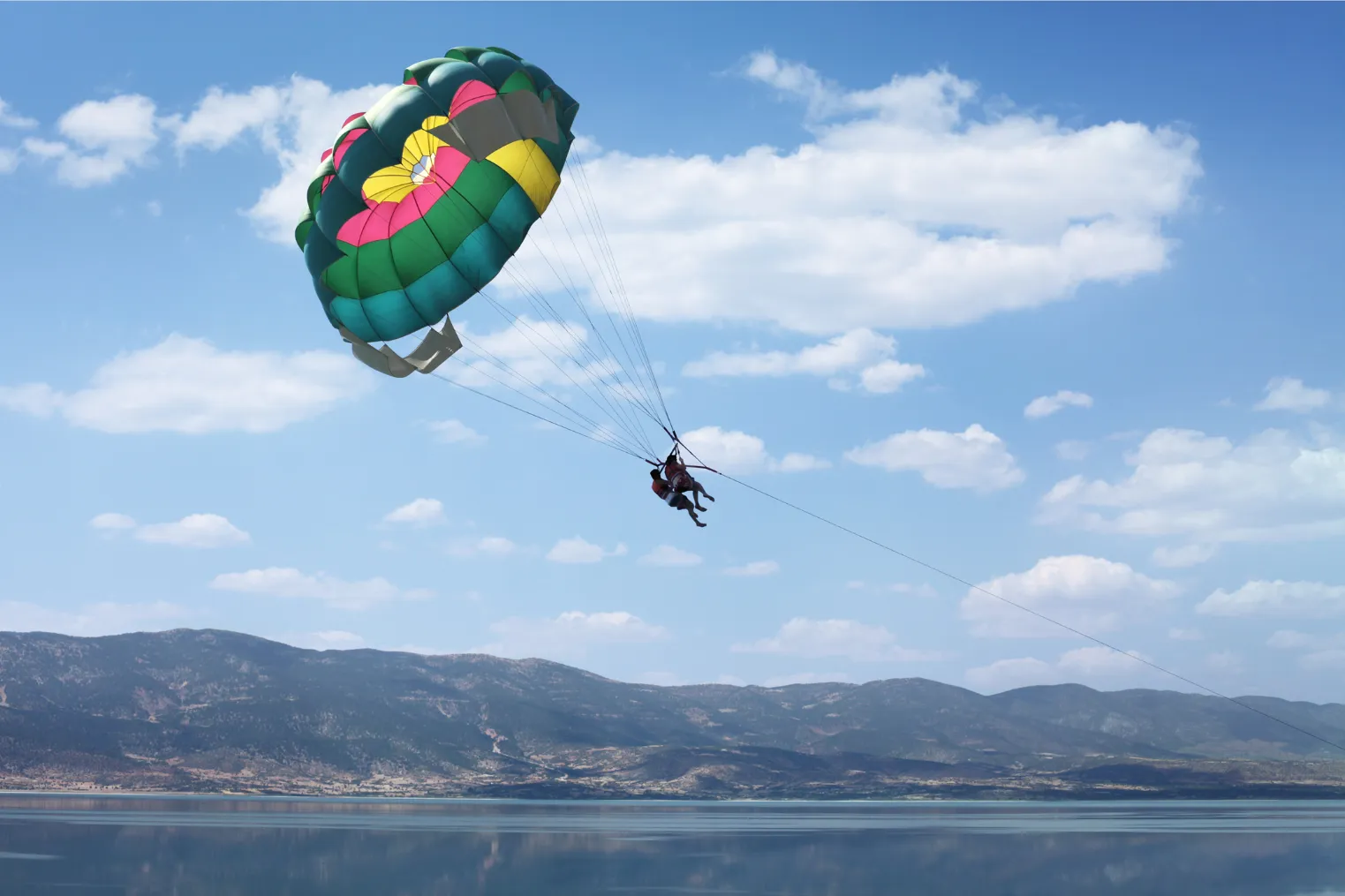
You’ll likely sign the waiver at the dock, barefoot, with salt spray in the air and a line of sunburnt guests behind you, usually 15 minutes before launch. It often waives ordinary mishaps like splashy landings, rope burn, and bumpy takeoffs, and can limit lawsuits for simple negligence, but it won’t always cover gross negligence, bad gear, or rule-breaking. Bring a photo ID, reef-safe sunscreen, and skip valuables. Still, one clause can change everything…
Key Takeaways
- A Hawaii parasailing waiver usually releases claims for ordinary negligence during normal ride hazards like rough takeoffs, wet landings, and minor boarding injuries.
- Waivers generally can’t waive gross negligence or reckless misconduct, such as launching in squalls, overloading, skipping briefings, or ignoring wind cutoffs.
- Equipment defects and maintenance failures (frayed towlines, faulty harnesses, corroded fittings) aren’t safely excused by waiver language and can still create liability.
- Minors’ claims may survive even if a parent signs, and operators must still follow US Coast Guard and Hawaii safety rules.
- Read the waiver before paying, flag “assume all risks including crew negligence” clauses, and ask about inspection schedules, gear responsibility, and insurance.
Is a Hawaii Parasailing Waiver Enforceable?
Even if you’re already picturing that bright arc of parachute fabric against a Kona blue sky, the waiver you sign at the dock doesn’t automatically wipe out a company’s responsibility in Hawaii. Courts look at how clear it is, how it’s presented, and whether it tries to excuse careless operation. If the language is buried in print or you’re rushed to sign while the boat idles, you may have contract defenses. Under Hawaii law, waivers can’t fully shield operators from liability tied to inadequate parasailing insurance or gross negligence, even when you sign before boarding. You still accept some assumption of risk, like a splashy landing or rope burn, especially when the crew briefs you well. Book early for 9 to 11 a.m. flights, before trade winds pick up and crowds swell. Expect $150 to $250, plus photos. Bring reef-safe sunscreen and a dry bag. Skip jewelry.
What Rights Do You Give Up in a Hawaii Parasailing Waiver?
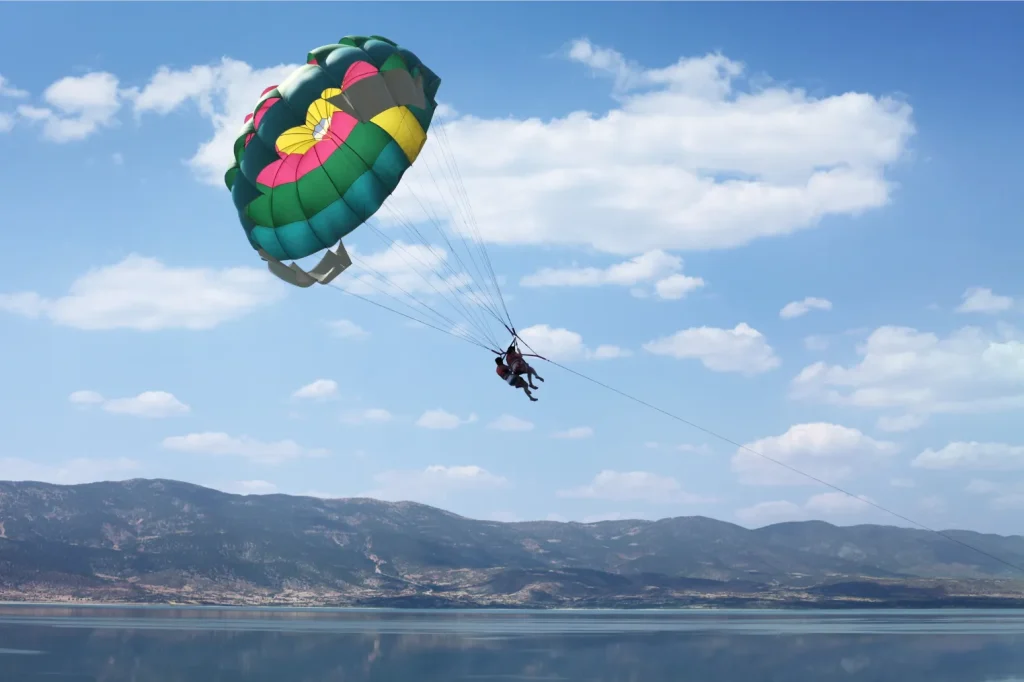
While you’re tightening the life jacket and listening to the crew point out the towline, a Hawaii parasailing waiver usually asks you to give up your right to sue the operator for ordinary negligence tied to the ride, things like a rough takeoff, a wet landing, or getting yanked by a gust when the trade winds kick up after lunch. You’re also agreeing to an assumption of risk, meaning you accept the usual hazards of being clipped to a harness 500 feet up. The consent release can cover bumps on the boat, sore shoulders from the straps, and minor scrapes while boarding. Before you sign, it’s smart to ask the operator specific questions about their safety rules and inspections so you understand how they work to prevent avoidable accidents. Read it ashore, bring sunscreen and a dry bag, skip hats. Typical trips run 60 minutes and cost $140, plus tax tip.
What a Parasailing Waiver in Hawaii Can’t Waive
Even if you’ve signed the waiver at the dock and you’re watching the trade winds ruffle the water, it can’t erase gross negligence or misconduct, like a crew ignoring safety checks to keep a packed 9 a.m. boat on schedule. It also can’t automatically shield an operator if defective gear fails, so you’ll want to glance at the harness and towline, ask when they were last inspected, and skip the bargain add-ons that feel rushed. And if you’re traveling with kids, a parent’s signature doesn’t always wipe out a minor’s legal rights, so bring ID, read the fine print before you pay the typical $120 to $200, and consider a Viator tour only if verified reviews, hotel pickup, free cancellation, and reserve now pay later make the logistics smoother. In Honolulu, a waiver also doesn’t change the inherent parasailing risk profile, which depends on factors like wind conditions, operator training, and equipment maintenance.
Gross Negligence And Misconduct
If a captain cuts corners on safety, a parasailing waiver in Hawaii won’t give the company a free pass for gross negligence or outright misconduct. You can’t sign away your right to challenge reckless choices, like launching in squally winds, skipping briefings, or overloading the boat. If you see chaos at the dock, walk away and ask for a refund, even if you’ve prepaid. Tour boats must still follow US Coast Guard safety rules and Hawaii’s parasailing regulations, no matter what’s written in the waiver.
| What you notice | What you do |
|---|---|
| Rushed, no clear safety talk | Ask questions, then cancel if answers wobble |
| Crew jokes about rules | Take photos, note times, and report it |
Book operators with reviews. Some Viator tours help with timing, free cancellation, and reserve now pay later. Bring sunscreen, a jacket. Skip alcohol before you fly; intentional misconduct arguments start there.
Still comparing Oahu Parasailing?
Ask for tour ideas, hotel suggestions, or a simple trip plan that combines both.
Trip Helper
Defective Equipment Liability
Because gear does the heavy lifting over open water, a parasailing waiver in Hawaii can’t erase responsibility when defective equipment causes harm. If faulty harnesses pinch, slip, or tear, or frayed winches jerk the line, you’re not just “accepting risk.” Operators must inspect and replace parts, not patch them with duct tape and aloha vibes. Key components like the harness, towline, and winch must be properly maintained and free from defects to keep you safely in the air.
Before you pay $90 to $180, ask when the rigging was last serviced and look for corroded fittings near clips and bars. Salt air works fast today. Snap a quick photo of labels and dates. If staff brushes you off, walk.
Bring a sunglasses strap and closed toe sandals, skip loose jewelry. Booking a Viator tour with verified reviews, hotel pickup, and free cancellation can help you avoid sketchy outfits.
Legal Rights For Minors
While you’re wrangling sunscreen and the family schedule, remember this: a parasailing waiver in Hawaii can’t sign away a minor’s legal rights. Even with parental consent, your child may still have a claim if the crew cuts corners, rushes training, or ignores weather. In Waikiki, many operators also have specific age rules and safety guidelines for families that you should review before signing any waiver.
Operators often ask one parent to sign at the dock, but that doesn’t end the story, especially in custodial disputes. If you share custody, bring a copy of the order and a photo ID, and sign early, not in the windy crowd at 9 a.m. Expect $120 to $180 per flyer. Skip fancy jewelry and bring water, a light rash guard, and motion meds. Booking a Viator tour can help with hotel pickup, reviews, free cancellation, and reserve now pay later.
Waiver Clauses to Flag Before Parasailing in Hawaii
Even on a bluebird morning when Waikiki looks postcard calm, your parasailing waiver can hide a few clauses that hit harder than the trade winds. Flag any line that says you “assume all risks,” including crew “negligence,” and any clause that sharply limits your time to complain. Look for who pays if gear fails, and whether the operator promises equipment inspection. According to key parasailing safety tips, you should also confirm the operator’s safety record and any published safety standards before you sign.
Next, scan the weather language. If the waiver lets them launch despite weather advisories, or denies refunds for sudden squalls, you’re taking on exposure. Ask about wind cutoffs and 8 a.m. slots before crowds swell. Bring reef safe sunscreen, water, and a light jacket, skip bulky bags. If you book a Viator tour, use free cancellation, reserve now pay later, and verified reviews.
When Injuries Still Turn Into a Claim in Hawaii
If you get hurt parasailing in Hawaii, don’t assume the waiver automatically wipes out your options, especially when the injury ties back to sloppy safety practices rather than “normal” ocean risk. You may still have a claim if the crew skips a harness check, uses worn tow lines, overloads the boat, pushes flights in high wind, or ignores a swollen surf report. Following an essential parasailing safety checklist for Waikiki beaches can also help show whether the operator failed to meet basic safety standards.
Act fast: ask for the captain’s incident log, take dockside photos, and do post accident reporting before you leave the marina. Get checked the same day, even if you think you’re fine, and keep medical documentation, receipts, and ride shares. Don’t “tough it out” on a luau night. Pack water, sunscreen, and a dry bag, skip alcohol. Bring cash for tips, parking.
Questions to Ask Before You Sign the Waiver
Before you sign, ask what the waiver really covers, especially whether it tries to excuse the operator’s negligence, and don’t be shy about getting a clear answer while the check-in line stacks up and you’ve got sunscreen on your hands.
Next, quiz them on safety procedures and limits, who decides if wind or chop cancels, what the weight range is, and what gear you’ll actually use, then pack water and a light jacket for the boat ride and skip bulky bags.
If you’re booking through Viator to lock in a morning slot, look for verified reviews, hotel pickup, free cancellation, and reserve now pay later so you’re not stuck paying full price when conditions turn.
You can also use essential tips for booking parasailing in Waikiki, like confirming how long you’ll be in the air and what’s included in the price, to decide which operator you feel safest signing a waiver with.
Liability And Negligence
Because Hawaii parasailing looks so breezy from the beach, it’s easy to treat the waiver like background noise, but this is where you find out who pays when something goes wrong. Read it before you pay $150 and board, not while the crew shouts “next.” Ask how they define negligence and what the release actually covers. Choosing a safe operator in Waikiki should include reading the waiver alongside questions about safety standards and how they train their crew.
Hawaii uses comparative fault, so any blame they pin on you can cut recovery. Ask, too, whether statutory caps apply to your claim.
- Who pays for crew mistakes, equipment failure, or dock injuries?
- Do you waive claims for gross negligence or reckless acts?
- What insurance backs the operator, and can you get a copy?
Bring your ID and water. Skip signing if you feel rushed.
Safety Procedures And Limits
While the water looks calm and the boat music feels chill, the real safety story sits in the operator’s procedures and limits, not the waiver fine print. Before you hand over $120 to $200, ask about emergency procedures, altitude limits, and the exact wind and weight cutoffs. Flights run about 8 to 10 minutes, but waits can hit an hour at noon. Typical time in the air over Waikiki is under 10 minutes, with the rest of your tour spent on the boat watching other guests fly. Bring sunscreen, a strap for your phone, and water. Skip dangling earrings and big cameras.
| Ask | Good answer | Red flag |
|---|---|---|
| Wind cutoff? | Stops at 20 mph | We go anyway |
| Weight range? | Total 350 lb max | No limit |
| Towline check? | Inspect every trip | Looks fine |
| Landing plan? | Boat deck, trained crew | Figure it out |
You’ll book on Viator for pickup and easy cancellation.
Frequently Asked Questions
How Old Must You Be to Parasail in Hawaii?
Most Hawaii parasailing operators require you to be at least 5 years old. If you’re under 18, you’ll need parental consent. Always confirm the exact age requirement with your tour company before you book today.
Do I Need to Know How to Swim to Parasail?
You don’t need to swim to parasail; you ride like a kite above the sea. Still, you must respect water safety, wear flotation devices, build non swimmer confidence, and listen to emergency procedures before launch.
What Should I Wear and Bring for a Parasailing Trip?
Wear lightweight clothing or a swimsuit, and bring a windbreaker if it’s breezy. Pack waterproof sunscreen, sunglasses with a strap, and a towel. Leave valuables behind, and carry water and ID in a zip pouch.
Can I Parasail if I’M Pregnant or Have a Medical Condition?
You usually shouldn’t parasail if you’re pregnant; operators require strict pregnancy precautions and may refuse you. If you’ve got a medical condition, get your doctor’s okay and make full medical disclosures to crew before booking.
What Happens if My Parasailing Tour Is Canceled Due to Weather?
If weather cancels your tour, you’ll usually get a full refund or credit, depending on refund policies. You can often choose rescheduling options for another day or time, but call promptly today to confirm availability.
Conclusion
Before you clip in, slow down. Read the waiver in the shade, not in a windy line at the dock. You’ll likely give up claims for ordinary slipups, but you don’t sign away gross negligence or bad gear. Ask about inspections, crew training, and refunds. Morning flights cost about $120 to $180 and feel calmer. Bring water, reef-safe sunscreen, and a dry bag. Skip if they rush you, like fog hiding a reef at all.