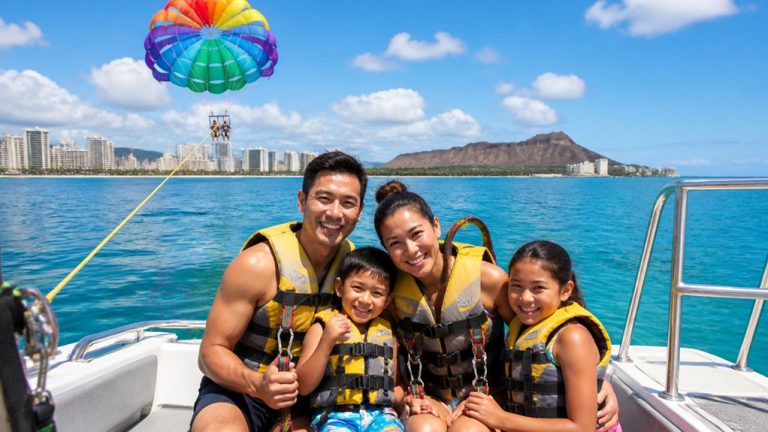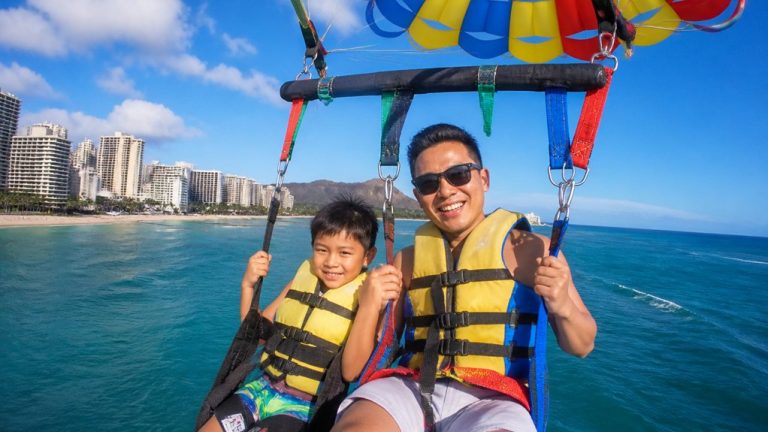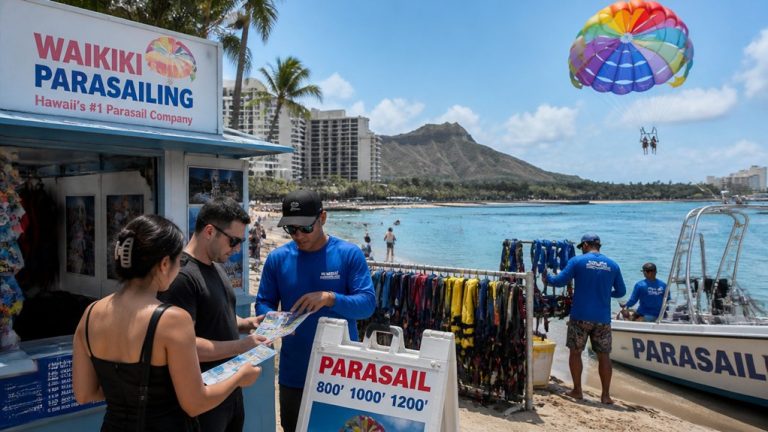

You might think one mai tai on Waikiki Beach won’t matter once you’re clipped into a parasail, but crews often see it differently. Before the boat even leaves the dock, they may watch how you walk, talk, and balance in the salt breeze and engine hum. If you seem off, your flight could end before it starts, and the rules get more costly from there.
Key Takeaways
- Usually no; Waikiki parasailing crews may deny boarding if you appear impaired during dockside check-in or the safety briefing.
- Many operators ban alcohol on the boat, including open containers and glass, and the captain’s safety decision is typically final.
- Stop drinking well before your trip; a common rule is staying dry for 12 hours because screening often starts 20 to 30 minutes early.
- Alcohol raises parasailing risks by worsening balance, judgment, reaction time, motion sickness, and nausea on slick decks and rougher water.
- If you’re denied after loading, some companies may treat it as a no-show, charge fees, or keep your payment.

Parasailing Experience in Waikiki, HI
Experience the thrill of Oahu parasailing on this unforgettable 1-hour adventure from Waikiki. Soar up to 1,000 feet above the stunning south shore of...
Can You Parasail After Drinking in Waikiki?

Usually, no, you shouldn’t plan to parasail after drinking in Waikiki. Parasailing in Waikiki looks breezy and easy from the beach, but crews treat alcohol like a real safety problem. Many boats ban alcohol onboard, and staff may stop you if you seem impaired. They look for slurred speech, shaky steps, or that telltale beer smell while you check in, show ID, sign waivers, and listen to the safety briefing. That screening often happens before you even leave the dock. Even when an operator allows a limited drink later, having one before or during the trip can still get you a no-go. Waikiki operators often follow alcohol rules that prioritize passenger safety and captain discretion. If they turn you away, expect no-show rules, possible reschedule fees, or even lost payment. Not the vacation magic you planned today.
How Long Before Parasailing Should You Stop Drinking?
Skip the mai tai the night before if you want the smoothest start to your Waikiki parasail trip. In Waikiki, crews screen riders about 20 to 30 minutes before launch, so you should stop drinking well before then. A rule is 12 hours dry before you fly. Even one mai tai at lunch can linger when the boat begins to bounce outside the reef, especially during wet-deck boarding and harnessing.
US Coast Guard rules treat impaired operation as a serious safety issue, and Hawaii parasailing regulations can lead crews to deny boarding if alcohol seems to affect your judgment or balance.
That early cutoff protects your Parasailing Experience in Waikiki and your wallet. If a captain notices slurred speech, wobbling, or that bar smell, you can be refused boarding and treated like a no-show, sometimes with a $20 to $50 reschedule fee. After you land, wait 2 to 3 hours before your next drink again.
Why Does Alcohol Make Parasailing Riskier?
After a drink, you might feel fine on shore, but a slick Waikiki deck and a snug harness quickly test your balance and coordination. Once the boat starts bouncing past the reef, alcohol can turn a little sway into real dizziness and nausea, and the ocean won’t wait while you find your sea legs. It also slows your judgment and reaction time, which is why crews watch for wobbling or slurred speech at check-in and may send you right back to the beach. Knowing what to expect in Waikiki can help you spot these risks before you ever step onto the boat.
Impaired Balance And Coordination
Even before the boat leaves the dock, alcohol can make parasailing riskier because it throws off the balance and coordination you need most. On a wet deck, you have to step carefully, clip into a harness, and walk toward the chute without slipping. Even one moderate drink can slow your reaction time and blur your sense of where your body is in space. Once you’re outside the reef, the boat can bounce and shift with weather conditions, and staying steady gets harder fast. Crews notice the little tells during check-in. Wobbly footing, unsteady steps, or slowed speech can mean no flight that day. Waikiki operators often include parasailing safety screening before launch, especially when ocean conditions are less predictable. That’s why many operators want you alcohol-free for at least 12 hours, so your sea legs are actually your own out there.
Parasailing Experience in Waikiki, HI
Experience the thrill of Oahu parasailing on this unforgettable 1-hour adventure from Waikiki. Soar up to 1,000 feet...

Waikiki Glass Bottom Boat Cruise
Experience the beauty of Oʻahu South Shore as we sail toward Lēʻahi (Diamond Head) aboard the spacious Haleiwa Qu...
Worse Motion Sickness
Balance problems are only part of the story. Alcohol also makes motion sickness more likely, which matters a lot on Oahu parasailing trips. Even one mai tai can dull your balance and disrupt your inner ear, so the speedboat’s bounce outside the reef feels sharper, stranger, and harder to handle. You may notice the slap of waves, the engine’s growl, and the wet deck underfoot all at once. That sensory mix can turn a little queasiness into real nausea fast. If you already deal with motion sickness, alcohol can make symptoms hit sooner and feel more intense during the boat ride and ascent. Once you’re clipped in and rising, changing angles and vibration can stir up vertigo even more. That’s one reason operators expect sobriety and may refuse anyone who seems impaired. It’s not about spoiling your vacation fun. It’s about making the ride feel thrilling, not miserable.
Slower Judgment And Reaction
While parasailing looks easy from the sand, the tricky part often comes in the quick moments when the boat rocks, the deck stays wet, and the crew needs you to move on cue. Alcohol can throw off your balance and give you slower judgment and reaction right when you’re stepping onto a slick deck and clipping into a harness. Even one drink can dull your timing as the boat shifts. Outside the reef, the bounce and engine vibration can make you woozier and less steady. That matters because parasailing runs on fast changes and clear instructions. If the crew says sit, stand, or hold, you need to respond now, not a beat later. Following a safety checklist before launch helps crews catch problems early, but alcohol can still make you a risk once the boat is moving. Staff spot wobbling, slurred speech, and unsteady steps, then refuse boarding.
How Do Waikiki Parasailing Crews Check Sobriety?
How do Waikiki parasailing crews figure it out? Usually, they start during dockside check-in, about 20 to 30 minutes before launch, well before you step toward the chute. On a Waikiki parasailing trip, staff often pair your ID and waiver review with quick visual checks. They notice slurred speech, wobbly steps, glassy eyes, and that unmistakable boozy breath. During the safety briefing, they may remind everyone that impaired passengers can’t fly. Then they keep watching. Even lifejacket fitting becomes a quiet balance test, as the crew sees whether you stand steady and follow simple instructions. If something feels off, the captain or crew can deny boarding right there on the dock. That call is usually final, much like missing your scheduled trip that day. Your parasailing waiver in Hawaii also reinforces that the crew can make safety decisions if they believe a passenger is impaired.
Can You Bring Alcohol on a Waikiki Parasail Boat?
Even if you’re picturing a sunset beer on the water, most Waikiki parasail boats don’t allow alcohol onboard. If you bring your own drinks, crews usually stop them at check-in. Open containers are rarely welcome, and glass is almost always out because docks get slick, boats rock, and bare feet appear everywhere. Parasailing runs on simple safety rules.
If you’re wondering about bringing your phone, ask first, because phone policies can vary even when alcohol is off-limits. While you sign waivers and buckle into a life jacket, they watch for slurred speech, wobbly steps, and that too-loud vacation grin. A few operators may offer a limited post-flight drink, often one canned beer, but that doesn’t mean sipping during the trip. When in doubt, save the cheers for shore and enjoy the salt air instead.
Still comparing Waikiki Parasailing Safety And Eligibility?
Ask for tour ideas, hotel suggestions, or a simple trip plan that combines both.
Trip Helper
What Happens If You’re Denied Boarding?
That no-drinks rule doesn’t end at the bag check. In Waikiki, staff may clock alcohol impairment during check-in, often 20 to 30 minutes before launch, while they chat, check IDs, and watch how you stand or walk. If you slur, wobble, carry an open container, or seem plainly drunk, you can be denied boarding at the dock or during the safety talk. The captain usually makes the final call, and it’s rarely up for debate. Operators may also point to safety rules and inspections when refusing anyone whose condition could affect launch, harnessing, or landing. Once that happens, you generally won’t hop on a later chute or slot. You’re done for that trip. You might get a refund or a reschedule, but some operators treat it like a no-show and charge about $20 to $50 per person, plus surcharges after the boat starts loading.
What Waikiki Parasailing Rules Affect Eligibility?
Before you hear the boat engine hum off Waikiki, you’ll need to clear basics like age and weight limits, which help the harness fit right and keep the flight balanced. You’ll also face a quick sobriety check at check-in, and if your speech slurs, your balance wobbles, or alcohol’s obvious, the crew can stop you before you reach the chute. Medical restrictions matter too, so if you’ve got a condition that doesn’t mix well with wind, lift, and a snug harness, it’s smart to check the rules before you show up in flip-flops. Many operators also cover these requirements in a Parasailing FAQ before your Waikiki flight.
Age And Weight Limits
Most Waikiki parasailing trips look breezy from the beach, but age and weight rules decide who actually gets clipped into the harness. Parasailing Companies usually set a minimum age, often 5 and up for the boat, and if you’re under 18, your parent or guardian must be there to sign before you board. Many operators fly tandems or triples, not solo riders, so a child must also fit the pairing rules and total weight range. Weight caps matter for balance, takeoff, and the fit of the harness itself. At check-in, the crew may test your lifejacket and harness fit and watch how you move. Even if you meet the numbers, they can still turn you away. Observers may face fewer rules, though boat limits apply. Some Waikiki operators also enforce maximum weight limits that can change with wind and sea conditions on the day of your flight.
Sobriety And Medical Restrictions
Picture the dock check-in, and you’ll see sobriety matters almost as much as your swimsuit. About 20 to 30 minutes before launch, crew members may watch for slurred speech, wobbly steps, or that unmistakable beer smell, and they can deny boarding even if your ticket never mentions alcohol. Need to Know: many Waikiki operators also ban alcohol on the boat, plus open cans and glass. That rule makes sense once the deck gets wet and the ride starts bouncing outside the reef. Drinking can throw off your balance, slow reactions, and stir up motion sickness. Medical limits matter too. Pregnancy, heart issues, recent surgery, and some back, neck, or mobility problems can require clearance. In Waikiki, pregnancy restrictions are commonly treated as a firm safety policy rather than a case-by-case judgment. Even with waivers or parental consent, same-day screening wins out.

Oahu: Atlantis Submarine Adventure in Waikiki
Explore Waikiki’s marine mysteries as you dive more than 100 feet underwater in an air-conditioned, eco-friendly...
What Does Hawaii Law Mean for Guests?
A parasail boat in Waikiki may look like a breezy vacation detour, but the rules on board are tighter than they seem. Around Waikiki Beach, operators follow Coast Guard based safety standards and often add stricter conduct rules. That means you can be turned away if staff suspect you’re drunk, even though you aren’t steering the boat. Captains have final say. Your waiver may also let the company treat a refusal after loading like a no show. Safety briefings often ban or strongly discourage alcohol, and slurred speech, wobbling, or poor balance can stop boarding fast. Federal and industry practice backs that up because intoxication can disrupt harnessing, towing, and communication. Staff can block under 21 guests with alcohol or anyone carrying illegal drugs. In Hawaii, parasailing liability waivers and operator insurance rules can also affect what happens if a guest is denied boarding after drinking.
What Should You Do Instead If You’ve Been Drinking?
If you’ve already started on mai tais, give parasailing a pass and wait until you feel fully sober. Waikiki crews can deny boarding at check-in for slurred speech, wobbling, or that unmistakable alcohol smell, so stay dry and save the flight for later. If you plan to rebook, plus-size travelers may also want to ask about weight limits and harness fit before choosing a new time.
| Option | Why | Note |
|---|---|---|
| Watch shore | Fun views | Free |
| Observer ticket | Join boat | Ask first |
| Rebook morning | Calmer loading | Fees apply |
Check your timing too. A smart rule is no alcohol for 12 hours before you go, then wait 2 to 3 hours after landing before your next drink. If the boat gets bouncy outside the reef, booze can worsen nausea fast. Many operators also sell ride-only spots, or observer seats, but ask ahead, since some treat alcohol denials like no-shows and charge reschedule fees.
Frequently Asked Questions
Can Hangover Symptoms Affect Parasailing Even Without Current Intoxication?
Yes, hangover symptoms can affect parasailing even if you aren’t currently intoxicated. You may struggle with balance, coordination, reaction time, and nausea, while Hydration concerns can worsen lightheadedness, motion sickness, and unsafe boarding or takeoff.
Do Seasickness Medications Interact With Alcohol Before Parasailing?
Yes, you can trigger interactions. Medication Warning: if you mix seasickness meds like meclizine or dimenhydrinate with alcohol, you’ll worsen drowsiness, balance problems, and slow reactions, and crews may deny your launch if you seem impaired.
Can a Sober Friend Use My Booking if I’M Ineligible?
Like a lifeline, maybe, you can’t assume your sober friend can use your booking if you’re ineligible. Operators often tie reservations to you, require Crew Eligibility Checks, and may allow transfers only if you call immediately.
Are Morning Parasail Trips Safer for Guests Recovering From Nightlife?
Yes, you’ll usually get safer morning trips because weather wind conditions are calmer, which means smoother towing and less motion sickness. But operators can still deny you if you show any impairment at check-in there.
Should You Tell the Crew About Medications or Dehydration?
Yes, you should tell the crew about medications, dehydration, and symptoms before launch. Emergency disclosure helps them judge your safety, adjust plans, or delay your flight. If you hide issues, you risk denial or getting sick.
Conclusion
Waikiki looks easygoing, but parasailing runs on clear heads and quick checks. You might think one beach cocktail won’t matter if you feel fine. Crew members can still spot it, and they can turn you away at the dock. Save the mai tai for after you land. You’ll step onto the boat steady, hear the towline snap tight, and watch Diamond Head open wide without risking your spot, your money, or your morning at all.
Parasailing Experience in Waikiki, HI
Experience the thrill of Oahu parasailing on this unforgettable 1-hour adventure from Waikiki. Soar up to 1,000 feet above the stunning south shore of...
Waikiki Glass Bottom Boat Cruise
Experience the beauty of Oʻahu South Shore as we sail toward Lēʻahi (Diamond Head) aboard the spacious Haleiwa Qu...