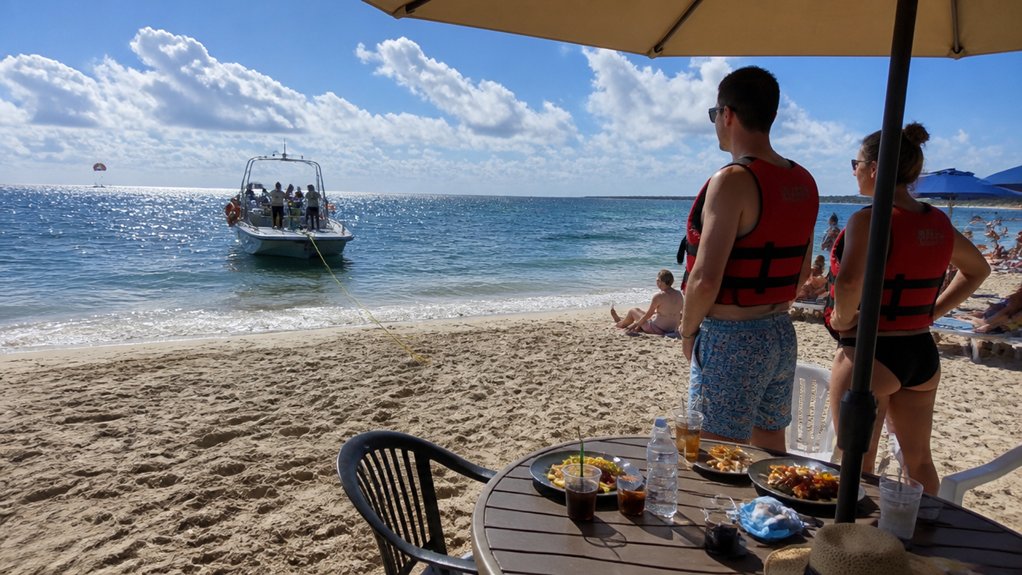
If you’re choosing a parasailing time in Myrtle Beach, lunch can be a useful dividing line. Before noon, you’ll often get lighter winds, smoother water, and a quieter boat ride as the shoreline glows in clean morning sun. After lunch, the breeze may kick up, the ocean can slap louder against the hull, and the views turn bolder. So which window actually fits your trip best?
Key Takeaways
- Before lunch is usually best because winds are lighter, water is smoother, and takeoffs and landings feel calmer.
- The smoothest parasailing often happens from 7 to 10 a.m., before daytime heating increases chop and wind.
- After lunch, winds can freshen, seas may get choppier, and operators may pause or shift flights if conditions change.
- Afternoon flights can still work, especially around 2 to 4 p.m., if you want a breezier, more lively ride.
- Book ahead to secure morning slots and choose an operator with flexible rescheduling because weather always has the final say.
Is Parasailing Better Before or After Lunch in Myrtle Beach?
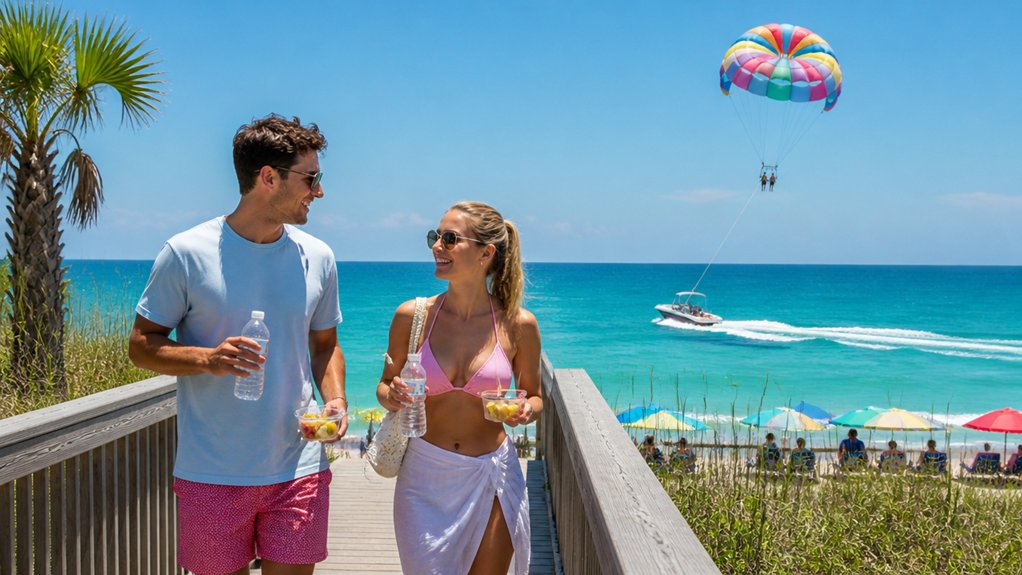
Why do so many Myrtle Beach parasailing crews nudge you toward a before-lunch slot? You want the simplest answer: your best time to parasail often depends on weather conditions and time of day. After lunch, things can turn more changeable. Winds may freshen. The sea can chop up. That can affect ride smoothness and even the schedule for boat rides.
If you’re choosing between earlier and later, think about flexibility and feel. An after-lunch departure might work beautifully, or it might face a delay if conditions shift fast along the beach. In places known for windy weather, parasailing tours sometimes cancel when conditions become unsafe, which is one reason earlier windows can feel less risky. You don’t need a crystal ball, just a plan. Reserve early so you can target the window you want and still have room to reschedule if Myrtle Beach weather gets moody that day.
Why Morning Parasailing Is Usually Best
If you head out between about 7 and 11 a.m., you’ll usually catch lighter trade winds, glassier water, and a takeoff that feels calm instead of splashy. You’ll also get cooler air and a gentler ride, with the soft turquoise sea below you looking almost polished. Bring your camera, because morning light gives you cleaner color and kinder contrast, and you won’t have to squint like it’s a contest. If the trade winds start building later in the day, the ride can feel bumpier and the water less calm.
Calmer Winds And Water
Because the day hasn’t heated up yet, parasailing is usually smoothest from about 7 to 10 a.m., when the trade winds stay lighter and the bay or ocean often looks almost glassy. That weather window gives you calmer winds, so your takeoff feels gentler and your landing does too. You’re less likely to bounce through the tow or wait while the crew tweaks the launch. On bays, the surface can look like blue satin, which helps create a smooth ride instead of a jolty one. This parasailing time brings fewer surprises from building afternoon chop, spray, and condition changes. In Waikiki, morning parasailing is especially popular because the beaches and offshore water are often at their calmest early in the day. In the morning, you can settle into the harness, hear the boat hum below, and enjoy the view without feeling like the ocean had coffee.
Cooler Air Better Photos
While the air still feels cool, your photos usually look better too. Morning light softens the sky and turns the water that glassy turquoise you want from parasailing shots. If you book parasailing on the first boat, you often get steadier takeoffs, clearer distance, and fewer pauses because weather can change later. That’s a small detail with big payoff. In Waikiki, golden hour photos can look beautiful too, but morning parasailing is usually the more reliable choice for calmer conditions and clearer shots.
- Cooler air cuts heat shimmer, so your phone catches sharper horizons and cleaner color.
- Early time slots feel calmer at launch and landing, which helps you hold steady.
- Softer morning light flatters faces and keeps bright clouds from blowing out.
- Lighter trade winds mean the crew adjusts less, and your ride feels smoother.
- Busy weekends sell out fast, so booking early saves your photo time.
Still comparing Parasailing Tickets?
Ask for tour ideas, hotel suggestions, or a simple trip plan that combines both.
Trip Helper
Should You Book Parasailing Before Your Trip?
You should book parasailing before your trip if you want the best shot at those quiet 7 to 10 a.m. slots, when the water looks glassy and the photos come out soft and bright. Operators can fill fast, especially on busy weekends, so waiting can turn a fun idea into a quick “sorry, we’re full.” Still, weather has the final word, so it helps to reserve with an operator or platform that lets you reschedule if the wind picks up or the sky stops cooperating. You can also keep an eye on Weather.gov for official Honolulu forecast updates before your scheduled flight time.
Reserve Early For Availability
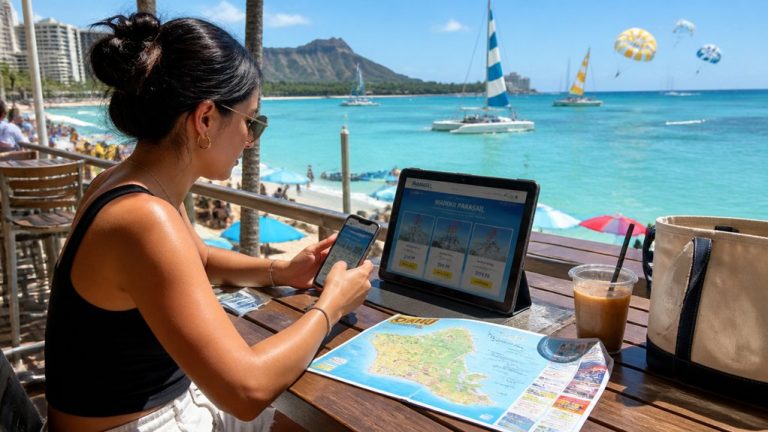
If your trip falls on a busy weekend, book parasailing before you even zip the suitcase. Book parasailing ahead, and you won’t waste beach time calling around. Popular operators offer only so many departures, and slots fill fast when the marina gets lively. When you reserve early, you can often choose a scheduled flight, like a calm 7 to 9 a.m. window, instead of settling for whatever survives day-of demand. Before confirming, review booking tips so you can compare departure times and availability with fewer surprises.
- Lock your preferred hour.
- Avoid sold-out surprises.
- Match plans to breakfast, not guesswork.
- Improve your odds, even if some trips open later.
- Arrive ready to fly, not negotiate dockside, while other travelers pace in flip-flops and ask the crew whether anything opens after lunch or tomorrow morning for their dates on a whim again.
Weigh Weather Flexibility
Because the sky calls the shots, the smartest parasailing reservation isn’t just early, it’s flexible. If you book before your trip, you can usually grab morning slots, often around 7 to 9 a.m., when the water looks smoother and the breeze behaves. That matters, because operators run only when wind cooperates, and lightning means you never fly. Afternoons can turn choppy fast, with trade winds spiking and plans changing by the hour. In Waikiki, weather cancellations often come down to wind, rain, or the need to reschedule for a safer window. You can wait and try booking after you arrive, and you might still find space within a day or two, but it’s less certain on busy dates. Build in weather flexibility by choosing free cancellation/rescheduling. Then you can chase the calm blue window instead of arguing with the forecast from the dock below.
How Wind and Weather Can Change Your Time
Often, the clock for parasailing answers to the weather more than your reservation. On your parasailing trip, trade winds can freshen after lunch and turn a calm glide into a livelier boat ride. That sounds fun, but weather can change fast near shore.
For parasailing, the weather often keeps the real schedule, especially when afternoon trade winds wake up near shore.
- Winds may speed climbs.
- Gusts can delay takeoff and landing.
- Crews watch forecasts and wind shear.
- Choppy water may shorten towlines.
- Lightning stops every flight.
A quick safety checklist review can also help you know why crews may pause or adjust launches on Waikiki beaches. You might launch earlier, later, or from a more protected spot if conditions shift. Even with bright views, captains may hold the line until the surface settles. If thunderstorms start building, your slot can vanish like sunscreen on a swim deck. That’s why a tidy schedule can get slippery, even when the sky looks postcard perfect.
When Afternoon Parasailing Is Worth It
When you want the breeziest lift, an afternoon slot can be the sweet spot, especially from about 2 to 4 p.m. You’ll often get stronger trade winds, a faster climb, and a longer glide, which makes afternoon parasailing a more thrilling ride. Water can look bluer too, with sharper reef and shoreline contrast. In Waikiki, the best season for parasailing can also affect how reliable those afternoon trade winds feel.
| Perk | Tradeoff | need to know |
|---|---|---|
| Breezier lift | More spray | Bring sunscreen |
| Breathtaking views | Schedule shifts | Check weight limits |
If you like lively conditions, you’ll enjoy the punchier takeoffs and landings. Just stay flexible. Operators may pause flights if winds spike, especially near funneled areas. Pack sun protection and a light layer. Even with the dynamic feel, safety briefings still matter, and comfort can vary by location from place to place daily.
What Time Is Best for Parasailing Photos?
Photo goals should set your parasailing clock. If you want the bluest water and crisp reef lines, book parasailing from 11 a.m. to 1 p.m. You’ll usually get peak clarity over the stunning coastline.
- Pick 7 to 9 a.m. for softer color, glassy water, and calm frames.
- Choose late morning for bold contrast, brighter blues, and extra spray.
- Aim for 4:30 to 5:30 p.m. for warm copper reflections and sunset drama.
- Arrive 30 minutes early, because small things about parasailing affect great shots.
- Bring sunglasses with a strap so your Parasailing Experience stays focused on photos.
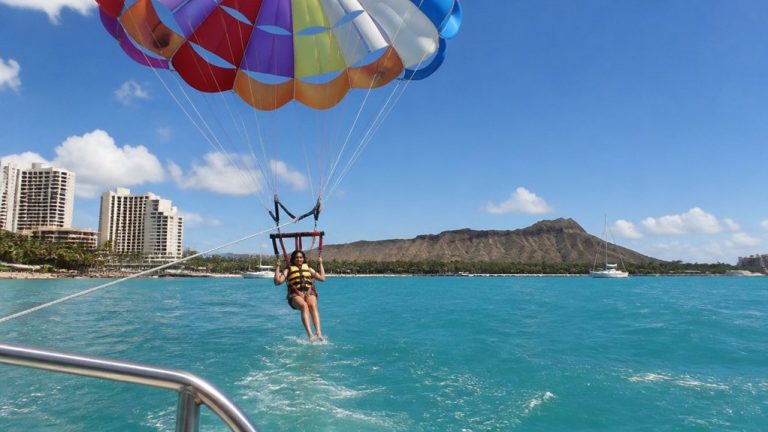
Morning rides also feel smoother and less crowded, which helps you hold steady, while midday can bounce more and create action shots if you don’t mind a little splash. From the air, Diamond Head often stands out most clearly when visibility is high, making late morning especially rewarding for iconic Waikiki shots.
Which Parasailing Time Fits Your Group Best?
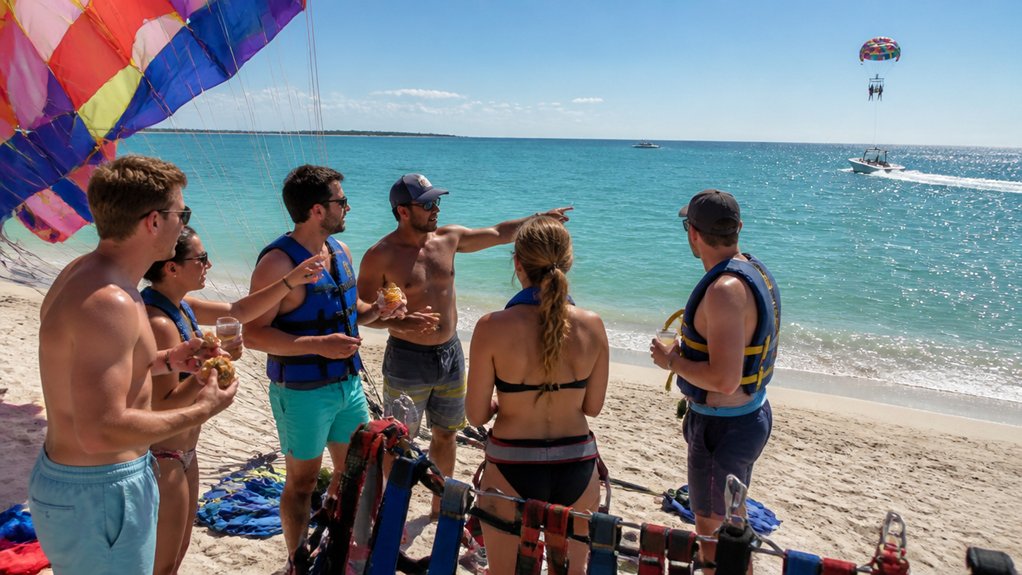
Because every crew wants something a little different, the best parasailing time depends less on the clock and more on who’s on the boat. If you want calm water and a smooth takeoff, choose early morning, when the sea looks glassy and the dock feels quieter. Mid-morning suits families and groups best, especially if you’ve got nervous first-timers who’d rather ease in than white-knuckle lunch. Book tandem flights and shorter tow times. If your crew cares about color and camera shots, late morning to early afternoon brings bright blue water and crisp reef lines. For a breezier rush, go later, but expect more chop and possible weather pauses. And if you want light on faces and shoreline, golden hour gives you that soft, postcard glow. Most Waikiki flights keep you in the air for around 8 to 10 minutes, so timing matters more for conditions and comfort than for the length of the ride itself.
Frequently Asked Questions
What Should You Wear for Parasailing in Myrtle Beach?
You should wear a swimsuit under shorts and a T-shirt; prioritize Swimwear choice, sun protection, footwear requirements, layering tips, and lifejacket fitting. You’ll want strapped sunglasses, reef-safe sunscreen, removable shoes, and a light jacket too.
Are There Age or Weight Limits for Parasailing?
Yes, you’ll face age and weight limits, plus medical safety screening, booking requirements, weather suitability checks, height clearance rules, and a passenger waiver; operators typically require riders be at least 5 and stay within harness limits.
Can Non-Flyers Ride on the Parasailing Boat?
Yes, you can ride along as a non-flyer, because apparently applause needs front-row seats. Ask ahead about passenger safety briefing, tandem options available, boat seating comfort, landing procedures explained, and group coordination tips; space isn’t guaranteed.
How Long Does a Typical Parasailing Trip Last?
You’ll spend about an hour parasailing; flight duration basics mean you’re aloft 6–10 minutes, while briefing timing and your check in window add prep. Splashdown schedule stays quick, and turnaround estimates can stretch with extras.
Should You Take Motion Sickness Medicine Before Parasailing?
Yes, if waves turn your stomach into a roller coaster, you’ll likely benefit from motion-sickness medicine before parasailing; check consultation timing, follow hydration tips, use seasickness prevention, review medical considerations, and heed the safety briefing.
Conclusion
If you want the smoothest lift in Myrtle Beach, book before lunch and let the morning do the work. You’ll hear the boat hum, see flat blue water flash below, and feel the harness settle without the extra bounce. Still, don’t rule out the afternoon just yet. A later flight can bring brighter color and a little more kick. The trick is knowing which surprise you want waiting above the shoreline, right before takeoff begins.