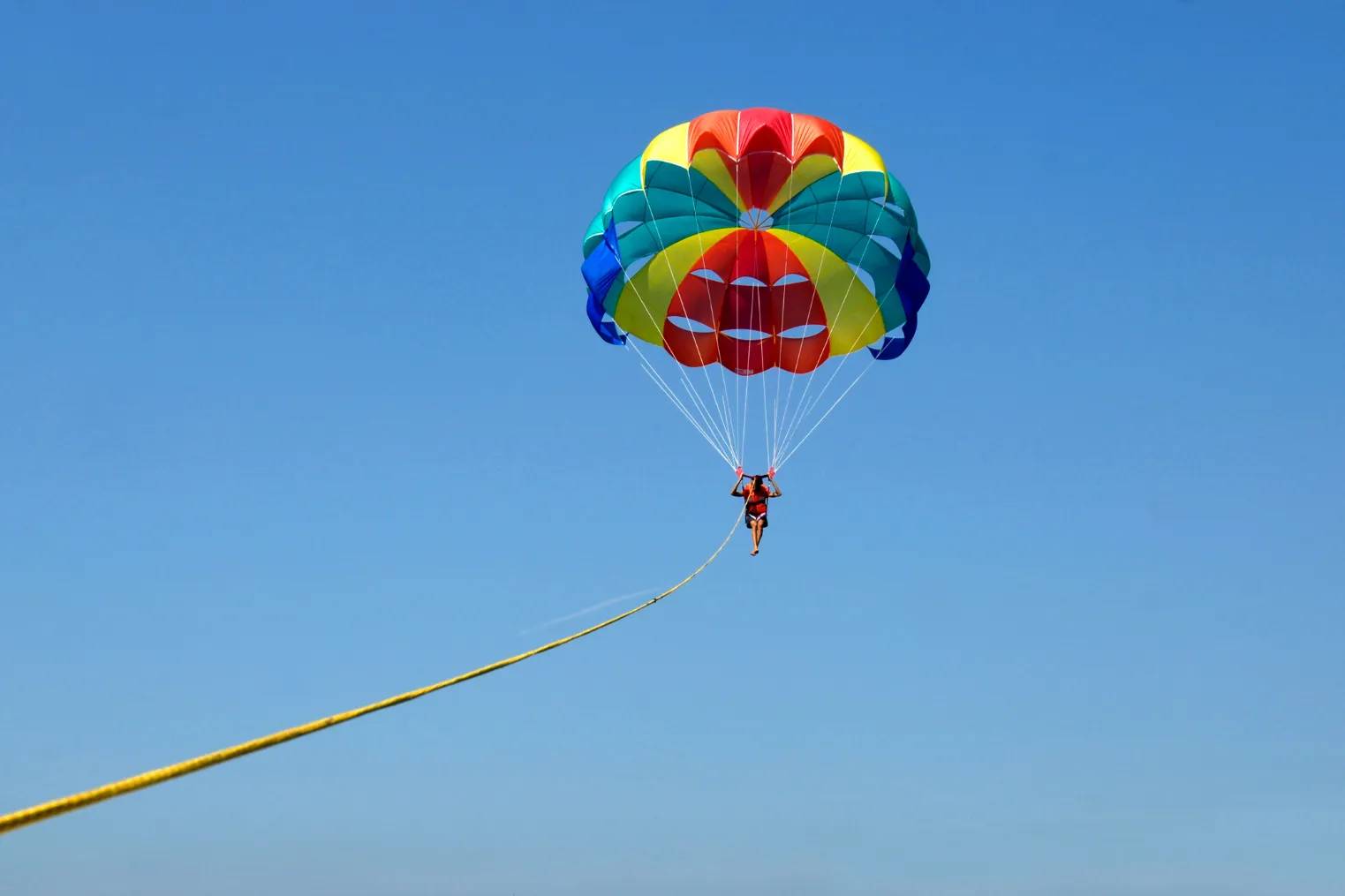
You’re about to clip into three pieces of gear that decide whether your parasail feels silky or sketchy: the harness, the towline, and the winch. Before you pay $80 to $150 and step past the dock crowd, you’ll want to know what a snug strap fit looks like, how to spot a fuzzy towline, and why a smooth winch matters on payout and pull-in. Bring sunscreen and a dry bag, skip loose hats, and check those “verified” Viator tours for hotel pickup and free cancellation, then ask one question that most crews hate…
Key Takeaways
- A properly fitted step-in harness sits snug on hips and thighs, with a centered spreader bar to keep lines apart and level.
- Before launch, click-check buckles and locked carabiners, locate quick-releases, and practice the release motion once with crew.
- Towlines are typically 500–800 feet; slight stretch damps gusts, but excessive stretch can cause bouncy takeoffs and jerky lift.
- Inspect towlines for fuzzy abrasion, shiny glazing, hard lumps, broken fibers, stiff crackly feel, and kinks near clips and splices.
- A safe winch spools evenly, has calibrated torque and featherable brakes, and ramps tension smoothly over 10–20 seconds using sensor-guided controls.
How Parasailing Gear Connects (Clip Points)
Clip in, check twice, and you’ll feel the whole setup make sense in seconds. You’ll step to the stern where the crew shows the towline hardware, then you connect at the marked anchor points with a solid click. Look for clean metal, no salt crust, and pins fully seated. Ask to see the quick releases and practice the motion once, even if you never use it. Before you launch, confirm the crew’s parasailing safety briefing covers how your harness, clips, and towline work together. On busy beach runs, you might wait 15 minutes while others clip out, so pack water and a dry pouch, skip dangling jewelry. Expect $60–$120 for a standard flight. If you book a Viator tour, choose one with verified reviews, hotel pickup, free cancellation, and reserve now pay later to lock a morning slot before the wind builds.
Parasailing Harness: Straps, Spreader Bar, Comfort
Step into the harness and you’ll feel right away whether the ride will be breezy or a slow pinch. The best setups cradle you like a patio swing, with thick seat padding and wide leg straps that sit flat, not twisted. Adjustments should glide smoothly, so you’re not fumbling while the boat idles and other flyers watch. A sturdy spreader bar keeps lines apart and your hips level, which matters once you’re 10 minutes aloft. Before you clip in, ask how often the parasailing gear is inspected and what safety rules they follow for Waikiki winds and waves. Most operators cycle riders every 8 to 12 minutes, so comfort counts. Wear quick dry shorts, skip bulky belts, and stash your phone in a lanyard pouch. Budget $60 to $120. Booking ahead on Viator, with verified reviews, free cancellation, and reserve now pay later, can trim dockside waiting.
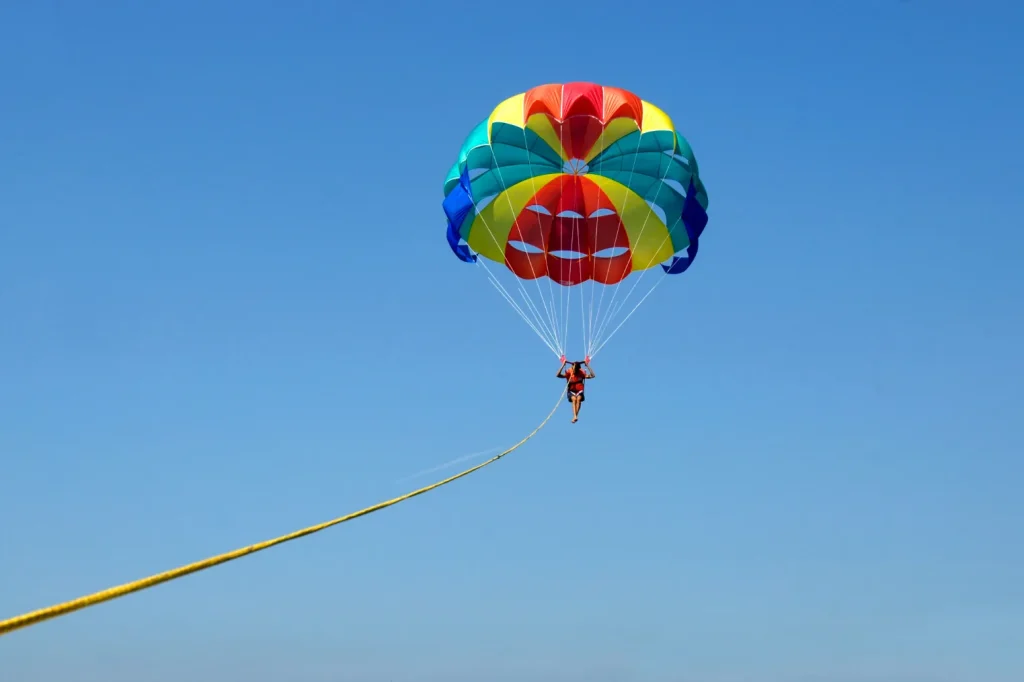
Parasailing Harness Checks Before Takeoff
Before the boat throttles up and the deck gets loud with flapping lines, take 60 seconds to do a quick harness check with the crew.
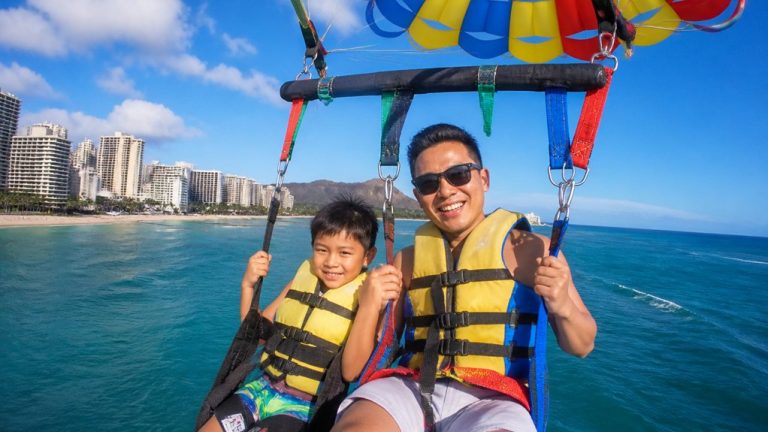
Start with harness fitment: snug at hips and thighs, no twisting straps, and the spreader bar centered. Tug each buckle until it clicks and lies flat, then have the crew double-check your carabiners are locked and facing out.
Run a simple pre flight checklist: remove loose hats, empty pockets, tighten sunglasses with a retainer, and stash phones in a dry pouch. Bring water, skip heavy backpacks. If the dock’s packed, ask for a calmer slot. Knowing what to expect from parasailing in Waikiki and how operators focus on safety can make these harness checks feel reassuring rather than scary.
On many Viator tours, verified reviews flag crews that slow down for checks, plus hotel pickup, free cancellation, and reserve now pay later. You’re set.
Parasailing Towline: Length, Stretch, Load Limits
Although the canopy gets all the attention, the towline is what really decides how smooth, high, and safe your ride feels. Most operators run 500 to 800 feet, balancing height and control for wind and speed. A touch of stretch adds dynamic damping, so gusts feel like pulses, not yanks. Too much makes takeoff bouncy. Ask the load limit, and how they log line fatigue on busy afternoons. In Hawaii, operators typically carry specialized parasailing liability insurance that’s designed around towline strength, maintenance logs, and passenger safety procedures. Plan on 8 to 12 minutes aloft, usually $75 to $150. Arrive 30 minutes early, mornings feel quieter too. Bring sunscreen and a small dry bag, skip bulky backpacks.
- You’ll breathe easier with a steady pull.
- You’ll drift higher in clean air.
- You’ll trust crews who quote specs.
- You’ll relax, camera ready.
Still comparing Oahu Parasailing?
Ask for tour ideas, hotel suggestions, or a simple trip plan that combines both.
Trip Helper
Towline Damage Signs (Chafe, Kinks, UV)
When you’re watching the crew clip in the towline, take 15 seconds and scan it like you’d a climbing rope, because the wear shows up in plain sight. Look for fuzzy spots and shiny bands where the line rubs rails or cleats, classic sheath abrasion. Glazing, hard lumps, or broken fibers mean heat damage, ask for a swap. Run your fingers along it. If it feels stiff or crackly, suspect salt and UV degradation. Watch for kinks or tight coils that won’t relax, they can mask internal damage. Check near splices and the first 3 feet from the clip, the busy zone. If the crew shrugs, walk. A solid operator budgets replacements, even on $80 to $150 rides. Bring sun gloves, skip bargains. On crowded Waikiki boats, adding a towline check to your parasailing safety checklist is one of the fastest ways to spot an operator who takes gear maintenance seriously.
Parasailing Winch Parts: Drum, Brakes, Controls
Up on the boat deck, you’ll see the winch drum as the workhorse that neatly spools your towline, so check that it winds smoothly and doesn’t snag when the crew pays out line for takeoff.
Next, you’ll want confidence in the brakes and controls, because that’s what keeps your ascent steady, your height consistent, and your landing calm even if the sea gets choppy.
If you’re booking through Viator, pick a parasailing tour with verified reviews, hotel pickup, free cancellation, and reserve now pay later, then show up 20 minutes early and skip bulky bags so you’re not juggling gear in a crowded marina.
In Hawaii, legitimate operators must follow US Coast Guard safety rules for parasailing equipment and vessel operation, adding an extra layer of oversight beyond a company’s own safety practices.
Winch Drum Function
Picture the winch drum as the calm, steady heart of a parasailing setup, quietly winding and paying out the towline so your launch and landing feel smooth instead of sketchy. In Honolulu’s busy harbor, operators rely on well‑maintained drums to match the steady trade winds that make parasailing in Honolulu so popular and predictable.
You want even wraps and clean edges, plus drum ventilation so heat doesn’t build on a crowded noon run.
A tech checks torque calibration to suit the boat’s pull, keeping tension predictable when the wind shifts.
- You hear the line whisper, and your shoulders loosen.
- You feel steady lift, not a sudden lurch.
- You watch tidy spooling, a sign the crew cares.
- You pack light, skip scarves, bring sunglasses.
Ask for a quick drum look before you pay, often included in $70 to $150 flights.
Arrive 20 minutes early too.
Braking And Control Systems
The drum may handle the smooth winding, but the brakes and controls decide whether that smoothness holds steady once the boat surges or a gust hits. When you’re choosing an operator in Waikiki, look for captains who explain how their safety protocols guide brake use and emergency stops before you ever leave the deck. You want a brake you can feather, not one that grabs, so ask the captain to demo it before you clip in. Good rigs use brake redundancy, a hydraulic brake plus a backup lock, so a slipped hand won’t become news.
At crowded launches, control saves minutes and keeps line tension even when swell builds under you. Watch the throttle and brake rhythm in the first 10 seconds. If you feel jerks, speak up. Bring thin gloves, skip bulky rings. Expect $80 to $150, plus tips. Fine controls also help canopy trim, keeping your ride quiet and steady.
Smooth Winch Payout and Retrieval (Best Practice)
Start your payout slow and steady, and don’t chase speed just to keep a boat-side crowd entertained, it’s your smooth rhythm that keeps the ride feeling airy and controlled. Keep one eye on the line tension like you’d watch a kite string in a coastal breeze, and pack snug gloves and polarized sunglasses while skipping bulky jewelry that can snag. When it’s time to bring them back, you’ll time retrieval with the boat’s wake and the wind shifts, and if you want a simpler plan, a Viator parasailing tour with verified reviews, hotel pickup, free cancellation, and reserve now pay later can lock in the right launch window. Since weather cancellations in Waikiki are often caused by wind or rain, keeping payout and retrieval smooth helps you adapt quickly when conditions change or a reschedule is needed.
Payout Speed Control
When the boat’s moving and the wind’s got opinions, smooth payout speed control becomes the difference between a dreamy glide and a jerky, awkward takeoff. You’ll usually cover safety basics and gear checks during the brief dock check-in before heading out, so you’re ready for a smooth launch once the winch starts to move.
You want the winch operator to ease out line in steady steps, watching your body language and using clear hand signals for control feedback.
Aim for a gentle ramp-up over 10 to 20 seconds, then hold a consistent payout speed as you climb.
- Breathe, keep knees soft, and let the harness carry you.
- Ask for a radio check before launch, it saves yelling.
- Bring sunglasses and a light windbreaker, skip loose hats.
- If the beach is crowded, book an early slot, often $70 to $120.
Book online if you want, but read latest reviews first for weather and timing notes.
Line Tension Monitoring
Smooth payout feels great, but you’ll only keep that buttery lift if the operator watches line tension like a hawk during both payout and retrieval. Ask to see tension sensors on the winch console and a clear display for real time monitoring. When the breeze pulses, you want tiny corrections, not big jerks, so your hips stay comfy in the harness. For extra peace of mind while you’re in the air, confirm that any camera or phone is secured with proper tethers and floaties so loose gear can’t interfere with the towline or winch.
Before you board, pack sunglasses, a dry bag, and a light windbreaker, skip bulky backpacks. In busy marinas, crews rush, so speak up and request a quick tension check before launch. Expect $70 to $140, cash tips help. If timing’s tight, a Viator tour with verified reviews, hotel pickup, free cancellation, and reserve now pay later can streamline check-in. You’ll notice smoother climbs.
Retrieval Timing And Technique
Although the flight feels calm up high, the ride back down depends on the crew nailing retrieval timing and keeping the winch rate steady. You’ll feel the towline ease in as the captain matches rider timing to wind and wake. Follow hand signals, stay seated, and keep your knees soft as the harness slides onto deck. For a water pickup, point your toes, lean back, and let the skim happen. Afternoons crowd up and chop builds, so aim for the first boats by 9, and budget $80 to $110. Bring sunglasses with a strap and a dry bag, skip hats. This smooth return is especially noticeable on big boat parasailing trips off Waikiki, where experienced crews coordinate winch control with the boat’s wake and prevailing tradewinds.
- Hear the winch hum, breathe.
- See retrieval choreography lock in.
- Feel the boat settle, then glide.
- Touch down grinning, salt-kissed
Common Gear Failures and How to Prevent Them
Gear failures can sneak up on you fast, so it pays to know what typically goes wrong before you clip in and head out over that glittering bay. Watch for frayed harness webbing, popped stitching, and carabiners that don’t snap shut, classic signs of material fatigue. Stick to clear inspection intervals in your log, and swap suspect parts early; a new shackle is about $20, a towline is closer to $200. Salt and mixed metals invite trouble, so plan corrosion prevention and use galvanic isolation on dissimilar fittings. On busy afternoons, give yourself five extra minutes for a slow, hands-on check: feel for towline flat spots, spin the swivel, test the winch brake. Learning a few core parasailing terms from a gear glossary makes it easier to spot problems quickly and communicate clearly with your crew about what needs attention.
Rinse, Store, and Retire Parasailing Gear Safely
Always rinse everything the moment you’re back at the dock, before salt dries into a crunchy film that eats stitching and makes metal feel gritty. Use fresh water, a brush, and five minutes; skip harsh soap, it strips coatings. Hang the harness and towline in shade, not on hot concrete, and the fibers relax. Before you head out, keep a tiny dry bag ready with just the essential gear for parasailing in Waikiki, sunglasses with retainers, reef-safe sunscreen, and a snug swimsuit, so your safety kit and comfort items are always staged with your hardware.
- You log hours and loads for lifecycle tracking, so surprises don’t steal a sunset flight.
- You rotate parts for equipment cycling, spreading wear like a traveler spreading miles.
- You bag dry gear with silica packs, $5 at a marina shop, and avoid that sour locker smell.
- You retire anything with fuzzed webbing or bent clips, even if it still works, so fear stays off the deck.
Frequently Asked Questions
What Certifications Should Parasailing Operators and Crew Hold for Equipment Use?
You’ll need FAA certifications if you tow near regulated airspace, plus USCG captain credentials for the boat. You should hold Training certificates for winch/tow operations, CPR/First Aid, and manufacturer equipment training, with documented recurrent drills.
How Does Passenger Weight Distribution Affect Flight Stability and Landing Control?
Just as a gust hits when you lift off, your weight distribution sets the center of gravity; if it shifts, you create asymmetric loading, inducing yaw and roll, making flare timing harder and landings precise.
Can Children or Pregnant Passengers Parasail Safely With Standard Gear?
You shouldn’t let pregnant passengers parasail with standard gear unless a doctor and operator approve; follow pregnancy precautions. You can take kids only if they meet age/weight rules, wear proper fittings, and prioritize children safety.
How Do Weather and Sea State Limits Influence Gear Choice and Operational Decisions?
You choose gear and launch plans by checking wind thresholds and tracking wave height,gust intervals,visibility minimums; if conditions tighten, you shorten towlines, use stronger winch settings, delay flights, or cancel to protect you and crews.
What Insurance and Liability Coverage Is Recommended for Parasailing Businesses?
You should carry general liability for bodily injury/property damage, plus hull insurance for your boat. Add passenger liability, crew workers’ comp, umbrella limits, and professional coverage. You’ll also want waivers, incident reporting, and legal counsel.
Conclusion
You’ll pay $80 to $150 for 10 minutes in the sky, yet the real adventure happens on deck, clipping in and checking every strap. Funny how “just floating” depends on snug webbing, a clean towline, and a winch that behaves. Go early before the marina gets loud and lines stack up. Bring sunscreen, a dry bag, and water. Skip loose jewelry. Book ahead for weekends. You’ll save time, dodge queues, and keep your takeoff calm.