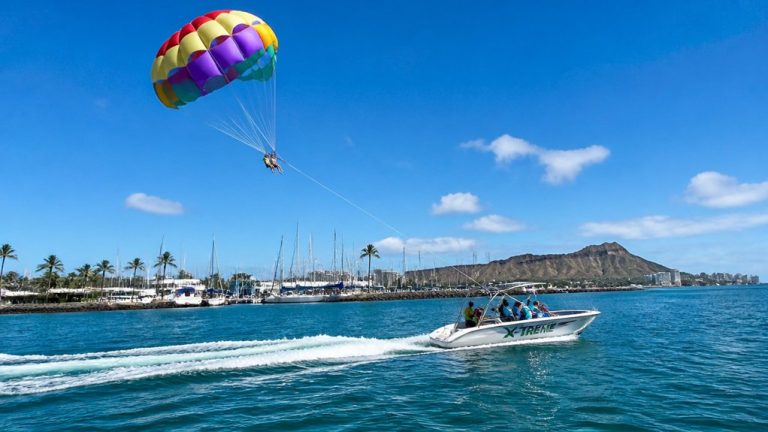
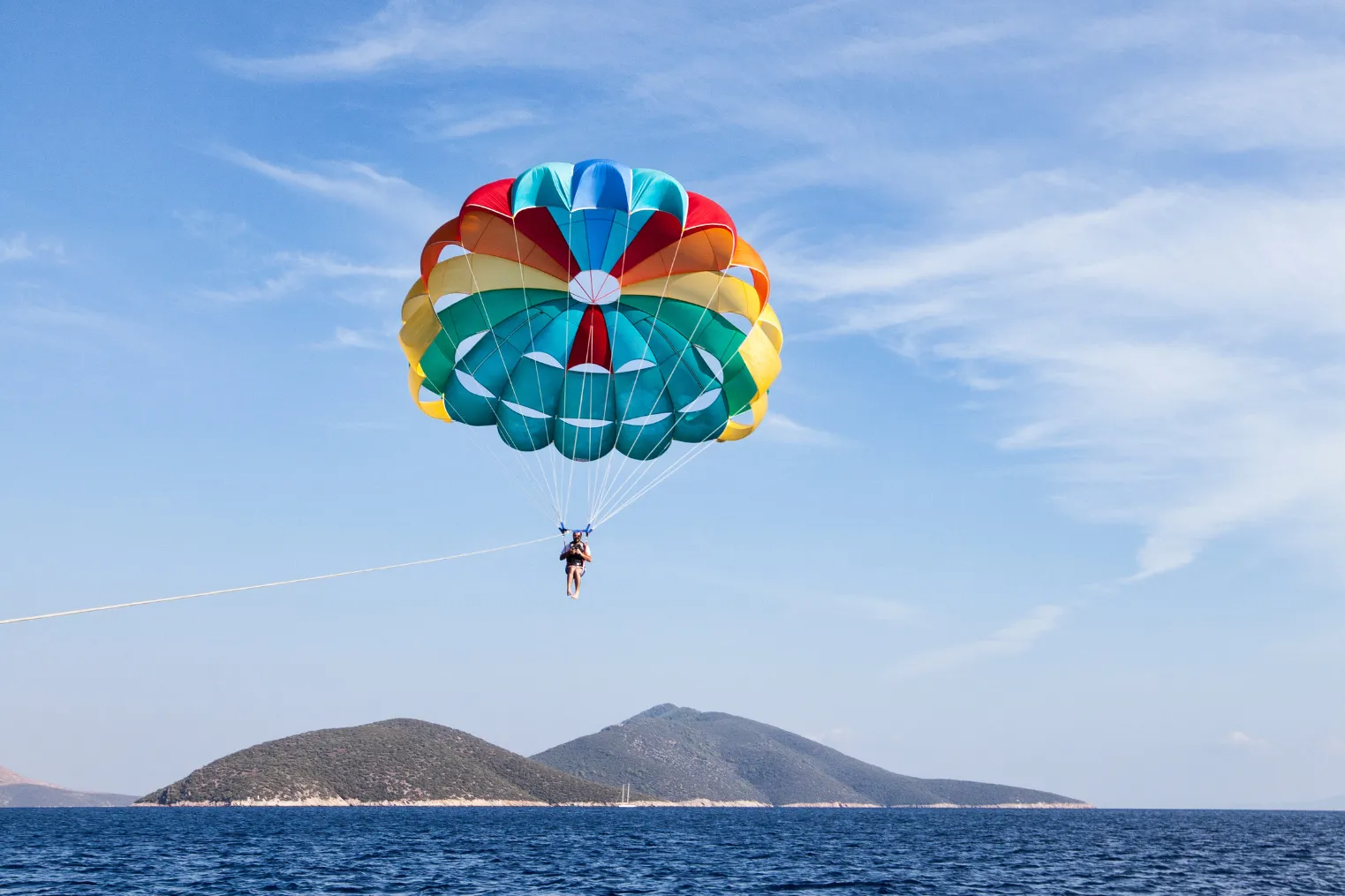
Like Icarus, you’ll chase sky views, but you don’t need to sacrifice your eyesight to do it. If you wear contacts, pop them in at least 30 minutes early, pack rewetting drops, and stash a spare daily pair in a waterproof pouch. If you wear glasses, add a snug floating sport strap and consider wraparound shades for spray. Ask the crew to check your fit before launch, then watch what happens on takeoff…
Key Takeaways
- Glasses and contacts are usually allowed, but expect strong wind and spray during fast takeoff and landing.
- For glasses, wear a snug sports or floating retainer strap and use sturdy plastic frames; leave expensive pairs ashore.
- For contacts, insert them 30 minutes before check-in, bring rewetting drops, and pack a spare daily pair in a dry zip pouch.
- Reduce spray irritation by sitting upwind, keeping your chin slightly down on takeoff, and closing eyes briefly if mist hits.
- Ask the operator about eyewear strap requirements, storage for cases, splash “dip” options, and what liability applies if eyewear is lost.
Can You Parasail With Glasses or Contacts?
Let’s clear this up before you suit up: yes, you can usually parasail with glasses or contacts, but you’ll want to plan for wind, spray, and a fast takeoff. If you’re thinking about also bringing your phone, most operators allow it only if it’s secured in a waterproof case and lanyard, since dropping your phone mid-flight is a common concern.
If you wear glasses, use a snug sports strap and choose plastic frames; leave designer pairs in your bag.
Contacts give you a clear view, but pack rewetting drops and a spare set in a zip pouch.
Most rides run 8 to 12 minutes in the air, after a harness check that follows safety regulations.
Expect $60 to $120, with midday lines longest at beaches.
If you have vision impairment, tell the crew so they can cue you during launch and landing.
Viator tours can lock your slot, with reviews, free cancellation, and pay later.
What Should You Ask the Parasailing Operator First?
Before you hand over your cash, ask the parasailing operator what their eyewear safety policy is, whether straps are required, and if they’ve got a secure spot for your case on the boat during the 60 to 90 minute trip. You should also ask how often their gear is inspected and what safety rules they follow for parasailing in Waikiki, so you know they’re not cutting corners.
Next, get specific about wind and splash: ask when the breeze usually spikes, how often they cancel, and whether takeoff and landing are dry or the splashy kind, so you know if you should bring a hard case and a cheap backup pair and skip loose hats.
If you’re booking through Viator to lock in a quieter time slot, look for verified reviews, free cancellation, reserve now pay later, and hotel pickup so you’re not scrambling at the dock.
Eyewear Safety Policies
Even if the water looks like polished glass and the dock feels laid back, you’ll want to ask the parasailing operator about their eyewear safety policy right away, because rules and expectations vary wildly from beach to beach. Start by checking the safety signage at the kiosk, then confirm it matches what staff tells you. Ask whether glasses are allowed, required to be strapped, or must be stored, and who pays if they’re lost. That last bit ties to operator liability and your waiver, so read the fine print before you hand over $60 to $120. In Hawaii especially, eyewear rules can be shaped by how an operator’s parasailing liability insurance is written, which often affects what they’ll let you wear over the water. If the line’s long, ask these questions while you wait, not at the boat. Bring a hard case and a cheap backup pair, skip loose chains. Book online.
Wind And Splash Precautions
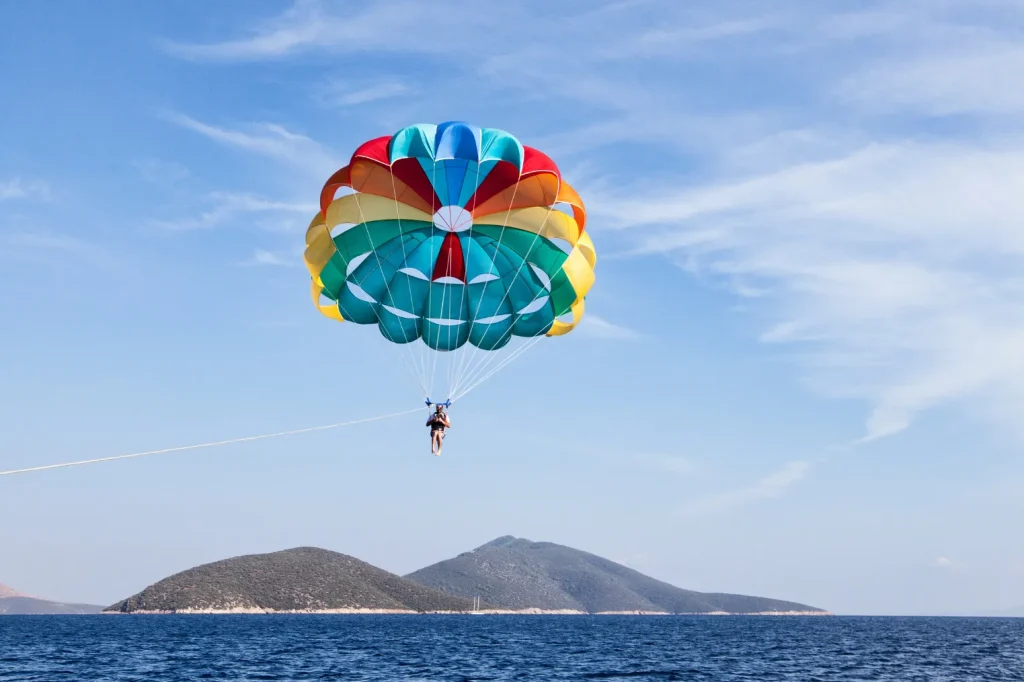
Once you’ve nailed down the glasses policy and who eats the cost if they vanish, shift to the two things that steal eyewear fastest up there: wind and salt spray. Ask what wind speed cancels flights, and whether you’ll get a calmer morning slot before the crowds stack up. Confirm if they offer windproof goggles or let you bring your own. Because gusty conditions can shorten or cancel trips, ask how the crew monitors Waikiki parasailing wind and how often weather forces last‑minute changes. Next, ask about splash guards on the harness and if a “dip” is optional, because that surprise dunk can rinse contacts right out. Pack a snug strap, a microfiber cloth, and spare lenses in a dry pouch. Skip bulky cases.
If you’re booking via Viator, look for verified reviews, free cancellation, and reserve now pay later to lock pickup times near your hotel.
Still comparing Oahu Parasailing?
Ask for tour ideas, hotel suggestions, or a simple trip plan that combines both.
Trip Helper
How Do You Keep Glasses On While Parasailing?
Take a few simple steps and your glasses can stay put from the dock to that breezy glide above the water. Clip on a snug sport strap for tethered retention, then do quick strap adjustments before the crew hooks you in. Ask for a two minute pause at the platform, it’s usually free and keeps you calm. Adding simple tethers and floaties to your phone or camera helps keep photos safe without distracting from the flight.
| Check | Do this | Skip this |
|---|---|---|
| Prelaunch | Clean nose pads, tighten arms | Loose hoodie strings |
| In flight | Keep chin slightly down | Head whipping selfies |
Pack a $5 microfiber cloth in a zip pocket, and leave bulky cases on the boat. If the beach is crowded, go early when wind’s steadier and lines move faster. Choose a crew that briefs clearly; Viator listings with reviews and free cancellation help
Should You Wear Prescription Sunglasses or Clear Lenses?
Glasses secured, your next call is what kind of lenses you’ll trust when the sun hits hard and spray starts sparkling off the wake. On bright midday launches, prescription sunglasses with polarized frames cut glare so you can spot the shoreline and your boat’s signals. They’re also kinder on your eyes during the 8 to 12 minute flight. Bring a slim hard case for the dock, plus a microfiber cloth. If you’re parasailing in Honolulu, factor in the strong tropical sun and plan your eyewear along with what you pack, wear, and plan for the rest of your parasailing day. If you’re going up near sunset, clear lenses keep colors vivid and help in haze, but you’ll squint when the water flashes. photochromic lenses sound convenient, yet they may not darken fully in wind and open light. Skip expensive coatings you’d cry over if they get scratched. Expect to pay $150 to $300 total.
Can You Parasail With Contacts Without Losing Them?
Slip in your contacts, and you can absolutely parasail without watching them fly off into the blue.
Slip in your contacts and parasail confidently, wind may howl, but your lenses aren’t flying off into the blue.
Wind feels dramatic, but lenses sit under your lids, so contact retention is usually solid if your fit is right.
Put them in 30 minutes before check in, let your tear stability settle, and blink a few times while you wait on the dock.
Choose daily disposables, pack a spare pair and a small mirror, and skip fussy makeup that can sting.
If you’re new to contacts, test them on a brisk beach walk first.
Most rides run 8 to 12 minutes and cost about $60 to $120, so you don’t want a midair distraction.
Book an early slot to beat the weekend lines at popular marinas.
If you’re planning to parasail in Waikiki, look for operators that highlight first-time parasailing to keep your contact-wearing flight as easy and stress-free as possible.
How Do You Protect Contacts From Saltwater Spray?
Dodging saltwater spray starts before you even step onto the boat, because once that briny mist hits your eyes, your contacts can feel gritty fast. Choose a seat upwind during the briefing, and keep your chin slightly down on takeoff. If waves slap the hull and the deck gets crowded, close your eyes for three seconds, blink, then look. Don’t rub. If spray sneaks in, rinse with saline solution, then wait a minute before re-centering the lens. If it still stings, swap it out using your contact lens case, with clean hands. For extra peace of mind, review basic parasailing safety tips specific to Waikiki beaches so you’re not distracted by eye discomfort when it’s time to listen to the operator’s instructions.
| Moment | What you do | Why it works |
|---|---|---|
| Pre-launch | Close eyes, breathe | Blocks mist |
| After spray | Rinse with saline | Flushes salt |
Most operators run 10 a.m. to 4 p.m., rides cost about $80.
What To Pack for Parasailing With Glasses or Contacts
Before you clip in at the dock, pack a few protective eyewear essentials so the wind and salt spray don’t turn your view into a blur.
Bring a snug sport strap or floating retainer, plus wraparound sunglasses or clear goggles if the ride’s mid‑day and bright, and skip loose fashion frames that can bounce off in a gust.
You’ll also want backup vision supplies in a small dry pouch, think spare contacts, travel-size solution, a lens case, and a backup pair of glasses, because replacements at the marina gift shop aren’t cheap.
If you’re pairing this with parasailing in Waikiki, choose quick-dry layers and secure swimwear that stay put under a harness so you’re not distracted from keeping your glasses or contacts safe.
Protective Eyewear Essentials
Pack like the wind wants your eyewear as a souvenir. Start with a snug retainer strap or floating eyewear strap, about $8 to $15 at beach shops, and clip it before you step onto the dock. For your phone, consider waterproof phone cases designed for parasailing in Waikiki so you can keep it secure and dry while you’re in the air.
If you wear contacts, choose wind resistant goggles that seal softly and don’t pinch, and add polarized masks for glare when the sun turns the water into a mirror. Toss a small anti fog spray and a microfiber cloth in a zip pouch.
Bring a hard case for the boat ride, plus a brimmed cap you can cinch. Skip loose scarves and bulky sunglasses cases. Arrive 20 minutes early so you’re not fumbling in the crowd. Ask the crew to check your fit, then rinse off salt later.
Backup Vision Supplies
You’ve secured your eyewear and the fit feels solid, but salt spray and gusts can still turn a perfect ride into a squint-fest, so carry a small backup kit. Pack spare contacts in a zip bag with a few single-use saline vials, they’re lighter than a full bottle and won’t leak in your daypack. Add an emergency case, a travel-size hand wipe, and a tiny mirror for quick swaps on the dock. In Hawaii, stash your backups in a waterproof pouch to shield them from saltwater damage that can ruin phones and other gear if waves or spray hit your bag.
Keep a microfiber cloth in a dry pouch, plus a spare strap or retainer. If you wear glasses, toss in a low-cost backup pair, even old frames, because shops near marinas can be pricey and busy. Skip bulky solutions and hard cases unless you’re on a multi-stop tour with sun and grit.
What If You Lose Glasses While Parasailing?
Glasses can slip away fast once the boat throttles up and the wind starts tugging at everything you’re wearing. If you watch them flash into the wake, tell the crew right away so they can mark the spot, but don’t expect a dive recovery. Rinse your eyes with fresh water, then switch to a backup pair or daily contacts you packed in a dry bag. Back on shore, ask the operator about their lost and found and note the tour time, boat name, and guide. For lost frames, file a claim if you used travel insurance or a premium card. You’ll find replacement options at nearby opticians, airport kiosks, or your hotel concierge, and cheap readers can bridge you for dinner until you re-order. Before your trip, check whether your parasailing waiver in Hawaii mentions liability for personal items like glasses, since that can affect your ability to recover costs later.
Frequently Asked Questions
Do You Need a Waiver if You Have Vision Problems?
Yes, you’ll usually sign a waiver even with vision problems, because operators have liability concerns. You should disclose your condition, ask about medical clearance requirements, and bring documentation if requested before you ride today safely.
Can You Parasail if You Recently Had LASIK or Eye Surgery?
You can parasail after LASIK or eye surgery only when your surgeon clears you; respect post op timing. Wind, spray, and harness pressure can irritate healing eyes or dislodge a corneal flap. Wear goggles securely.
Are There Age Restrictions for Parasailing With Corrective Eyewear?
You can parasail with corrective eyewear at most operators’ age limits, often 6–12+; if you’re a minor, you’ll need parental consent and sometimes an adult rider. Check weight, weather, and waiver rules before you book.
What Should You Do if Your Glasses Fog up During the Ride?
Stay calm, breathe steady, act fast: tilt your face into the wind, apply defogger if you’ve got it, then wipe lens with a clean cloth. If fog persists, secure glasses and ask crew to pause.
Can You Bring a Small Dry Bag for Eye Drops or Lens Supplies?
You can bring a small dry bag, but ask the operator first and keep it clipped. Use a waterproof pouch for eye drops, and treat it as medication storage so nothing leaks or blows away.
Conclusion
You can parasail with glasses or contacts if you prep like it’s a day on the water. Up there, you’ll hover about 400 feet above the wake, and a 15 mph breeze can turn spray sharp. Arrive 20 minutes early, pay around $60 to $120, and ask the crew to check your strap before launch. Pack drops, a spare pair, and a cloth in a waterproof pouch. Go midweek for smaller crowds. Skip loose caps.