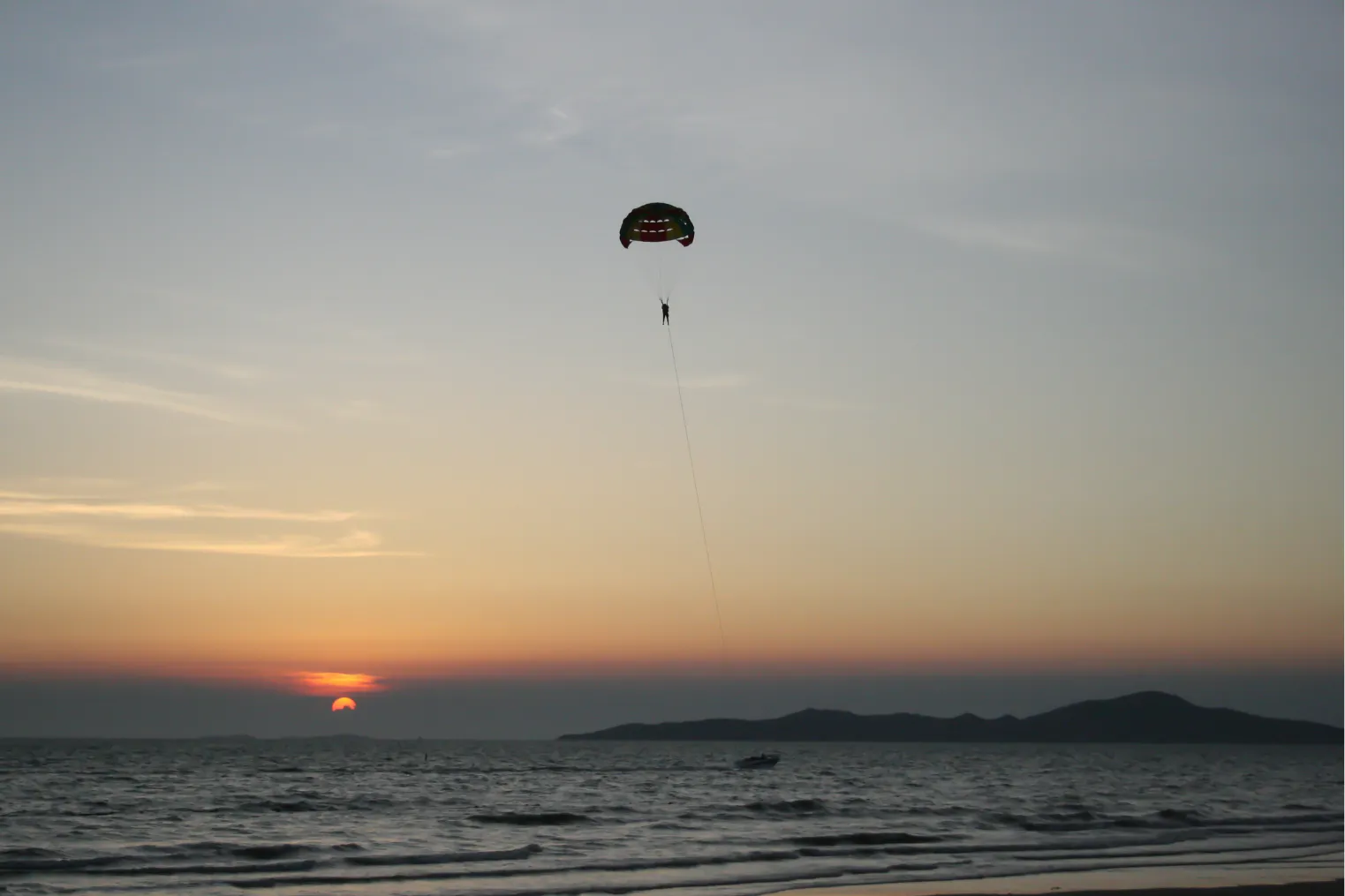
Like a sunrise surf session, Waikiki parasailing rewards you when you show up early. Aim for 7 to 9 a.m. for lighter trade winds, smoother water, and calmer takeoffs, plus softer light that flatters Diamond Head. Go 11 a.m. to 1 p.m. if you want the bluest lagoon and crisp views, but expect more boats and glare, so bring sunscreen and a hat, skip loose jewelry, and budget about $80–$150. The tricky part is choosing your best window…
Key Takeaways
- For the calmest, smoothest parasail, book the first boat: 7–9 a.m. offers gentlest takeoffs and the glassiest water.
- For a family-friendly balance, go mid-morning (9:30–11:30 a.m.) after breakfast and before heat, with generally steadier conditions.
- For the bluest water and sharpest reef views, choose late morning to early afternoon, especially 11 a.m.–1 p.m. under peak sunlight.
- For a more thrilling ride, pick late morning to afternoon (about 11 a.m.–4 p.m.) when trade winds build and the tow feels faster.
- For warm, flattering photos, aim for golden hour (about 4:30–5:30 p.m.), but expect more wind and possible chop later.

Parasailing Experience in Waikiki, HI
Experience the thrill of Oahu parasailing on this unforgettable 1-hour adventure from Waikiki. Soar up to 1,000 feet above the stunning south shore of...

Waikiki Parasailing in Hawaii from Oahu
Experience the thrill of parasailing over Hawaii’s stunning coastline as you glide above crystal-clear waters and...

Oahu: The Magical Mystery Show! at Hilton Waikiki Beach Hotel
Step back in Hawaii's history to 1881 when King Kalakaua visited London. You've found the hidden gem of Oahu. This i...

Waikiki 2-Hour Sunset Sailing Catamaran – Swim & Sail Adventure
There’s no better place to take a dip than the crystal-clear waters of Waikiki—and no better way to experience a...
Best Time of Day to Parasail in Waikiki
Usually, the best time of day to parasail in Waikiki is in the morning, roughly 9 to 11 a.m., when the trade winds tend to behave and the ocean looks smoother and more glassy from above.
Aim for a 9–11 a.m. Waikiki parasail, trade winds are steadier, and the ocean below looks smooth and glassy.
You’ll beat midday heat and dodge chop that can stall boats.
As a first-timer, following a simple parasailing checklist can make the whole experience smoother from booking through landing.
Check in 30 minutes early, expect $100 to $140 plus tip.
Mornings sell out on busy weekends, so book ahead and scan operator reviews for wind-call habits.
At the dock, look for safety protocols and equipment checks before you clip in.
How to Choose: Smooth, Thrills, or Photos
If you know what you want most from your Waikiki parasail, it’s easy to pick the right flight: go “smooth” for calm, glassy mornings, chase “thrills” with a higher towline and a little more wind, or book “photos” on a clear day when Diamond Head and the reef pop in the light.
Pick smooth by booking the first boat, you’ll dodge crowds and choppy wakes. For thrills, request a higher line and ask if you can fly solo. For photos, choose a clear slot, wear polarized shades, and use a phone lanyard for splashy takeoffs. If you’re planning around the year, the best season typically brings more consistently calm conditions for flights.
How Waikiki Trade Winds Affect Parasailing
Waikiki parasailing isn’t just about picking smooth, thrills, or photos, it’s also about reading the trade winds that sweep in from the northeast and shape your ride.
In steady flow, your canopy fills fast and the boat holds a clean line offshore. If gusts hit, you’ll feel punchy climbs, crews may shorten the towline, or pause launches.
If the wind picks up, operators may shift timing or hold the boat in a protected zone until wind conditions stabilize.
Scan the trade wind forecast before you book, and recheck at the harbor, squalls can pop up.
Local topography influence matters, Diamond Head and high rises can funnel wind and roughen water near the channel.
Morning Parasailing in Waikiki (Calmest)
Often, the calmest parasailing window hits early, when the ocean sits flatter, the breeze feels steadier, and you’re airborne before the beach crowds fully wake up.
Early morning parasailing brings flatter water, steadier breezes, and a smooth ride before the beach crowds roll in.
On calm mornings you’ll notice low swell and soft breezes, which mean gentle takeoffs and less bounce on the towline. Aim for a 7 to 9 a.m. slot, then you can still grab breakfast after. Arrive 20 minutes early.
Expect $90 to $140 per flight, plus photos if you want them. Bring a light rash guard, sunglasses with a strap, and reef safe sunscreen; skip heavy bags and dangling jewelry.
For families, double-check age rules in advance so everyone in your group meets the operator’s requirements before you book an early slot.

Oahu: Full or Half Day Grand Circle Island Tour
Choose from two exciting ways to experience Oahu's top attractions, scenic beauty, and local culture.Option 1: Dol...

Oahu: Grand Tour Around Island with Snorkeling
Come join on a circle island adventure led by some of Hawaii’s most knowledgeable local guides and experience brea...

Toa Luau at Waimea Valley, Oahu
Toa Luau invites you to immerse yourself in the beauty and excitement of Polynesia on Oahu’s historic North Shore!...
Midday Parasailing in Waikiki (Bluest Water)
Aim for a midday flight, roughly 11am to 2pm, when peak sunlight cuts through the water and Waikiki turns its clearest, bluest turquoise, and you’ll see the lagoon-like patches and reef lines with crisp contrast.
You’ll also sidestep the morning’s lingering cloud cover, but expect busier boats and slightly higher prices, about $100 to $160 per person, so book ahead.
Midday light also pairs perfectly with a post-flight hike at Diamond Head for more iconic panoramic views.
Peak Sunlight Water Clarity
Midday usually delivers the bluest water you’ll see from a parasail in Waikiki, because the sun sits high and punches straight through the surface, sharpening the reef lines and turning the shallows a bright, glassy turquoise. From above, you can often spot Diamond Head beyond Waikiki while the coral reefs show up as darker patches in the water. Photos look sharper, but sun glare flares if you shoot toward the sun.
Aim for an 11 a.m. to 1 p.m. flight for peak clarity, and note tidal influence, since a fast outgoing tide can cloud the boat channel. Rates typically run $95 to $135, photo packages add $15. Lunch hour fills fast, so check in 30 minutes early. Bring polarized sunglasses, reef safe sunscreen, and a thin rash guard. Skip dangling jewelry and bulky cameras.
True Turquoise Lagoon Views
Catch a noon-ish parasail on Waikiki and the ocean below can look like a real lagoon, all bright turquoise shelves over the reef with darker ink-blue drop-offs beyond the boat channel.
From 500 feet up, you’ll spot coral gardens like mosaics and even a few hidden coves tucked behind the curve of Diamond Head.
Book the 12 to 2 pm slot, and the line stays brisk but efficient.
Expect about $90 to $140 per flyer, plus photo add-ons if you can’t resist.
For parasailing photos and video, use a phone lanyard and start recording before takeoff to capture the full Waikiki ascent.
Minimizing Morning Cloud Cover
Often, Waikiki’s morning looks dreamy from the sand but turns hazy once you’re offshore, with low clouds sitting on Diamond Head and softening the water color.
That early haze comes from overnight moisture and dewpoint effects, and it can linger until late morning. Aim for a 11 a.m. to 2 p.m. flight when the sun’s higher, trade winds mix the air, and the ocean pops a clearer blue. Most operators offer a range of parasailing heights in Waikiki, so clearer midday visibility can make the view feel even more dramatic.
Afternoon Parasailing in Waikiki (Windier Ride)
Book an afternoon parasail and you’ll feel the trade winds kick up, often making the tow faster and the ride a bit punchier.
The ocean can turn choppy after about 2 pm, so wear a snug life vest, bring a light windbreaker and reef-safe sunscreen, and skip loose hats unless you like donations to the Pacific.
In windy Waikiki conditions, operators may call off departures due to wind-related cancellations, so keep your schedule flexible.
Stronger Trade Winds
When the trade winds kick up after lunch, afternoon parasailing in Waikiki feels faster, louder, and a little wilder in the best way. You’ll climb quickly, get a longer glide, and see Diamond Head pop in sharp contrast. Operators watch trade wind forecasting and wind shear mapping to keep the tow smooth and the canopy steady. Afternoon trips are also the most likely to pause for wind cancellations if conditions spike.
- Book 2 to 4 pm for the breeziest lift and smaller morning crowds are gone.
- Expect $90 to $130, plus tips, and bring sunglasses with a strap.
- Skip loose hats, bulky beach bags, and heavy cameras unless they’re tethered.
Choppier Ocean Conditions
Afternoon trade winds don’t just speed up your flight, they rough up the water too, and that changes the whole feel of a Waikiki parasail. You’ll notice more surface chop on the boat ride out, plus extra spray, so pack a light windbreaker and secure your phone. The swell interaction can also make takeoff and landing feel punchier, especially if you’re prone to motion sickness. Eat light, take ginger, and skip heavy sunscreen that runs into your eyes. If you’re debating altitude, Waikiki runs common parasailing height options like 600 ft, 800 ft, and 1,000 ft, and higher rides can feel more intense when winds pick up.
Most operators still run 1 to 4 pm slots, often $90 to $140. Crowds thin after lunch, but the line moves fast.
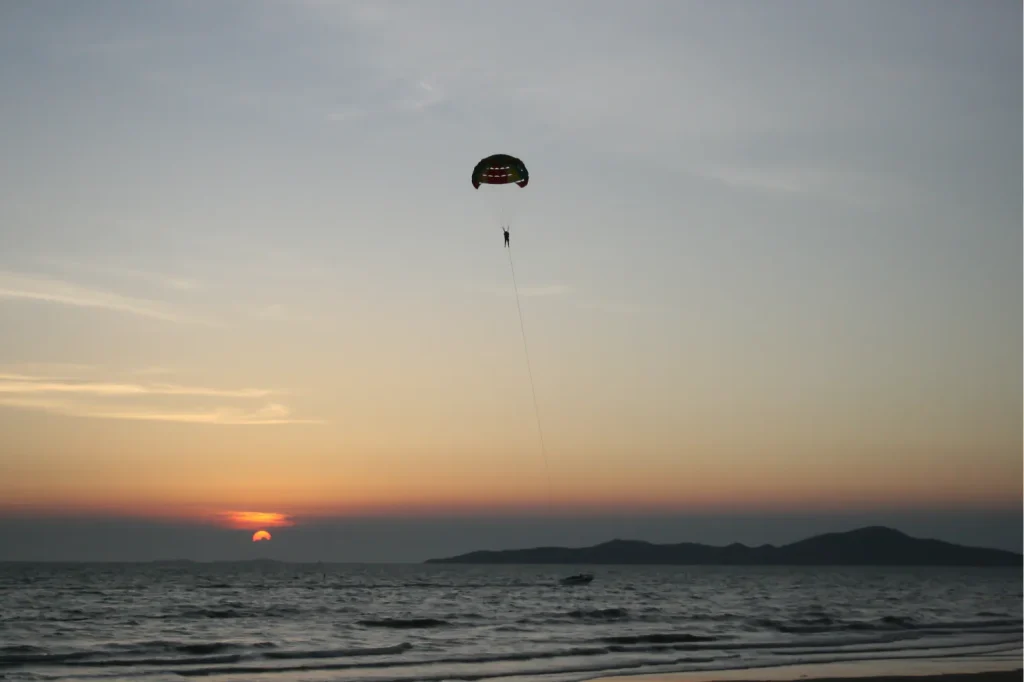
Sunset Parasailing in Waikiki (Golden Hour)
Usually, the best time to parasail off Waikiki is the hour before sunset, when the ocean turns copper and Diamond Head looks like it’s been cut from dark paper.
You’ll get glowing ocean reflections, cooler air, and a romantic ambiance that makes even the harness photo look flattering. Crowds peak on Fridays, so lock it in a day ahead.
For the most flattering shots, aim for golden hour parasailing photos when the low sun softens shadows and boosts warm tones over the water.
- Book a 4:30 to 5:30 p.m. slot, earlier in winter, and arrive 30 minutes ahead.
- Expect $90 to $140 plus tips, bring a light jacket, and stash phones in a dry pouch.
- Skip heavy meals, loose hats, and last minute walk ups, boats fill fast.
Waikiki, Hawaii: Turtle Canyon Snorkel Excursion
Discover the magic of snorkeling with Hawaiian Green Sea Turtles at Waikiki’s famous Turtle Canyon. On this 2-hour...

Oahu's North Shore: 8-Line Zipline Adventure
Experience the ultimate Oahu zipline adventure on this 3-hour guided tour across the island’s famous North Shore...

Oahu: Mauka Warriors Luau Honoring Polynesia's Forgotten History
Step into the vibrant heart of Hawai‘i and experience a luau like no other—where culture, history, and celebrati...
When Is Waikiki Parasailing the Smoothest?
Most days, you’ll find the smoothest parasailing off Waikiki in the early morning, before the trade winds wake up and the ocean turns from glassy to choppy.
Book an 8 to 10 a.m. slot for that early glassiness, and you’ll usually wait less at the dock.
Boats feel steadier, and the ride stays gentle even if you’re prone to seasickness.
If you can’t go early, aim for a late lull around 3 p.m., when some afternoons briefly settle.
For a classic view, many flights sweep past the shoreline with Diamond Head in the backdrop.
Expect about $120 to $160 per person, plus photo packages.
Bring a light jacket, sunscreen, and a dry bag for your phone.
Skip big breakfasts and loose hats.
Viator can help you lock timing with verified reviews, free cancellation, and reserve now pay later too, easily.
When Is Waikiki Parasailing the Most Thrilling?
For the biggest buzz, book a slot in the peak wind windows, usually late morning to early afternoon, and expect a slightly bumpier ride that feels more like a mini adventure than a float, often around $120 to $200.
If you want extra spice, aim for midday when the trade winds kick up wave action and the boat’s wake adds a punch, bring snug sunglasses and reef-safe sunscreen, and skip loose hats unless you like feeding the ocean.
On the boat, you’ll likely be on bench-style seating and may catch a bit of spray as the captain positions the lines and cruises between flights.
Peak Wind Adventure Windows
Chasing Waikiki’s breeziest pockets is when parasailing flips from “nice view” to full-throttle, wind-in-your-ears fun. Aim for late morning to early afternoon trade-wind peaks, but book a slot that leaves wiggle room if the breeze shifts. You’ll feel the towline snap taut and the city shrink to a postcard. One way to stay calm in gustier conditions is to confirm the crew does a pre-flight safety briefing and double-checks the harness and towline before takeoff.
- Pack sunglasses with a strap, reef-safe sunscreen, and a light rash guard.
- Skip bulky bags and dangling jewelry, they’ll annoy you in gusts.
- Expect $120 to $200, fewer families on school days, and quicker check-in.
Before you launch, ask about safety protocols, watch equipment checks, compare insurance options, and scan operator ratings.
Midday Wave Action Rush
Sometimes the most thrilling Waikiki parasailing happens right at midday, when the sun sits high, the nearshore chop perks up, and your boat run feels faster on the bounce. You’ll feel midday adrenaline as the towline tightens and you notice real wave interaction under the stern, tiny drops that make you laugh (and grip). Before you go, run through a quick parasailing safety checklist to confirm proper harness fit and crew briefing. Expect brighter glare, warmer air, and busier docks around 11am to 2pm, so arrive 30 minutes early.
| What to plan | Quick tip |
|---|---|
| Time | Book 11:30–1:30 for lively chop |
| Cost | $110–$160, plus photos if you want |
| Bring/skip | Bring water and sunglasses strap, skip heavy jackets |
Golden Hour Thrill Factor
Late afternoon changes the whole mood of Waikiki parasailing, trading midday bounce for smoother air, softer light, and a view that looks edited in real time.
You still get lift, but the thrill shifts to sunset chemistry: warm colors, calmer seas, and that quiet pause right before the sun hits the horizon.
Most operators give you about 8–10 minutes of true airtime, so the golden-hour window makes every minute count.
Aim for 4:30 to 6:00 pm year round, earlier in winter, and expect fewer families than noon.
- Bring a light jacket, salt spray cools fast up there.
- Pack polarized sunglasses to enjoy light diffusion and sharper reefs for photos too.
- Skip big bags and heavy meals, the boat ride can slosh.
Best Time for Waikiki Parasailing Photos
When do Waikiki parasailing photos look their best? Aim for early morning, 7 to 9 am, when trade winds stay light and the water turns glassy turquoise. You’ll catch soft color without the harsh noon glare, and if you launch near sunrise you can snag sunrise silhouettes over Diamond Head. Boats also run smoother before the beach crowds thicken. According to Waikiki parasailing costs, morning flights can be a smart value because popular slots fill fast and prices may vary by operator and package.
Best Time to Parasail Waikiki With Kids
Usually, the sweetest window for parasailing Waikiki with kids is mid morning, about 9:30 to 11:30 am, after little bellies are fed and before the midday heat and bigger trade winds kick up.
You’ll dodge the thickest boat crowds, and the crew still has patience for questions about child safety and gear sizing.
For last-minute plans, stick to smart booking tips like confirming what’s included and the exact check-in time so you don’t get burned.
- Pack reef safe sunscreen, light jackets, and water.
- Skip heavy breakfast, loose hats, and dangling toys.
- Ask for tandem flights, shorter tow time, and a calm briefing for kid comfort.
Your best parent tips: arrive 30 minutes early, hydrate, and keep snacks for the ride back afterward.
Waikiki Parasailing Times by Season (Winter vs Summer)
Although Waikiki runs parasail boats year round, your smoothest timing shifts with the seasons: summer (May to September) brings steadier trade winds and clearer mornings, while winter (November to March) can feel glassy at first, then turn choppy fast when a north swell rolls in.
In summer, book 8 to 10 a.m. to beat crowds and catch crisp light. Expect $90 to $130 plus tip, and you’ll often find openings.
In winter, grab the first departure and skip afternoons, when Seasonal windpatterns flip and chop builds. Bring a thin rash guard for Temperature swings, reef safe sunscreen, water, and a small dry bag. Skip big breakfasts and floppy hats. If you’re traveling plus-size, confirm weight limits and harness fit when you book to avoid day-of surprises.

Oahu Shark Dive on the North Shore
Book the Oahu Shark Dive for a thrilling shark encounter off the North Shore. You’ll travel by boat from Haleiwa H...

Oahu Grand Circle Island Experience from Waikiki
Enjoy Grand Circle Island experience tour with breathtaking views of Amelia Earhart Lookout on Diamond Head, admire...
Oahu Circle Island Snorkeling Tour: Dole, Pali Lookout & More
Looking for the BEST VALUE & MOST COMPLETE Circle Island Snorkeling Tour? Join us for the ultimate full-day, action-...
Frequently Asked Questions
Do I Need to Know How to Swim to Parasail in Waikiki?
You don’t need strong swim ability to parasail in Waikiki; you’ll wear a life jacket and stay harnessed. Still, you should feel comfortable in water, follow the safety briefing, and tell crew about any concerns.
What Should I Wear and Bring on a Waikiki Parasailing Trip?
You’ll wear a swimsuit, quick-dry rash guard, and water shoes, and bring a towel and dry change. Pack sunscreen, sunglasses, and hat for sun protection. Use a waterproof phone pouch and light jacket, too, today.
Are There Weight Limits or Health Restrictions for Waikiki Parasailing?
Yes, operators set weight limits, often 90–500 lbs combined, and they’ll screen you for heart, back, pregnancy, or recent surgery issues. You may need medical waivers or a doctor’s clearance before you fly with your booking.
Can We Ride Together, and How Many People Can Parasail at Once?
Yes, you can ride together; it’ll feel like you’re floating a mile above the ocean. Most operators run tandem flights, so two parasail side by side, while some allow three riders if winds and weight permit.
What Happens if My Waikiki Parasailing Tour Is Canceled Due to Weather?
If weather cancels your Waikiki parasailing tour, you’ll get weather refunds or you can choose rescheduling options. You’ll receive notice, then pick a new date or request your refund through the operator’s process right away.
Conclusion
Book the slot that matches your vibe. Go 7–9 a.m. for smooth seas, softer sun, and stress free takeoffs. Aim 11 a.m.–1 p.m. for bold blue water and crisp visibility, but expect bigger crowds. Golden hour gives glowing shots with a bit more bounce. Plan on $80–$160, bring reef safe sunscreen and a light windbreaker, skip heavy bags. Viator can lock in times with verified reviews, free cancellation, and reserve now pay later, hotel pickup.
Waikiki Parasailing in Hawaii from Oahu
Experience the thrill of parasailing over Hawaii’s stunning coastline as you glide above crystal-clear waters and lush island landscapes. You’ll s...
Parasailing Experience in Waikiki, HI
Experience the thrill of Oahu parasailing on this unforgettable 1-hour adventure from Waikiki. Soar up to 1,000 feet...

Waikiki: 2 hours - Friday Night Fireworks Catamaran Cruise
Enjoy the spectacular FRIDAY NIGHT FIREWORKS show along the beautiful coastline of Waikiki while we get up close and...

Polynesian Cultural Center: Gateway Buffet Package
Located on O‘ahu’s North Shore, the Polynesian Cultural Center is a one-of-a-kind attraction showcasing the peop...