If you want Waikiki parasailing at its smoothest, you’ll aim for May through September, then book a morning slot around 9 to 11 a.m. before the trade winds wake up. You’ll usually get calmer seas, sharper views, and a longer float, though summer means bigger crowds and $120 to $200 prices. Bring reef safe sunscreen and a light jacket, skip heavy breakfast. A Viator tour can help with verified reviews, hotel pickup, free cancellation, and reserve now pay later, but timing matters more than any deal. Now, what if you’re stuck with a winter trip?
Key Takeaways
- May–September is the best season for Waikiki parasailing, with calmer seas and clearer views.
- Book a 9–11 a.m. flight for smoothest water; afternoon trade winds often make rides bumpier.
- June–July offers the most time slots but higher prices, bigger crowds, and longer lines.
- May and September are quieter, often with better availability and possible weekday discounts near Ala Moana.
- November–March can be windier with larger swells, increasing cancellations and reducing height or hang time.
Best Months for Waikiki Parasailing (Quick Answer)
Usually, the sweet spot for parasailing in Waikiki runs from late spring through early fall, roughly May to September, when the ocean stays calmest and your chances of a clear, postcard-blue view are highest.
May–September is Waikiki’s parasailing sweet spot, calmer seas and the best odds of crisp, postcard-blue views.
Early morning typically offers the smoothest conditions and clearest visibility for Waikiki parasailing.
Book a morning slot in June or July if you want the widest choice of flight times, but expect bigger crowds and rates around $90–$140 per person.
For fewer lines, aim for May or September and you’ll often score weekday discounts with local businesses near Ala Moana.
Waikiki Parasailing Weather Basics: Wind, Waves, Visibility
May through September can hand you calmer water, but your actual ride depends on the day’s wind, waves, and visibility.
In Waikiki, mornings can start glassy, then a sea breeze builds late morning and tugs the towline. Ask your captain about wind limits and whether thermal lift will make the canopy climb quicker.
In windy Waikiki conditions, operators may call off trips due to windy weather safety limits.
Scan the water. Short, choppy waves mean a bouncy takeoff and splashy landing. Haze or passing showers can cut visibility, so crews may shorten flights.
Waikiki Parasailing in Summer (May–Sept): Calmer Water
Often, summer in Waikiki (May to September) gives you the smoothest water and the cleanest takeoffs, especially if you book an early-morning slot before the trade winds freshen. You’ll feel the tow line lift with fewer bumps, and calm currents keep the boat’s path tidy for easy landings. Still, trips can get pushed back when wind and rain roll in, so leave a little buffer for weather delays and reschedules.
Plan on $120–$180 per flight, plus photos if you want them. Aim for 8–10am, then grab shade as beach crowds swell by lunch. Bring reef-safe sunscreen, a light rash guard, and a dry bag for your phone. Skip heavy jewelry and big breakfasts.
Waikiki Parasailing in Winter (Nov–Mar): Swell and Wind Tradeoffs
While winter (Nov to Mar) can serve up postcard skies, it also brings bigger north swells and brisker trades that make your ride feel more like a gentle bounce than a glassy glide.
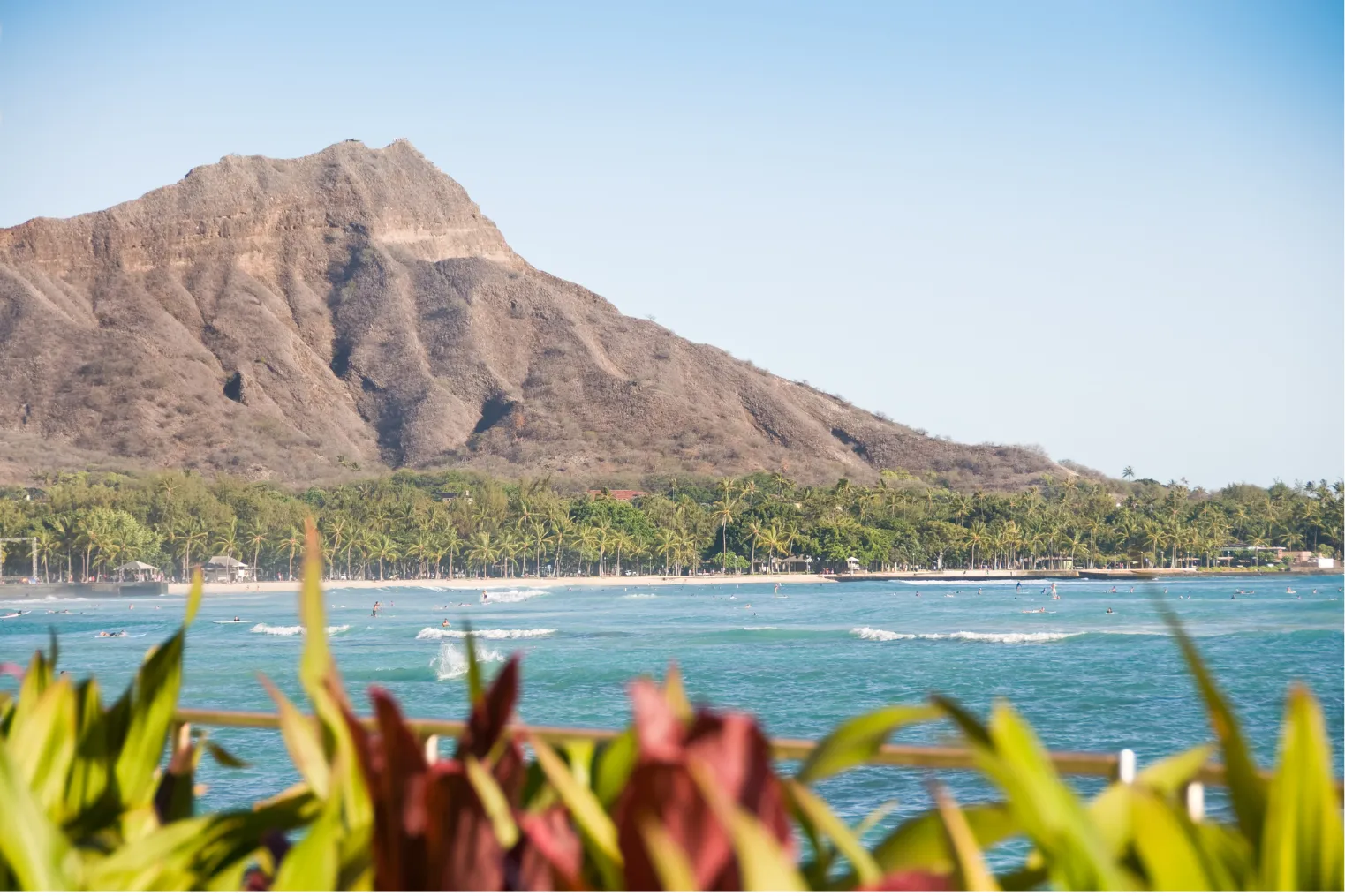
You’ll still lift above Diamond Head, but the boat may hunt for a calmer lee, and wind direction effects can shift takeoff angles fast.
Stronger gusts can add extra swing and shorten hang time, which is why crews watch wind speed closely before sending you up.
Book early mornings when seas often behave, and expect occasional weather holds.
Operators focus on high swell safety, so they’ll cancel if lines or launch feel sketchy, no hard feelings.
Waikiki Parasailing by Month: What to Expect
Month by month, you’ll feel Waikiki shift from winter swells and gustier winds to summer’s steadier trade wind days, and your ride time and comfort can change with it.
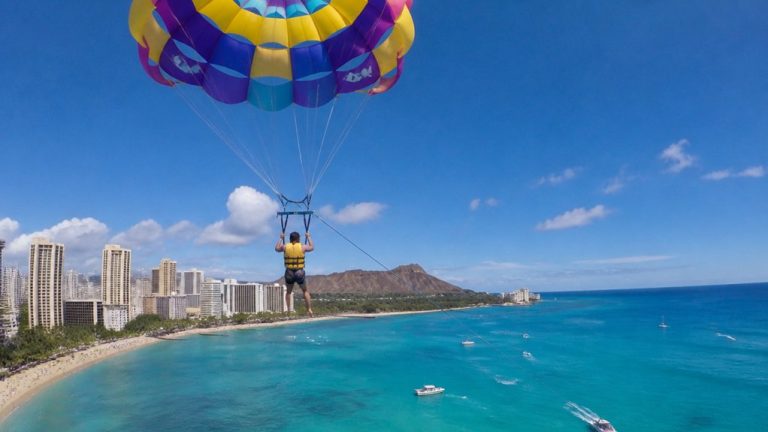
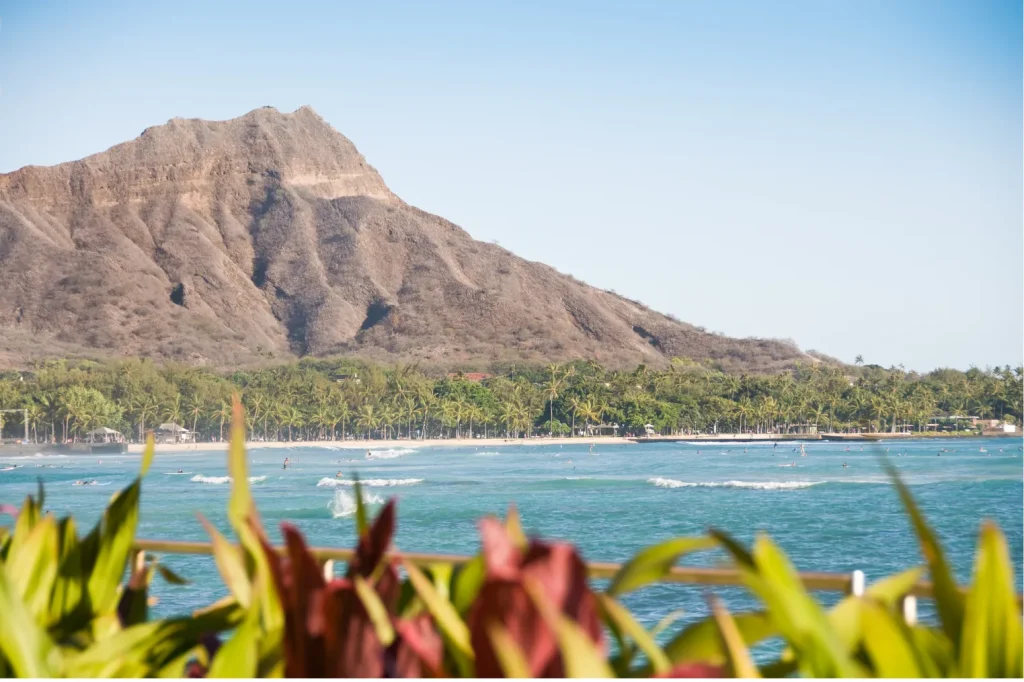
For the clearest photo opportunities, time your flight for Diamond Head views.
Plan on booking earlier during peak weeks, expect slightly higher prices around holidays, and bring a light spray jacket in winter or reef-safe sunscreen and water in summer, while you skip heavy layers and loose hats that’ll fly.
Still comparing Waikiki Parasailing?
Ask for tour ideas, hotel suggestions, or a simple trip plan that combines both.
Trip Helper
Winter Swells And Winds
As winter swells start rolling onto Oahu’s south shore, Waikiki parasailing turns into more of a weather-watch game than a guaranteed glide. Morning launches often beat the chop, so call by 7am and stay flexible. If surf lines stack up or gusts swing offshore, operators may shorten the towline or cancel. You’ll hear it first in the ocean acoustics, booming sets and rattling rigging. Most crews also offer parasailing height options like 600 ft, 800 ft, or 1,000 ft, though winter conditions can affect which towline length is feasible.
Summer Trade Wind Days
Once the summer trades settle in, Waikiki parasailing runs on a steadier rhythm, with bright skies, warm water, and a breeze that keeps the ride snappy.
You’ll feel the classic trade wind patterns most mornings, so book 9 to 11 a.m. for smoother launches and clear views of Diamond Head. By early afternoon, thermal breezes effects can add gusts and chop, not dangerous but bouncier.
Expect higher demand in June to August, with lines on weekends. Tours typically run $120 to $170, photos extra. Bring reef-safe sunscreen, a light spray jacket, and a dry bag for your phone. Skip heavy breakfast and dangling jewelry.
If you’re nervous, knowing what makes parasailing feel safe, like stable harnessing and clear crew instructions, can ease first-time jitters.
Booking Waikiki Parasailing: Forecasts, Cancellations, Timing
Check the marine forecast the night before and again at breakfast, because Waikiki’s trade winds can flip your smooth, salty glide into a no-go, and the calmest window often lands in the early morning before crowds and chop build.
For the most current conditions, remember that forecast pages can lag and that Official NWS dissemination systems are the most reliable for timely delivery.
Book with a clear cancellation policy, expect last-minute weather calls, and keep a backup slot or beach plan ready, since operators will usually reschedule you fast if conditions turn.
Weather Forecasts And Windows
Even if Waikiki looks postcard-perfect from the sand, parasailing runs on wind, swell, and visibility, so your booking should, too. Check the hourly marine forecast the night before and again at breakfast. You want steady trade winds, light swell, and a gentle ocean current, not gusty squalls. High cloud cover can flatten the views and hide Diamond Head, even when it’s dry.
Aim for a 9 to 11 a.m. slot for the calmest water and cooler light; afternoons often turn choppier and busier. Door-to-door, plan for pickup to drop-off timing to run longer than the actual flight once check-in, boat time, and return are factored in.
Cancellations And Rescheduling
Plan for Waikiki parasailing to get bumped around a bit, because wind shifts and harbor conditions can shut down trips fast. Book early in your stay so you’ve got wiggle room, and aim for morning slots when seas are calmer and lines shorter.
Before you lock it in, confirm the operator’s US Coast Guard licensing and safety checklist details to avoid last-minute surprises. If the captain cancels, ask about the operator policy in writing: how soon they notify you, whether they rebook same day, and what triggers customer refunds.
Keep your phone handy for texts, and pack a jacket, sunscreen, and a dry bag for your wallet. Skip bulky beach bags and anything you’d hate to lose.
Frequently Asked Questions
Is Parasailing Safe for First-Time Flyers in Waikiki?
Yes, parasailing’s generally safe for first-time flyers in Waikiki when you choose reputable operators. You’ll get trained guides, thorough equipment checks, and clear instructions. You should disclose concerns, follow signals, and you’ll likely enjoy it.
What Should I Wear for Parasailing in Waikiki?
Wear light clothing over your swimsuit, and bring a jacket if it’s breezy. Choose Water shoes for the boat deck. Skip loose hats, secure sunglasses, and pack sunscreen and a towel for after the flight.
Can Kids or Seniors Go Parasailing in Waikiki?
Yes, you can take kids or seniors parasailing in Waikiki, but you’ll follow operator age limits and weight rules. If you need mobility accommodations, call ahead; you’ll usually ride tandem with staff assistance for safety.
Are Photos or Video Packages Included With Waikiki Parasailing Flights?
You’ll usually pay extra, most Waikiki operators don’t include photos or video. As you float above turquoise water, ask about photo add ons or souvenir footage packages, and confirm pricing, delivery method, and timing before launch.
Do I Need to Know How to Swim to Parasail in Waikiki?
You don’t need strong swimming skills to parasail in Waikiki; crews fit you with floatation devices. Still, stay calm, your panic response matters. Listen closely to emergency procedures, and follow instructions during takeoff, flight, and landing.
Conclusion
If you time it right, you’ll step off the boat just as Waikiki’s morning light sharpens the skyline, and the water calms down too. Aim for May through September, book early, and grab a 9 to 11 a.m. slot before trade winds kick up. Expect higher summer prices and thicker lines, with better weekday deals in May or September. Bring sunscreen, a light layer, and a dry bag. Skip heavy breakfast. Viator can help with verified reviews, hotel pickup, free cancellation, and reserve now pay later.