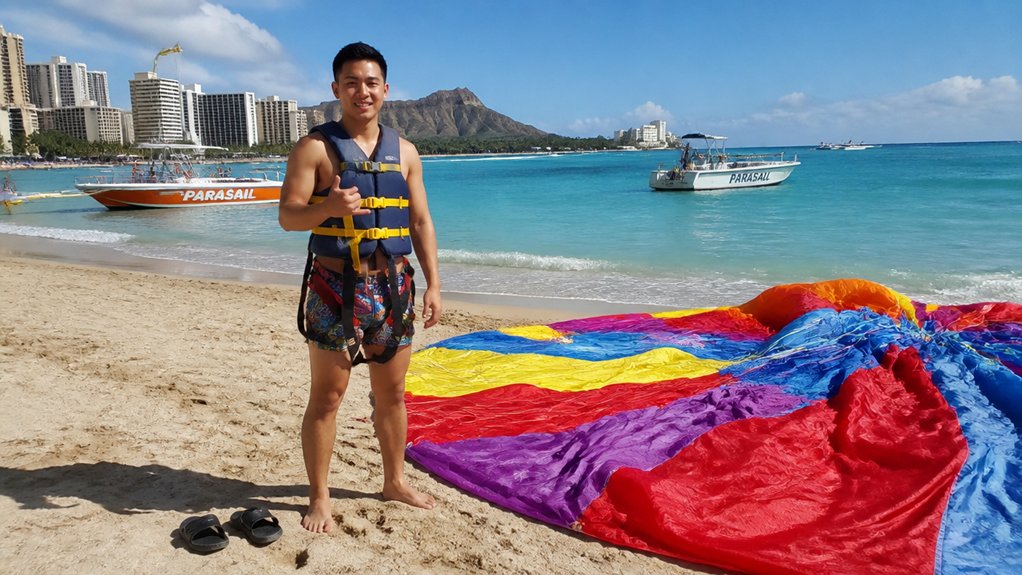
You might step onto a Waikiki parasail boat in flip-flops, hear spray slap the deck, and wonder if that’s a bad plan. Most crews keep it simple, but your launch spot, the slick feel underfoot, and the chance of a dunk can change the answer. Bare feet often work. Water shoes can help. The real question starts before you rise over the blue water.
Key Takeaways
- Shoes usually aren’t required for Waikiki parasailing, especially on Kewalo Basin departures, where many riders go barefoot.
- If you wear footwear, choose snug water shoes or strapped sandals that won’t slip off during boarding, takeoff, or landing.
- Traction matters most because boat decks can be slick from spray, and steady footing helps during harness and life jacket fitting.
- Avoid flip-flops or loose sandals, which can slide, loosen, or blow away in wind and splash conditions.
- Check your operator’s policy before you go, since footwear rules can vary by crew and safety preferences.

Parasailing Experience in Waikiki, HI
Experience the thrill of Oahu parasailing on this unforgettable 1-hour adventure from Waikiki. Soar up to 1,000 feet above the stunning south shore of...

Parasailing on Maunalua Bay- Oahu's off Waikiki Playground
Bring the whole family along for an exhilarating Oahu parasailing adventure from Honolulu! Soar above the waters of...

Hawaiian Parasail Since 1977 from Waikiki Beach
Hawaiian Parasail Inc. has been the original parasailing company in Hawaii for over 48 years since 1977. Parasailing...

Waikiki and Diamond Head Parasailing Experience
Take flight up to 1,000 feet above Oahu’s famous coastline on a thrilling 1-hour parasailing adventure from Waikik...
Do You Need Shoes for Parasailing in Waikiki?
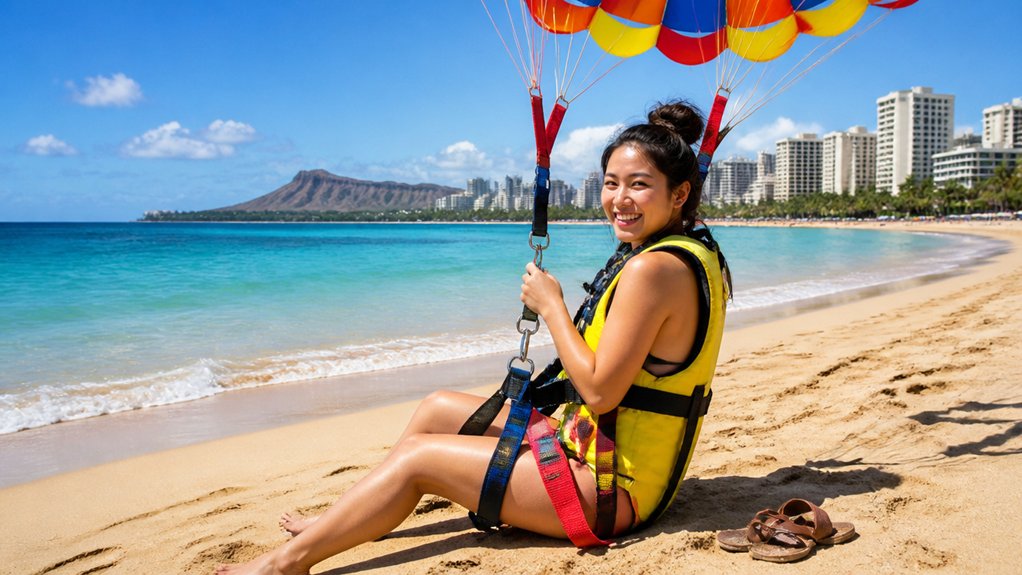
Do you actually need shoes for parasailing in Waikiki? Not really. You don’t need bulky closed-toe sneakers when you head out from Kewalo Basin. Most riders either go barefoot or wear secure water-friendly footwear for the short on-deck moments before launch. The key is traction. The deck can feel slick under your feet, and the crew needs you steady while they fit your harness and life jacket. The crew also checks essential gear like the parasailing harness, towline, and winch before launch.
If you choose sandals, pick grippy ones that stay on. Loose flip-flops can skid, flap, or disappear in boat spray and wind chop. Water shoes work well too. They hug your feet, handle wet surfaces, and won’t soak up much. Think practical, light, and secure. Your shoes don’t need to impress anyone. They need to stay put.
Will You Get Wet on a Waikiki Parasail?
How wet will you get on a Waikiki parasail? Expect at least a little water. Even on calm days, spray can flick up from wind chop, and the tow line may send a splash your way. Many Waikiki parasailing tours use a dry takeoff and landing, but crews often offer an optional toe dip or a quick skim across the surface if conditions allow. This is why dry takeoff and landing is a common selling point for travelers who want the fun of parasailing without getting fully soaked.
During parasailing in Waikiki, your flight itself usually lasts only five to ten minutes, so any soaking is brief. Still, you may drip for ten minutes after you land, like a very glamorous sea lion. Wear quick dry swim gear or a UPF rash guard, and bring a towel so you stay comfortable from boat deck to beach after the flight ends.
Do Waikiki Parasailing Companies Let You Wear Shoes?
Usually, yes, Waikiki parasailing companies let you wear shoes, as long as they fit snugly and won’t slip off when the harness lifts you. In practice, you’ll usually see secure water shoes or strapped sandals approved for takeoff and landing. Crews often like them because the boat deck can feel slick with spray, and better grip helps with safety while you board. What they don’t want is loose footwear, dragging straps, or anything that could tumble into the water mid-flight. You also generally do not need swimming required for Waikiki parasailing, since crews handle launch and recovery from the boat. Bare feet are often allowed too, but rules can vary a little from crew to crew. Before you book your parasailing trip, ask about the operator’s footwear policy. It’s a quick question, and it saves you from guessing on the dock before you step aboard.
Why Many Waikiki Parasailers Go Barefoot
Because the on-deck part of parasailing is short and a little wet, plenty of Waikiki riders simply kick off their shoes. You may like the direct feel of the deck underfoot as you step aboard, get clipped in, and settle down. Bare feet can give you better traction than loose sandals or slick flip-flops during those quick transfers. Some tours launching from Kewalo Basin even say going barefoot works fine, depending on the day and the boat crew. Since many departures use Kewalo Basin Harbor, it helps that the check-in and boarding setup there is straightforward for riders arriving with minimal gear. It also keeps things simple. You won’t fuss with straps, soggy soles, or a runaway sandal making a break for Waikiki beach. Since the action on deck lasts only a few moments, many riders find barefoot easier, cleaner, and surprisingly comfortable for the whole boarding process.

Diamond Head Hike Shuttle with Reservation Tickets Included
Our Diamond Head Shuttle Tour offers a perfect blend of convenience, adventure, and unforgettable vistas.Stress-Fr...

Diamond Head Hiking Tour with Tickets and Shuttle Included
The Diamond Head Hike is a 3-hour round-trip adventure, including pick-up and drop-off from your Waikiki hotel. This...

Private Deep Sea Fishing Charter in Honolulu
Experience the best deep sea fishing charter near Waikiki with Magic Sport Fishing—one of Oahu's top-rated sportfi...
When Water Shoes Make Sense in Waikiki
If the boat deck or the Kewalo Harbor boarding area feels slick under your feet, water shoes can give you the grip you want. You’ll notice the difference when you step aboard, grab your harness, and move across wet fiberglass without that careful little shuffle. Secure sandals with a heel strap can work too, but loose flip-flops are more comedy than help once boarding starts. If you plan to bring a phone or camera, secure gear with a strap or tether so nothing slips away during takeoff or landing.
Slick Deck Grip
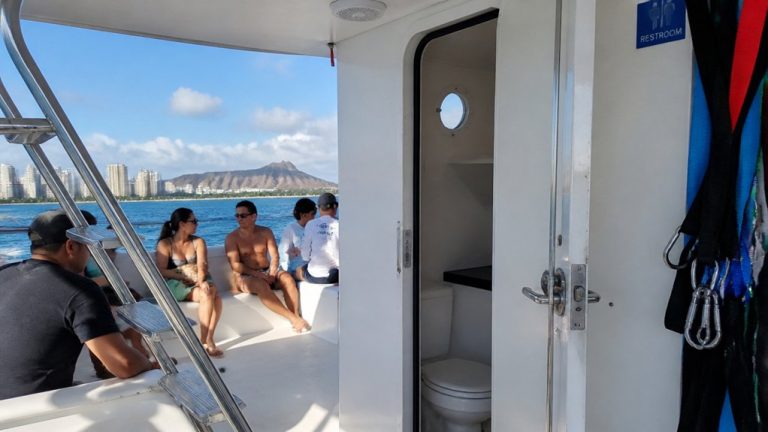
On a Waikiki parasailing boat, grip matters more than cushion. Spray and splashdowns can leave the deck slick, so you should think traction first. For a 60 to 90 minute boat ride, secure shoes help you stay steady and relaxed. You can even keep sunglasses with a strap and focus on Diamond Head instead of your footing. If you are bringing your phone along, a waterproof phone case can help protect it from spray and splash during the ride.
- Pick water shoes with textured soles.
- Choose strapped sandals that won’t fly off.
- Skip loose flip-flops on windy days.
- Go barefoot only if the deck is dry.
Many riders use grippy sandals around Kewalo Harbor because they handle wet fiberglass well. If your footwear stays put, you move with more confidence, and the ride feels easier. You won’t feel like you’re auditioning for a slapstick slide show.
Secure Boat Boarding
Step onto the boarding ladder with wet feet and you’ll see why water shoes make sense in Waikiki. You want grip when spray hits the steps and the crew guides you onto the boat after the safety briefing. If you wear secure shoes or snug sandals, they stay on during check-in, harness fitting, and boarding. If you also wear glasses or contacts, glasses or contacts should fit securely so wind and spray do not become a distraction during boarding.
| Choice | Why it helps | Watch for |
|---|---|---|
| Water shoes | Better grip on wet steps | Closed fit stays put |
| Strapped sandals | Fine if snug | Keep clear of harness straps |
| Barefoot | Okay if you’re steady | First-timers usually want more traction |
Once you’re clipped in, things move fast, so flimsy flip-flops can feel like a comedy sketch. Choose pairs that won’t loosen in wind or splash, because there’s little time to fix shoes onboard.
Why Flip-Flops Fail on Waikiki Parasail Boats
Picture the moment the parasail boat rocks away from the dock and your easy beach flip-flops suddenly feel like a bad joke. On a specialized boat, flip flops can skid on wet decking, shift as you step forward, or vanish in spray before your parasailing experience in Waikiki even starts. When you’re towed behind a boat, you need simple, steady footing.
Once the boat starts rocking, flip-flops stop feeling beachy and start feeling dangerously useless.
- Slick deck spray makes loose soles slide
- Wind can whip them off during takeoff or landing
- Straps and equipment can catch wandering footwear
- Water shoes or barefoot options usually stay put better
A smart safety checklist also starts with secure footwear so you can board, move, and launch more safely on Waikiki beaches. They may feel fine on the pier, but once the crew guides you into position, that casual beach choice becomes the risky one when Waikiki chop starts slapping the hull around.
Have a question about this guide?
Ask for tour ideas, hotel suggestions, or a simple trip plan that combines both.
Trip Helper
Can You Wear Sandals for Waikiki Parasailing?
So can you wear sandals for Waikiki parasailing? Yes, if they fit securely and stay on your feet during boarding, takeoff, and landing. You’ll step onto a slick boat deck, hear the engine hum, and feel salt spray, so steady footing matters for water activities like this. Many crews at Kewalo Basin suggest strapped sandals or water shoes because they help while you move into position and connect to the harness. Avoid loose flip-flops. They can skid, flop, or disappear into the blue before you even lift off. If you want extra peace of mind, tighten your sandals well or choose closed-toe water shoes instead. For first-timers, that’s the safer default. Wear Parasailing gear should feel simple, secure, and easy from start to finish overall. If you’re making your short packing list, secure footwear belongs near the top for a smoother Waikiki parasailing trip.
What Shoes Grip Best on Waikiki Decks?
On Waikiki parasailing decks, the best grip usually comes from water shoes or secure sandals with a sticky rubber outsole. You’ll step onto wet, salt-slick boards, so traction matters more than style. Strap-secured footwear stays put during the boat ride, takeoff, and landing. If you’re pairing shoes with a rash guard for this water activity, keep your setup simple and snug, especially on a Tour with Waikiki Pickup.
On Waikiki parasailing decks, sticky-soled water shoes or secure sandals beat style every time.
- Choose sticky rubber soles.
- Use straps or laces.
- Skip loose flip-flops.
- Go barefoot only if confident.
Secure sandals work if the straps won’t loosen in surf spray. Water shoes usually feel steadier when the deck shifts underfoot and the ocean hisses nearby. Quick steps can still surprise. Your balance will thank you. For photos and comfort, best seats on a parasailing boat can also make the ride feel steadier while you wait for takeoff.
What If Your Waikiki Boat Deck Is Hot?
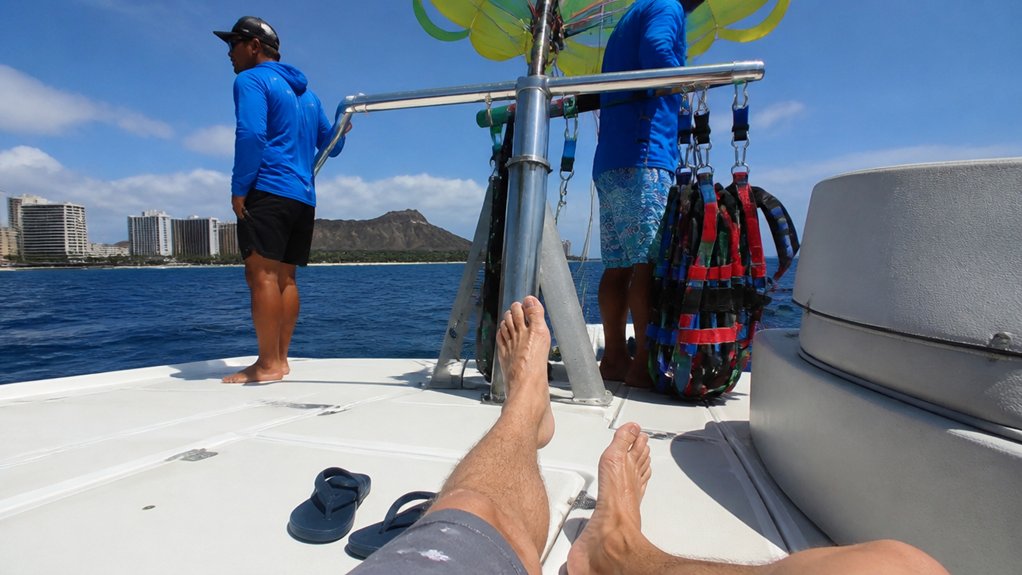
Grip still matters, but heat can change your plan fast. On a sunny Waikiki run, the boat deck can feel slick from spray and hot enough to make you hop like a startled sandpiper. If that surface is burning, quick dry water shoes are your best friend. They protect your feet, rinse clean, and don’t add loose pieces that could catch while the crew adjusts your harness.
You can also wear secure sandals if they stay put. Avoid flip-flops, since you’ll be stepping and repositioning as the crew clips you in. Make sure your footwear fits snugly and handles saltwater well. If the deck isn’t scorching, some riders prefer bare feet, but choose that only for safety and comfort, not bravado on a mild day. Before any ocean activity, check current beach conditions so heat, wind, and surf do not catch you off guard.
Do Shoes Matter for Takeoff and Landing?
Shoes matter most when you step onto a wet boat deck, hear the engine hum, and settle into the harness, because slick steps and salt spray can turn a quick move into a shaky one. You can go barefoot, and some riders do, but water shoes or secure sandals usually give you better grip during the crew-assisted lift and when you land back on board. Before you go, check your operator’s footwear rules so you don’t lose a flip-flop to the Pacific or your balance at the wrong moment. Following basic parasailing safety tips can also help you choose footwear that improves traction and stability on deck.

Surf Honolulu: Ala Moana Stand-up Paddleboard Lesson
For good fun and a great workout, take a stand-up paddleboard lesson on your Oahu vacation. At a beach near Waikiki...

Arrival - Private Transfer Honolulu Airport to Waikiki Hotel
Skip the long taxi lines, don’t waste your precious vacation time waiting in long taxi lines or taking public tran...

Lei Greeting Private Transfer Arrival Honolulu Airport to Waikiki
Your Hawaiian adventure begins the moment you land—complete with a lei greeting! Don’t wait, reserve your ride t...
Barefoot Vs. Water Shoes
While you don’t need special footwear for Waikiki parasailing, what you wear on your feet can make takeoff and landing feel a lot steadier. In the barefoot vs. water shoes debate, you’ll usually do fine either way, but secure, quick-dry shoes can calm those brief, busy moments before launch and after touchdown. For many parasailing experiences, comfort matters most. Soon you won’t think about your feet once you’re floating above Waikiki’s shoreline. Many guests launching from Kewalo Basin find that simple, secure footwear makes those dockside boarding moments feel easier.
- Barefoot feels easy and common around Kewalo Basin.
- Wet footing can make barefoot less secure.
- Water shoes stay put and dry fast.
- Skip loose sandals that distract you.
Choose what keeps you stable in the harness and focused on crew instructions. That simple choice helps this safe activity feel smooth, not fussy.
Deck Grip And Safety
On the boat, your feet matter most in the short moments before lift-off and right after you come back down. That’s where deck grip and safety really count. If this is your first parasailing adventure, slick spray can surprise you during takeoff and landing. Quick-dry water shoes or secure sandals help you step aboard, stay steady, and avoid anything that flaps, falls off, or snags. Bare feet can work from Kewalo Basin when the deck feels dry, but only if you can keep traction. Think about the wet tow line, wind chop, and the crew’s fast clipping routine. You want footwear that dries fast and stays quiet, not a flip-flopping side character with bad timing. For easier boarding and a smoother outing, pack a towel and wear clothes that handle quick-dry conditions well. Use this deck guide.
| Situation | Pick | Reason |
|---|---|---|
| Wetdeck | Watershoes | Grip |
| Drydeck | Barefoot | Ifsteady |
| Loosefit | Skipit | Snagrisk |
Operator Footwear Guidelines
Because takeoff and landing happen fast, operators do care what’s on your feet. When you board for parasailing near Waikiki, the deck and Kewalo Harbor can feel slick with spray. You’ll usually do best in secure sandals or water shoes that grip well and stay put while the crew clips your harness.
- Choose wet-tolerant footwear with traction.
- Avoid loose flip-flops that can fly off.
- Go barefoot only if you’re steady and comfortable.
- Keep shoes low-profile so leg loops sit right.
That small choice matters during splashdown too. If a sandal twists when you step or jog for lift-off, you lose balance at the worst moment. Pick footwear that feels simple, snug, and ready for saltwater. Your feet will thank you, and the crew probably will too. Feeling confident in parasailing safety can also make the whole Waikiki experience seem less scary from the start.
What to Wear for Waikiki Parasailing
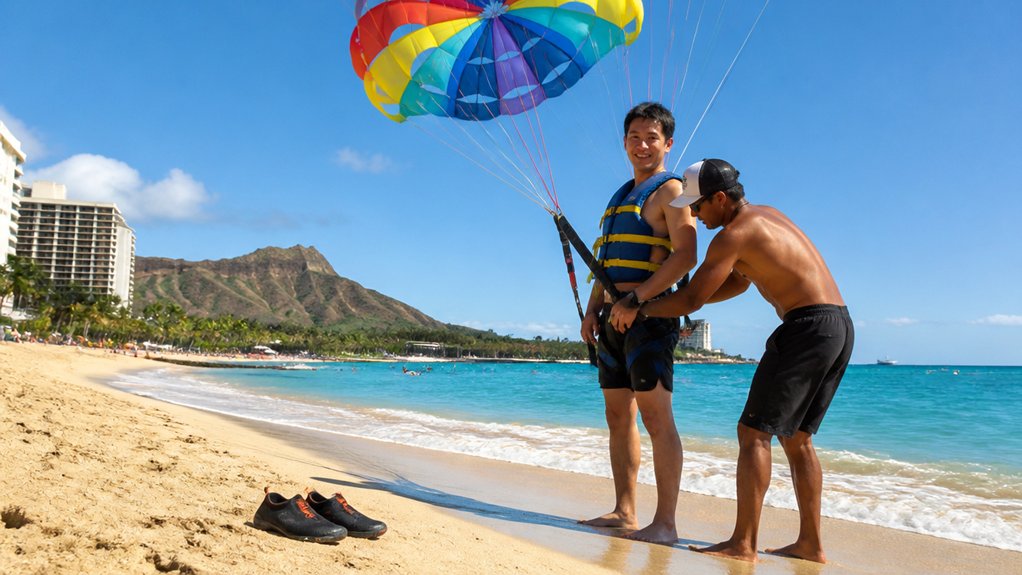
For a smooth flight, wear snug quick-dry swimwear or a fitted UPF 50+ rash guard with quick-dry bottoms, since the harness hugs your hips and wet cotton turns heavy fast. Choose swim bottoms with a secure flat waistband and few pockets, so nothing bunches when parasailing starts. Before your beach day launch, smooth on reef-safe sunscreen and dab anti-chafe balm on your inner thighs, hips, and underarms. You’ll notice the harness more than the breeze if you skip that step. If you bring your phone, secure it in a waterproof phone pouch so it stays protected from splashes or an unexpected dip. If you want extra grip on a slick deck, wear secure water shoes or sandals. Some riders still go barefoot for lift-off, depending on conditions and the operator’s call. Think sleek, simple, and ready to dry fast. You’ll feel lighter and less fussed in flight.
What to Bring on a Waikiki Parasail Boat
While your outfit does most of the work, the right boat bag keeps the rest of the trip easy. For parasailing, pack light but smart, because salt spray, sun, and that quick post-flight drip can surprise you. A few simple extras make the ride feel smoother, whether you’re coming from a Snorkel Tour with Waikiki or heading to Turtle Canyon Snorkel afterward. If you have mobility concerns, ask about boarding accessibility in advance so the crew can help make getting on and off the boat more comfortable.
- Reef-safe SPF 50, a microfiber towel, and a light windbreaker
- A small dry bag for your phone, keys, and any must-have cards
- Water, plus a sunglass strap, chin-cord hat, and secure footwear
- No loose jewelry or watches; use a floating phone case or skip it
You’ll stay comfortable, keep your essentials safe, and avoid donating anything to the Pacific during boarding too.
Barefoot or Water Shoes: What’s Best?
That last note about secure footwear matters the minute you step onto a Waikiki parasail boat. You can absolutely go barefoot, and many riders do, because the short walk across the deck and the lift-off setup are usually easy to manage. Still, the deck can feel slick underfoot, especially after spray or splashdown.
If you’d rather have more grip, choose water shoes or secure sandals that dry fast and stay put. They give you extra traction and a little protection from rough deck surfaces and small splashes from the tow line. In Hawaii, saltwater protection for your phone matters too, since ocean spray can reach your belongings even before you leave the boat. Skip flip-flops. They can slide off when you step up into the harness, and nobody wants to chase a runaway sandal before the thrill of parasailing begins high above Waikiki’s bright, choppy water.
Frequently Asked Questions
Can I Bring Prescription Orthotics on a Parasailing Trip?
Yes, you can bring prescription orthotics on a parasailing trip if they’ll stay secure in your water shoes or sandals. Check comfort fit, prioritize orthotics safety, and confirm travel logistics with the crew before boarding.
Where Do I Store My Shoes During the Waikiki Parasail Ride?
Like a trusty Walkman, you’ll stash your shoes in the boat’s dry bag area during the ride; ask crew first. Follow shoe safety tips, pick beach walking options, and wear secure grip footwear when allowed.
Are There Weight or Mobility Considerations Affecting Footwear Choice?
Yes, if you’ve got balance issues or limited mobility, you’ll want Weatherproof traction, Foot size comfort, and Foot injury prevention. Your weight won’t change shoe choice, but waterlogged footwear can make boarding and harness setup harder.
Do Parasailing Companies Provide Lockers for Shoes and Personal Items?
Some parasailing companies do provide lockers, but locker availability varies by operator. You should confirm security measures when booking. For personal item tips, use a dry bag, carry essentials only, and expect lockers or fees.
Should Children Wear Different Footwear Than Adults for Parasailing?
Usually, you don’t need footwear for children; unlike flimsy flip-flops, both kids and adults do best in secure sandals or water shoes. You improve child safety, expand footwear options, and maintain grip stability during boarding.
Conclusion
In Waikiki, you probably won’t need shoes for parasailing, but you do need common sense. If the deck feels slick with salt spray, wear water shoes or strapped sandals for grip. If not, barefoot often works fine while the crew clips your harness and life jacket. Then you lift above Diamond Head, the boat buzzing below like a cassette rewind, and your feet become the last thing on your mind on that bright blue morning.

Waikiki Parasailing in Hawaii from Oahu
Experience the thrill of parasailing over Hawaii’s stunning coastline as you glide above crystal-clear waters and lush island landscapes. You’ll s...

Honolulu Airport & Waikiki Hotels Private Transfer by Passenger Van(up to 14ppl)
Arrive in Hawaii feeling relaxed with a pre-arrange airport transfer waiting; Avoid navigating public transport or j...

Honolulu Airport & Waikiki Hotels Private Transfer by Minivan (up to 5 people)
Arrive in Hawaii feeling relaxed with a pre-arrange airport transfer waiting; Avoid navigating public transport or j...

Honolulu Airport to Waikiki Shared Shuttle Transfer
From Honolulu International Airport to Waikiki. Infants under 2 year old is free when they are held by an adult. Car...
Parasailing Experience in Waikiki, HI
Experience the thrill of Oahu parasailing on this unforgettable 1-hour adventure from Waikiki. Soar up to 1,000 feet above the stunning south shore of...

Parasailing in Waikiki from Oahu Hawaii
Scenic Aerial Views Take in unforgettable views of Waikiki, Diamond Head, and Oʻahu’s south shore as you soar abo...
Waikiki and Diamond Head Parasailing Experience
Take flight up to 1,000 feet above Oahu’s famous coastline on a thrilling 1-hour parasailing adventure from Waikik...
Waikiki Parasailing in Hawaii from Oahu
Experience the thrill of parasailing over Hawaii’s stunning coastline as you glide above crystal-clear waters and...
Experiences to explore
 Explore experience ↗
Waikiki Parasailing in Hawaii from Oahu
◷ 1 hr
Experience the thrill of parasailing over Hawaii’s stunning coastline as you glide above crystal-clear waters and lush island landscape
From $45.00 USD
View dates Explore experience ↗
Waikiki and Diamond Head Parasailing Experience
◷ 1 hr
Take flight up to 1,000 feet above Oahu’s famous coastline on a thrilling 1-hour parasailing adventure from Waikiki. Launch from the bo
From $34.00 USD
View dates Explore experience ↗
Parasailing on Maunalua Bay- Oahu's off Waikiki Playground
◷ 1 hr 30 min
Bring the whole family along for an exhilarating Oahu parasailing adventure from Honolulu! Soar above the waters of Maunalua Bay for br
From $54.20 USD
View dates