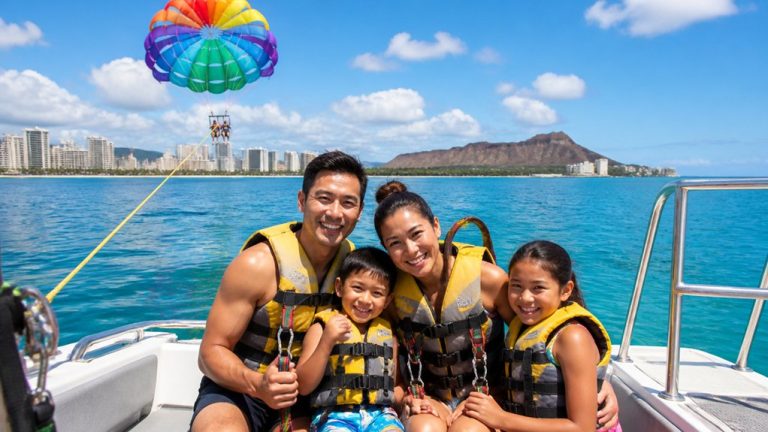

You can get seasick parasailing in Waikiki, but the surprise often comes before you ever lift off. The boat rocks, turns fast, and bounces over chop while Diamond Head sits sharp in the distance and salt spray hits your face. Once you rise, the air can feel calmer. Still, timing, wind, and your own stomach matter more than you might think.
Key Takeaways
- Yes, you can get seasick parasailing in Waikiki, especially if boat motion, quick drops, or cold splash usually trigger nausea for you.
- The boat ride often causes more nausea than the parasailing itself because deck rolling, turning, and bobbing feel stronger than the airborne segment.
- Morning trips are often calmer, while afternoon wind, chop, and shifting weather can make parasailing feel rougher and more nausea-inducing.
- If you are prone to motion sickness, take Dramamine before boarding, eat light, sip water, and focus on the horizon.
- Tell the crew immediately if nausea starts, because they can bring you down early and help you sit in a designated seasick area.
Can You Get Seasick Parasailing in Waikiki?

Could you get seasick while parasailing in Waikiki? Yes, you can. Even on a calm blue morning, your stomach may disagree with the rolling motion, quick drops, or a cold splash in the face. Conditions shift hour by hour in Honolulu, so a ride that feels smooth at noon might feel bumpier later. Parasailing in Waikiki doesn’t guarantee nausea, but it can happen, even up in the air. One rider famously threw up while flying, which is memorable for all the wrong reasons. If you’re prone to motion sickness, take Dramamine before boarding. Many operators even keep a dedicated seasickness area onboard and can bring you down early if you start feeling queasy. Using motion sickness tips like eating light and focusing on the horizon can also help settle your stomach. Think ocean breeze, bright views, and one smart backup plan ready nearby.
Why Does Waikiki Parasailing Feel Different From the Boat?
On the boat, you feel every roll and turn, but once the crew clips you in and lifts you, you’ll often feel steadier even while the line reels out and the boat keeps moving. Your balance shifts too, because you stop reading the deck under your feet and start tracking the horizon, with a cool splash or a snug harness tug making the change pretty obvious. Up there, wind replaces waves and engine rumble, so you hear more ocean hiss than boat buzz, which makes the whole ride feel smoother and a little weird in the best way. If you’re prone to seasickness prevention, taking steps before launch can help you enjoy the ride more comfortably.
Boat Motion Vs Flight
While the boat ride out can make your stomach question your vacation plans, the parasail itself often feels surprisingly calm. Once you’re clipped in, you hang in a snug harness for five to ten minutes, and that steadier feeling often eases the churning.
- On the boat ride, waves pitch and yaw the deck, and that bobbing usually stirs the worst nausea.
- In the air, you feel motion, but it’s smoother and shorter than sitting on a rocking bench.
- A splash or surprise dunk can jolt you, yet it passes fast and often earns a laugh.
- During reel-ins and turns, the crew may pause, giving your body a breather.
- If you’re sensitive, take Dramamine before boarding and let curiosity beat nerves for a better trip.
Following basic parasailing safety tips in Waikiki, like listening closely to the crew before takeoff, can also help you feel more confident and less queasy.
Horizon And Balance
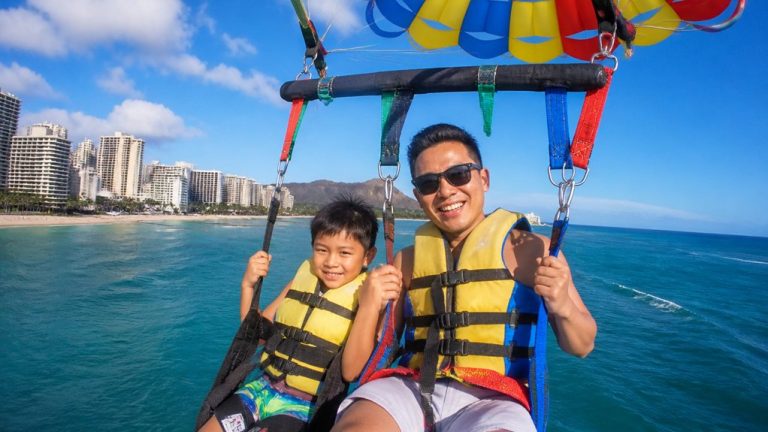
The odd part is that parasailing can feel steadier precisely because you’re no longer sitting in the boat’s bob and sway. Once you lift off, you hang in a more even position while the swell and engine bounce stay below you. Your eyes lock onto Waikiki’s skyline and Diamond Head, and that broad horizon can help you feel oriented. Still, your balance system may find the height a little uncanny, even on pretty calm days. If the wind picks up, the ride can feel more active because changing weather affects how the parasail moves and how the boat handles below you. Some parasailing experiences include a gradual reel-in, then a quick slack release that gives you a brief cold-water dip. That tiny jolt can feel like motion, especially if you’re prone to seasickness. The crew keeps the canopy stable so you notice the view more than any wobble while aloft.
Still comparing Waikiki Parasailing?
Ask for tour ideas, hotel suggestions, or a simple trip plan that combines both.
Trip Helper
Wind Replaces Waves
Above the water, Waikiki parasailing feels different because the wind takes over where the waves leave off. You sit higher, farther from the boat’s bounce, so airflow becomes the main motion. Even when the ride out feels choppy, your flight can seem steadier as the canopy holds you in place. If you go parasailing after winds shift, operators might delay or reschedule, since the breeze shapes the sensation more than the surface does. In windy weather, Waikiki tours may cancel when conditions make flights unsafe or too unpredictable.
- You hear the ocean hiss instead of hull slap.
- You feel oddly distant from worries.
- You notice clouds, tides, and light changing fast.
- You may get a quick cold-water dunk on a turn.
- You laugh when the air feels calmer than the boat on some surprising afternoons out there above Waikiki.
What Conditions Make Waikiki Parasailing More Nauseating?

How rough can it feel out there? More than you might expect. Even when Waikiki looks pretty calm, you can still feel queasy once the boat moves, the harness lifts, and your body starts reading mixed signals. Stronger wind and choppier water make the ride feel more nauseating, which is why operators sometimes delay or reschedule flights when conditions get too blustery. In Waikiki, weather cancellations often happen because shifting wind and rain can make parasailing conditions rougher and more nausea-inducing. You might also get a quick cold-water dunk during the slack-release phase or at the start and finish, and that sudden splash can turn your stomach fast. Conditions can shift every hour as wind, clouds, and tides change, so one slot may feel different from another. If you get sick, the crew has a spot onboard and can bring you down.
Is Morning or Afternoon Better for Smoother Water?
If you want the best shot at smoother water, you’ll usually like morning slots, when the wind can stay lighter and the ocean looks a little more glassy for nervous riders or families. That’s why many visitors consider morning parasailing the best time of day in Waikiki for calmer-looking conditions. Afternoon rides can feel warmer and lovely in the Waikiki sun, but conditions can shift fast, so a smooth 4:15 p.m. flight one day can turn choppy or get bumped later by wind. If motion hits you easily, book with some flexibility and call the operator that day, because the smartest plan is to treat parasailing like a weather call, not a fixed clock.
Morning Calm Advantages
For many riders, the sweet spot is early morning, when Waikiki often feels a little gentler and the boat skims over flatter blue water with less bounce. That can make it the best time to go if you’re hoping for a steadier launch.
- Glassier water can quiet your nerves.
- Less bobbing may ease your stomach though nausea can still surprise you.
- Early winds often stay steadier.
- A quick call lets the operator suggest current conditions and reschedule if needed.
- If motion gets you take Dramamine before boarding.
Because winds, clouds, and tides can shift by the hour your captain’s read matters more than the postcard view from shore. Calm-looking water can still jiggle your stomach so plan ahead and keep expectations realistic too anyway. Many visitors find that best season patterns still matter, but morning conditions often stay the smoother choice for parasailing in Waikiki.
Afternoon Warmth Tradeoffs
Afternoon rides tempt you with warmer air, brighter sun on the water, and less of that cool early breeze on your skin. That comfort can make parasailing feel friendlier, especially if you like clear views of Diamond Head and sparkling water below. Still, warmer doesn’t always mean smoother. In Waikiki, afternoon winds, clouds, and shifting tides can rough up the surface and add more bounce to the boat. If you’re prone to seasickness, that extra chop may matter more than the sunshine. Conditions also change hour by hour, so one afternoon can feel glassy while the next slaps the hull like a drum. If you feel unsure, ask the operator which departure looks calmest that day instead of trusting the clock alone for your stomach. It also helps to review a parasailing safety checklist before booking so you know what questions to ask about conditions and comfort.
Flexible Booking Strategy
Because Waikiki’s water can change by the hour, the smartest move isn’t chasing one magic time but giving yourself room to pivot. Morning often feels calmer, which can help kids or nervous riders. Afternoon brings warmer sun, but wind may stir things up. For parasailing tours, call the operator the same day and ask what the ocean looks like right now. Boats leave hourly from 8:00 AM to 5:00 PM, and you’ll check in 30 minutes early. Book early in your trip, choose a flexible reservation, and stay ready to shift if staff reschedules for safety. That buffer can save your day and your stomach. Bring essential gear like sunscreen, sunglasses, and a secure strap so you stay comfortable if your launch time shifts.
- You feel prepared
- You avoid last-minute stress
- You protect queasy stomachs
- You keep tomorrow open
- You trust local judgment
Who Is Most Likely to Feel Seasick?

Even when Waikiki looks calm and the water flashes blue under the boat, almost anyone can get seasick on a parasail ride. You’re more likely to feel it if boat motion usually gets to you, especially during turns, quick speed changes, or those brief slack releases that can end in a cold-water dunking. On a Hawaiian Parasail trip, the ocean may look silky and easy, yet your stomach can still disagree.
Kids aren’t magically exempt either. You might expect calm conditions to help, but children have reported seasickness on gentle days too. If you’re already the person who feels woozy on ferries, buses, or back seats, pay attention. Operators have a seasickness area onboard and can bring you down early if needed, which is reassuring. Even guests worried about not a strong swimmer often find that concern is separate from whether the boat ride itself makes them feel sick.
How Can You Prevent Seasickness Before Takeoff?
Start your anti-seasick plan before you step onto the boat. You can stack the odds in your favor with a few simple moves. Take an OTC motion-sickness medicine, like Children’s Dramamine, before boarding if seasickness worries you. Morning flights often feel calmer, since Waikiki winds, clouds, and tides can shift by the hour. Hawaii operators also follow Coast Guard rules, which can help you feel more confident about onboard safety and support.
- Sip water so your stomach stays settled
- Pack a towel for chilly splash dips
- Book an early slot for gentler water
- Ask where you can sit with less rocking
- Know the boat’s support area, just in case
These small choices help you focus on bright water, warm sun, and that thrilling lift instead of queasy surprises. You’ll feel readier, lighter, and much more likely to laugh when the engine hum turns seaward.
What Happens if You Feel Sick on the Boat?
When the boat rocks more than you expected, don’t try to tough it out. Even on a calm day, you can feel queasy during the ride or while parasailing. Tell the crew right away. They’ll usually bring you down, end your rider turn, and shift you to a designated seasick spot onboard while the boat keeps moving. For many first-timers wondering whether parasailing feels scary, the crew’s calm communication and quick response can make the experience feel much more manageable.
| If this happens | Crew response |
|---|---|
| You feel nauseous or get sick | They bring you down and help you sit out |
A splashy dunk can worsen nausea for sensitive guests, so speak up early. In one reported case, a rider threw up in the air, and the crew still handled it like pros, with calm voices and quick towels.
How Do You Choose the Calmest Waikiki Parasail Trip?
If you want the smoothest ride possible, book a morning slot and treat the clock like part of the gear list. Winds shift hourly in Waikiki, so call ahead and ask the operator when calm water looks most likely that day. Choose a small-group boat for smoother pacing, fewer delays, and a steadier launch. Ask how they support motion-sensitive riders, from Children’s Dramamine to an onboard seasickness area. It also helps to ask about safe parasailing practices when choosing a Waikiki operator. Keep your flight plan simple, and confirm age and weight rules so you don’t get shuffled into a rougher setup. If Whale Watching is on your mind, mention that too.
- You feel calmer.
- Boat traffic seems lighter.
- The launch feels nicely controlled.
- Staff sounds calm and ready nearby.
- The horizon looks wide, bright, and oddly comforting.
Frequently Asked Questions
Can I Parasail in Waikiki if I Can’T Swim?
Yes, you can parasail in Waikiki if you can’t swim, because you’ll wear a secure harness. Ask for dry takeoff options, confirm the Safety briefing requirement, and check age and weight limits before booking there.
Are Children Allowed on Waikiki Parasailing Trips?
Yes, you can bring children on Waikiki parasailing trips; like fledglings testing winds, kids 5 and older who meet rules fly, while younger ones may ride as observers. You’ll confirm Kid Friendly Safety policies first.
How Long Does a Typical Waikiki Parasailing Flight Last?
Your Waikiki parasailing flight lasts about 5–10 minutes in the air, though you’ll spend 60–90 minutes total checking in, boating, and waiting. Weather safety can shorten or shift your flight, but operators keep it smooth.
Can I Bring My Phone or Gopro While Parasailing?
Yes, you can bring your phone or GoPro, and some crews snap 60–100 photos per flight. You’ll want Safety Gear like waterproof straps, keep devices stowed, and only handle them when the crew says it’s safe.
What Should I Wear for Parasailing in Waikiki?
You should wear swimwear or quick-dry clothes for Swimwear Comfort, plus sunscreen and a towel. Bring a light cover-up if you chill easily, skip loose jewelry, and use a sunglass strap since you’ll get splashed.
Conclusion
So yes, you can get seasick parasailing in Waikiki, but you’re not stuck riding the nausea wave. Pick an early trip, eat light, take motion medicine if you need it, and speak up fast if your stomach starts doing hula lessons. The boat may bob like a cork, yet the sky feels calmer once you rise above the spray. Plan smart, watch the water, and you’ll give yourself a shot at a breezy, blue horizon.