
Most Waikiki parasail dips last only a second or two, and you often stay nearly dry until the boat reels you in. That surprise matters when you’re high above the blue water, hearing the towline hum and watching Diamond Head sharpen in the sun. If you’re wondering whether the dip adds fun or just soggy shorts, a few small details can make the choice much easier.
Key Takeaways
- Choose the dip if you want a brief, playful splash; it usually happens during reel-in near the end and lasts about 1 to 2 seconds.
- Skip the dip if staying dry matters, because spray can still happen during takeoff, landing, or choppy conditions.
- Most Waikiki parasailing rides stay mostly dry, and many flights never touch the water unless a dip is requested.
- Tell the crew “no dip” when booking and again during the safety briefing, but weather and safety decisions can still override requests.
- The dip is typically a controlled skim, not a full soak, though rough water can make water contact feel less predictable.
Should You Choose the Waikiki Parasailing Dip?

If the idea of skimming the Pacific with your toes sounds fun, the Waikiki parasailing dip can be a playful add-on rather than a full soak. Choose it if you don’t mind salt on your legs and you’re flexible about boat conditions. If you want to stay mostly dry, say so before you pay and repeat it during the briefing. Many crews honor no-dip requests, though they may change plans when wind or chop picks up. Even then, you can catch spray during takeoff or landing, so quick-dry clothes and a towel earn their spot. Think of the Waikiki parasailing dip as a bonus, not a guarantee. If you’re laughing at sea spray, go for it. If not, skip it and enjoy the view. In Waikiki, dip options often mean a light skim across the water rather than a full dunk.
What Is the Dip on a Parasail Ride?
On a parasail ride, the dip is a quick optional splash at the end, when the crew reels you closer to the boat and lets your feet or legs skim the water for a second or two. You’ll feel cool spray and hear a soft hiss off the surface, but on most Waikiki flights you stay mostly dry the rest of the time. If that sounds fun, ask for a dip before you pay and again at the safety talk, because wind, chop, and company rules can take it off the table. Whether the parasailing dip is safe depends on water conditions, crew judgment, and following the operator’s instructions.
Brief Water Skim
Near the end of some Waikiki parasailing rides, the crew may offer a quick “dip,” a brief water skim that lets your feet or legs kiss the ocean for about 1 to 2 seconds before they reel you back up. It usually happens during reel-in, not while you’re soaring high above the beach.
- Expect a light spray on your legs, so you might not stay mostly dry.
- Sea chop matters, and the crew may skip the dip if the water looks rowdy.
- Ask at booking and again at the safety briefing if you want this brief water skim avoided.
Before you agree, it’s smart to ask about safety rules and inspections so you understand how the crew decides whether conditions are suitable for a dip.
That tiny contact can feel cool and surprising, like a postcard come alive, but it’s also the moment when your glide gets a salty wink.
Optional End Splash
Although the word “dip” sounds dramatic, it’s usually just a quick 1 to 2 second skim or splash across the water as your parasail ride wraps up. If you ask for the dip, expect cool spray on your legs before the crew reels you back up. Want to stay dry? Say so twice, since crew usually checks before payment and during the safety briefing. Even with no dip, light mist can still happen during reel-in or with choppy seas. Many operators also offer photos and video as optional add-ons if you want to capture the splash or stay-dry version of your ride.
| Choice | Result |
|---|---|
| No dip | Most takeoffs and landings from the boat keep you mostly dry. |
| Requested dip | It’s optional, and choppy water can add spray. |
That tiny splash is the main moment that most increases water contact, so your choice really does shape the ride in Waikiki.
Still comparing Waikiki Parasailing?
Ask for tour ideas, hotel suggestions, or a simple trip plan that combines both.
Trip Helper
Do Waikiki Parasailing Rides Usually Stay Dry?
You’ll usually stay mostly dry on a Waikiki parasailing ride, with about 8 to 15 minutes in the air and nothing but wind, sun, and wide blue water below. You might catch a little spray at takeoff or landing if the ocean gets choppy, and a quick dip near the end is the moment that can really wet your legs. If you’d rather stay dry, skip the optional splashdown and ask the crew how they handle the reel-in, because even a smooth landing can toss up a surprise sprinkle. If you plan to bring a phone or camera, make sure it has secure gear like straps, tethers, or floaties so a splash or sudden movement doesn’t send it into the water.
Mostly Dry Flights
If staying dry is the goal, most Waikiki parasailing rides make that pretty easy. You can expect mostly dry flights, with your 8 to 15 minutes in the air feeling breezy, quiet, and far above the surf.
- Crews say about 8 out of 10 rides never touch the water unless you ask.
- Your best chance to stay dry comes from asking about dips before you pay and again during the safety briefing.
- The highest chance of moisture is during the boat lift-off and reel-in phases, not while you’re floating overhead.
That means you can focus on Diamond Head, the blue water, and the funny little feeling of flying in a beach chair. For many riders, dry is the default from the start in Waikiki on most days. If you are wondering about swimming required, Waikiki parasailing is generally set up so most guests can stay mostly dry unless they choose a dip.
When Spray Happens
Usually, the only water that finds you comes as a quick burst of spray when the boat lifts you off or reels you back in. On most Waikiki parasailing rides, you stay dry once you’re flying, and the main action happens during takeoff, landing, or the final reel-in. Since your flight usually lasts only 8 to 15 minutes, any splash risk stays brief. If the ocean turns choppy or weather conditions stir more texture into the surface, your legs might catch a little mist near the end. That’s still not the same as touching down. In fact, about eight out of ten flights never meet the water unless you ask for a dip, which usually lasts just a second or two. Think sea sparkle, not surprise swim. For anyone wondering is parasailing scary, knowing that most of the ride stays dry can make the whole experience feel more approachable.
How To Stay Dry
Staying dry in Waikiki is more common than most first-timers expect. Most parasailing rides are set up to keep you mostly dry, with only a little spray during takeoff or landing. If you skip the dip, crews often say about eight in ten flights never touch the water. Your best odds come with calmer seas and favorable wind conditions, since chop can toss extra mist your way. Bringing one of the best waterproof phone cases can add peace of mind if you want extra protection from spray or an unexpected splash.
- Tell the operator before you pay that you want to stay dry.
- Repeat it at the safety briefing so the crew knows.
- You need to know dip splashdowns, when offered, usually happen at the end and last just one or two seconds.
Think of it as simple logistics, not luck, with salt in the air below you.
When Do Waikiki Parasailing Riders Get Splashed?
When do you actually get wet on a Waikiki parasail ride? Usually, not in the middle of the flight. Most riders spend the trip high above the water, staying dry while Diamond Head and the shoreline slide past below.
If you feel any splash, it often comes during takeoff and landing, when the boat speeds up for lift-off or slows as you reel back in. Choppy seas can toss spray your way. Strong trade winds can also affect how much spray reaches riders during launch and recovery. If you choose the dip, crews usually save it for near the end, with a quick surface skim before lifting you again. Even then, conditions matter, so ask the crew before you pay and listen at the safety briefing. If you skip the dip, your odds of avoiding the ocean are good.
How Long Does the Dip Last?
If you choose the dip, you’ll usually get it near the end of the ride, when the boat eases you down and the crew starts reeling you back in. Most riders skim the surface for just 1 to 2 seconds, which means you get a quick splash of saltwater and a fast laugh before you’re moving again. Since wind and chop can change the timing, ask the crew if you’re getting a quick skim or a longer splashdown before you pay. For first-time parasailing in Waikiki, this short dip often feels easier than beginners expect.
Typical Dip Duration
Although the dip sounds dramatic, it usually lasts only about 1 to 2 seconds and happens near the very end of the ride as the crew reels you back in. On a ride that runs several minutes total, that means you’re getting a quick splash, not a long soak.
- Sea chop and wind can change the contact, so you might feel spray on your calves or a slightly deeper skim.
- If you want to control the dip, ask about it before you pay and confirm it again during the safety briefing.
- That tiny touch of water feels more playful than intense, like the ocean giving your toes a wink.
If you’re wondering when that quick splash may feel most comfortable, the best time of day to parasail in Waikiki can also affect how calm the experience feels. You’ll be dry again fast, smiling at how such a small moment feels surprisingly memorable.
Surface Skim Timing
That quick splash usually comes at the very end of your flight, not the beginning. You’ll spend most of the ride high above Waikiki first, then the crew reels you back toward the boat and lines up the dip. The surface skim is short, usually just one to two seconds, so it feels more like a playful tag with the ocean than a swim.
At the safety briefing, the crew will confirm whether you want it and whether conditions allow it. If windy weather affects operations, tours can cancel before the dip is even an option. If you fly together with a partner, timing still stays the same. In calm water, you may only brush the surface. In chop, your legs and ankles can get a brisk spray. It’s quick, salty, and over before you can overthink it all.
How Do Waikiki Parasailing Takeoffs and Landings Work?
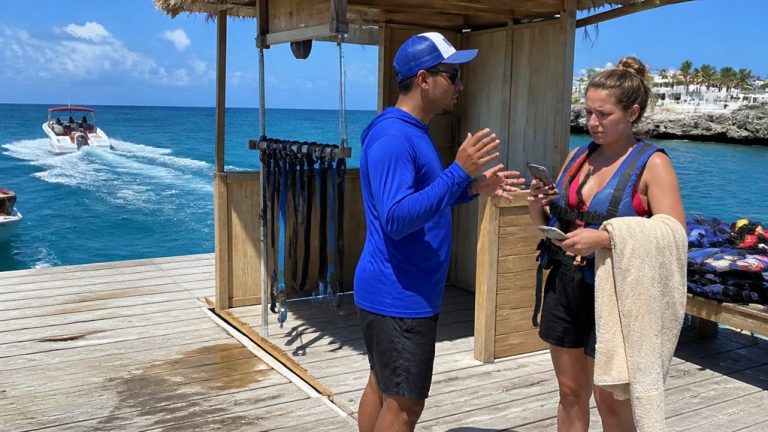
Once the boat settles into position, you’ll step onto the back deck, slip into your harness, and get clipped in while the parachute fills behind you. Then the crew eases you up, and within about a minute you’re airborne over Waikiki as shoreline towers shrink and surf lines sharpen.
- You may feel a light splash during takeoff or landing, even on a “dry” flight.
- Landings are gentle, with the crew guiding you back to the back deck instead of the water.
- During the boat ride, you’ll notice this whole sequence twice, because your flight lasts 8 to 15 minutes aloft.
If you add a dip, it usually happens near the end, just a quick one to two second skim before they reel you up. If you’re deciding between activities, Parasailing vs Snorkeling often comes down to whether you want aerial views and a quick thrill or more time in the water.
When Should You Skip the Dip?
You should skip the dip when Waikiki turns choppy or windy, because rough water can throw more spray your way during takeoff and landing and make the skim less controlled. If you get motion sick easily or you simply want to stay dry, remember that the dip is usually a quick 1 to 2 second splash that can soak your legs right before the crew reels you back up. Ask the crew before you pay and again at the safety briefing, because on some days it’s the captain’s call and your best move is a clean, dry flight. Following a parasailing safety checklist can also help you ask the right questions about weather, water conditions, and how the crew handles dips before you head out.
Rough Water Conditions
In choppy water, skip the dip. Rougher seas turn a quick skim into a wetter surprise, and spray already shows up most during takeoff and landing. If you want to keep dry, don’t add one more variable when the surface looks restless.
- Ask at booking if dips depend on choppy conditions that day.
- Listen for the Captain’s Call at the dock and during the safety briefing.
- Treat a declined dip as useful local wisdom, not bad luck.
Even on a calm run, the dip lasts only a second or two near the end. If the crew says the water is too unsettled, trust that call and enjoy the view instead. In parasailing safety, crew decisions about wind and water conditions should always come before passenger preference. Waikiki still sparkles just fine from above. You’ll hear wind, ropes, and surf, but stay dry.
Motion Sickness Concerns
Another reason to pass on the dip is your stomach. If you’re prone to motion sickness, that skim across the surface can turn a ride into a queasy one. The dip usually lasts only a second or two near the end, but the extra bobbing, spray, and reel-in movement can push nausea over the edge. Parasailing already gives you plenty of motion, from the towline pull to the high, swaying view above Waikiki. If seas are choppy, skip the dip without debate. Rougher conditions often mean more splash and more bounce. Tell the crew your preference before you pay and again at the safety talk, since wind and water conditions help determine the ride. If you need to stay dry, simply choose no dip. If you know you deal with motion sickness concerns, it’s smarter to prevent nausea before the ride than hope you can recover once the bobbing starts.
Stay Dry Preference
If staying dry tops your list, Waikiki parasailing usually cooperates. Most flights keep you high above the blue water, and any offered dip often just skims your legs for a second or two near the end. For a stay dry preference, think ahead.
- Skip the dip when wind picks up or waves slap the hull. Spray sneaks aboard.
- Ask about the operator’s dip policy before you pay, then confirm it during the safety briefing.
- Book an early slot. Calmer seas make Dry rides more likely, and crew can explain the reel-in.
Wear quick-dry clothing so a little ocean mist or an unexpected skim stays comfortable during your Waikiki parasailing ride. That simple plan makes Waikiki parasailing time to go parasailing feel easier. You’ll hear the towline hum, see Diamond Head gleam, and avoid an unwanted splashy surprise while the boat bobs below you.
Is the Waikiki Parasailing Dip Safe?
How safe is that little Waikiki parasailing dip? Usually, it’s very safe when you follow crew instructions and let the captain decide based on wind and chop. A waikiki parasailing dip is often just a one to two second skim across the surface as the crew reels you in. You wear a lifejacket, and operators follow safety regulations. If conditions shift or a tow issue pops up, the system aims for a controlled descent, not a sudden drop. If you’re prone to queasiness, motion sickness tips can help you stay comfortable before and during the ride.
| Sign | Meaning |
|---|---|
| Spray | Normal |
| Skipdip | Safer |
Your legs might get misted, but a full soak won’t happen unless you request it. If you worry about comfort, motion sensitivity, medical limits, or the best time to go parasailing, ask before booking so the crew can stick to their rules.
Is Morning Waikiki Parasailing Better for a Dry Ride?
A morning parasail ride in Waikiki usually gives you the best shot at staying dry. You’ll still feel a little spray during takeoff or landing, but morning parasailing is often calmer, so those wetter moments usually stay brief and smooth.
- Winds usually build later, so early flights feel steadier.
- Your 8 to 15 minutes in the air stay focused on views, not splashes.
- If you add a dip, crews can often run it cleanly and predictably.
That makes your Parasailing Adventure feel easier from start to finish. You also gain a practical bonus. Earlier boats often leave around 8 am, so you have more room if changing winds interrupt later departures. You may hear softer water and see clearer Diamond Head in morning light. This lines up with best season advice for Waikiki parasailing, since calmer conditions often make early departures feel more comfortable.
What Should You Ask Before Booking Waikiki Parasailing?
Before you book, pin down the dip details so there aren’t surprises once the boat leaves Waikiki and the motor starts to hum. Ask the crew before you pay, then ask again at the safety briefing, whether a dip is guaranteed, optional, or off the table if wind or chop picks up. Confirm what dip means on that boat. It might be a quick one or two second skim near the end, with spray on your legs. If you’d rather stay dry, ask if they can honor that and whether takeoff or landing can still splash you. Also check any wetness limits tied to crew choice and conditions. Finally, ask when it happens during your Parasailing Experience in Waikiki, so you can come prepared. Hawaii parasailing operators must follow Coast Guard rules, so weather and on-the-water safety decisions can override dip requests at any time.
What Should You Wear for Waikiki Parasailing?

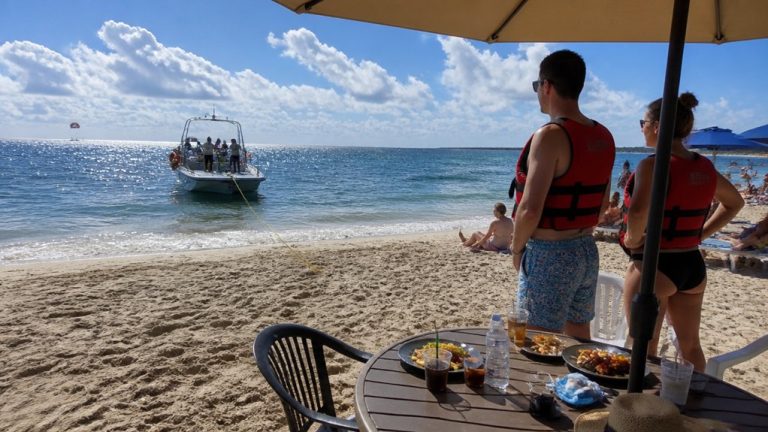
Think light, simple, and quick-dry when you dress for Waikiki parasailing. The best wear for parasailing is swimwear or quick-dry clothing, since you’ll stay mostly dry but may catch spray at launch, landing, or during a brief dip.
- Choose secure sandals or go barefoot on deck. Loose shoes and floppy layers don’t mix well with ocean wind.
- Bring a towel, sunscreen, and a change of clothes if you’re worried about wet legs after choppy splashy water.
- Use a phone dry bag, skip bulky backpacks, and secure every loose item before the harness clicks in.
You’ll notice salt on your skin, sun on your shoulders, and the boat’s back deck humming beneath you. Dress smart, then enjoy the lift. Less stuff helps once the trade winds rise.
How Long Is a Waikiki Parasailing Tour?
How long does a Waikiki parasailing tour really take? Most Parasailing tours run 60 to 90 minutes total, so you should plan for a shared boat outing, not just your flight. You’ll wait while about 8 to 12 riders take turns, then the crew harnesses you on the back deck and sends you up within about a minute. Line choices rarely change the overall timing for you. Actual flight time usually stays in the few-to-teens-of-minutes range.
| Moment | What you feel |
|---|---|
| Check-in to setup | Anticipation builds with salt air and engine hum. |
| Waiting your turn | You watch blue water glitter and your stomach flutter. |
| 8 to 15 minutes in the air | Time stretches, Waikiki shrinks, and you wonder, how long is a waikiki parasailing tour? |
What Does Waikiki Parasailing Cost?
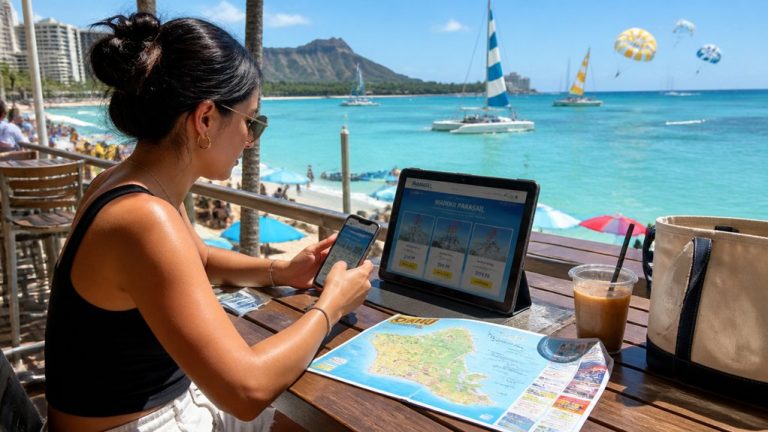
A Waikiki parasailing ride usually costs about $80 to $150 per person, though some listings land closer to $120 to $180 once you compare packages. Around Waikiki Beach, you’ll also spot tiered prices such as $80 for 600 feet, $90 for 800, and $115 for 1000.
- Your total often covers a 60 to 90 minute boat outing, but only 5 to 15 minutes in the air.
- Photo and video add-ons can nudge the bill higher, so check what’s included before you book.
- For Waikiki parasailing, an observer seat may cost about $45, and the dip may be optional, not guaranteed.
Ask crew before paying if water conditions could change that playful splash, because nobody likes surprise rules when the ocean feels full of surprises.
How Much Should You Tip a Waikiki Parasailing Crew?
Wondering what feels right once your feet are back on the boat and the tow line goes quiet? In Waikiki, you’ll usually tip the parasail crew $10 to $20 per person for a safe launch, clear briefing, and smooth landing. Fifteen dollars cash each is a common sweet spot. If you bought photo or video upgrades, tip a little more, since the crew does extra work while you float above the reef and hotels. If someone helps with your harness, nerves, or comfort, lean toward the higher end. Remember, you’re tipping for the whole team, including the captain and mates, not only the pilot. You don’t need prior know-how to get this right. Even if you fly with a parent or guardian, the range works.
Frequently Asked Questions
Can I Parasail in Waikiki if I Get Seasick Easily?
Yes, you can parasail in Waikiki if you get seasick easily: use seasickness tips, and you’ll do better booking a calm morning trip, skipping the dip for motion sensitivity, and choosing safe alternatives like observing.
Are Photos or Gopro Videos Available During Waikiki Parasailing?
Yes, you’ll usually find photo packages and sometimes GoPro footage, though that little extra depends on medial licensing, participant safety rules, and your operator. Check whether it’s included, costs extra, and if personal devices aren’t allowed.
Can Two or Three People Parasail Together in Waikiki?
Yes, you can often parasail together in Waikiki through Group tandem or triple flights, but operators use weight limits and weather to decide. You’ll want booking flexibility, confirm captain’s call rules, and recheck at check-in.
What Happens if Weather Cancels My Waikiki Parasailing Trip?
If weather cancels your Waikiki parasailing trip, you’ll usually rebook or get options under Weather refund policies. Follow Reschedule procedures promptly and choose Safety alternatives if the captain grounds flights for unsafe wind or seas.
Can Friends or Family Ride the Boat Without Parasailing?
Yes, your friends or family can ride the boat as sea kissed spectators and enjoy the water without flying. You’ll still need to check medical requirements, weight limits, and group policies before booking with operators.
Conclusion
Choose the Waikiki dip only if you’re fine with a quick splash and a little spray on your ankles. Most rides stay mostly dry, and the skim usually lasts just a second or two near the reel-in. If you’d rather keep your shorts salt-free, say no dip before you pay and repeat it at the safety talk. Above Diamond Head, the ocean looks like hammered glass, and a tiny splash feels like a punch line.