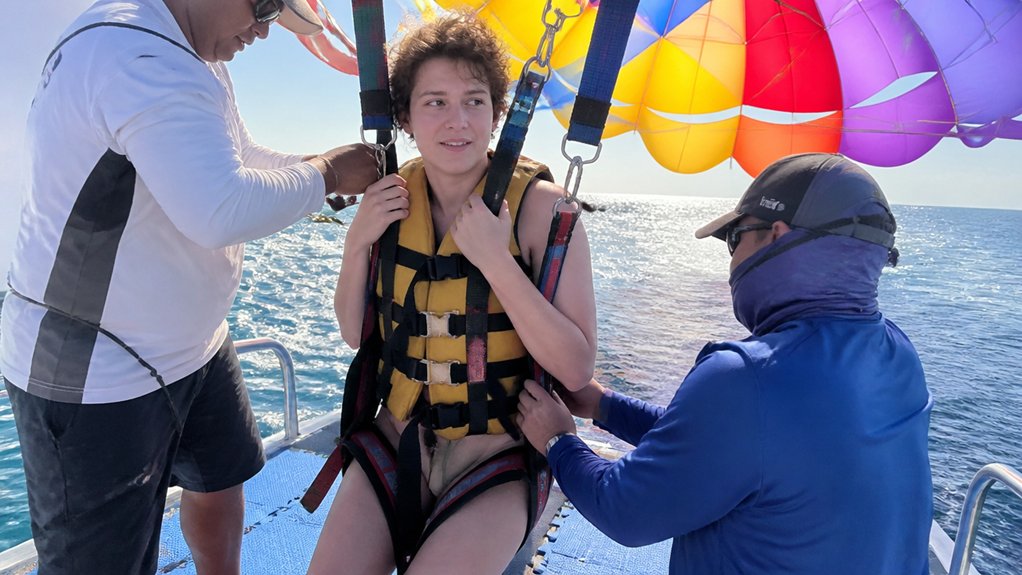
Like Goldilocks testing the porridge, you can’t assume parasailing works just because your weight falls near the posted range. You may be under the limit and still hear the captain pause while the towline hums, the canopy snaps in the wind, and the crew checks whether you’ll lift cleanly off the deck. That small gap between the sign and the sky is where the real rules begin.
Key Takeaways
- Yes, being under a posted parasailing weight limit does not automatically prevent you from flying.
- The captain still checks wind, tow-line tension, harness fit, and launch stability before approving any ride.
- Very light riders may be delayed, paired with someone else, or denied a solo flight in low or gusty winds.
- Some operators set separate minimums for solo, tandem, or triple flights, and these can change with conditions.
- Even within posted limits, final approval depends on safety checks, balance, and the captain’s discretion.
Can You Parasail Under the Weight Limit?
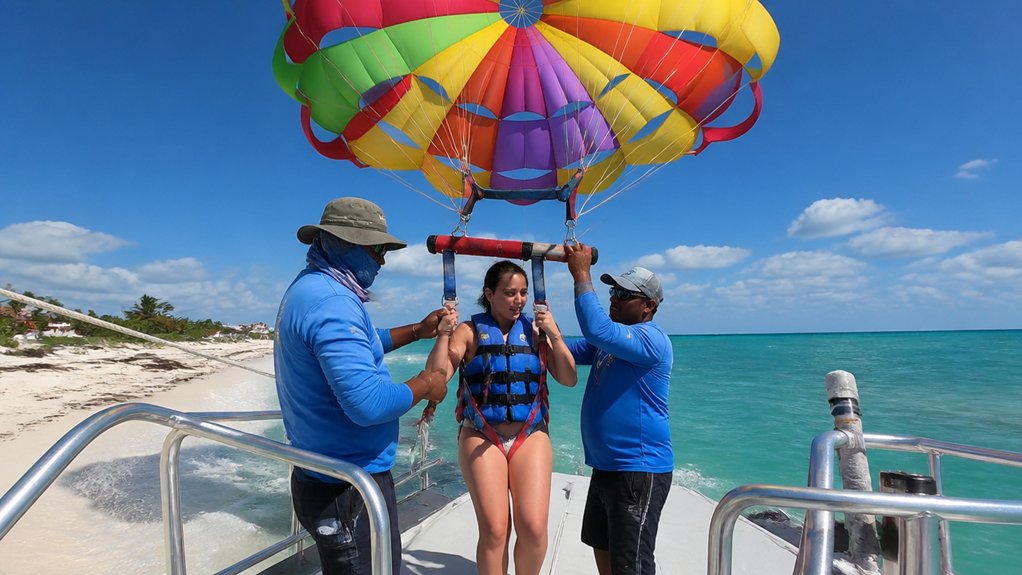
Can you parasail under the weight limit? Often, yes. If you’re lighter than a posted minimum, the crew doesn’t automatically wave you off the boat. They check the wind, look at the gear, and decide how to set up your flight. In Waikiki, operators may use minimum weight limits alongside maximum limits to decide whether you fly solo, tandem, or triple. On some beaches, a solo ride may need around 150 pounds, so you might join a tandem or triple instead. That helps the parasail lift cleanly and keeps the harness sitting right. You’ll hear the engine hum, feel the salt breeze, and watch the captain size up conditions with practiced calm. Before takeoff, the crew may confirm your approximate weight, and sometimes they’ll use a scale. Final approval rests with the captain, but being under the weight limit doesn’t always stop you.
Why Isn’t Being Under the Limit Enough?
You can be under the posted limit and still not be ready to fly, because the chute needs the right pull from the boat and the wind to lift you smoothly off the deck. If you’re very light, a solo ride can feel twitchy or climb too slowly, so the harness, the breeze, and even the captain’s scale check all matter. That’s why the captain may pair you with another rider or call it off, because a sunny sky can still hide tricky air with a mind of its own. In Waikiki, operators use weight restrictions to balance rider safety, equipment performance, and changing ocean wind conditions.
Wind And Lift Balance
Even if your weight sits comfortably below the posted limit, the parasail still needs the right mix of wind, pull, and harness tension to lift cleanly off the back deck. That’s why wind conditions matter as the number on the sign. Too little breeze and you may feel a sluggish rise, with the chute fluttering and the tow line humming before it grabs. Strong gusts can shift the pull fast and change how the canopy loads. In Waikiki, a sudden wind pick up can make crews adjust launches, landings, or ride timing. Operators check the water, sky, and gear before launch. They may pair you with another rider, lower the allowed weight, or pause the trip. The boat and line have to match the day’s push and drag. If the weather turns, your captain may rework the plan for safety.
Solo Flight Stability
The posted weight limit tells only part of the story. You can be under the maximum and still not get the smooth, steady launch you expect. For solo flight stability, the wing needs enough lift to rise cleanly and enough tow-line tension to sit right in the harness. If you’re very light, low winds can make you climb slowly, wobble a bit, or load the canopy unevenly. On breezier days, operators may lower the maximum instead, because conditions change fast over open water. That balance also depends on how your weight is distributed, not just your years of age. Sometimes lighter riders fly tandem so the combined weight feels more planted. For riders concerned about boarding or harness comfort, a Waikiki operator’s accessibility guide can help explain mobility, boarding, and comfort considerations before booking. Think of it like tuning a sail. A pounds can change the song.
Have a question about this guide?
Ask for tour ideas, hotel suggestions, or a simple trip plan that combines both.
Trip Helper
Captain Safety Decisions
Because the sea breeze can shift between the dock and open water, the captain doesn’t just glance at a posted number and wave you aboard. You might be under the limit, yet your group still has to match the harness and wing for that wind. A too-light setup can lift slowly or feel quirky, so the captain may pair you differently. Waikiki operators also rely on a parasailing safety checklist to confirm conditions, gear, and passenger setup before takeoff.
| Situation | What you hear | Why it matters |
|---|---|---|
| Solo at 140 lbs | “Let’s wait or pair you.” | Smooth lift may need more weight. |
| Triple group | “Weights aren’t balanced today.” | Ratios affect wing stability. |
Your liability waiver doesn’t overrule that call. It’s about how the tow feels right then, not a number on a sign. Conditions change fast, and the captain listens before takeoff.
What Other Parasailing Rules Can Stop You?
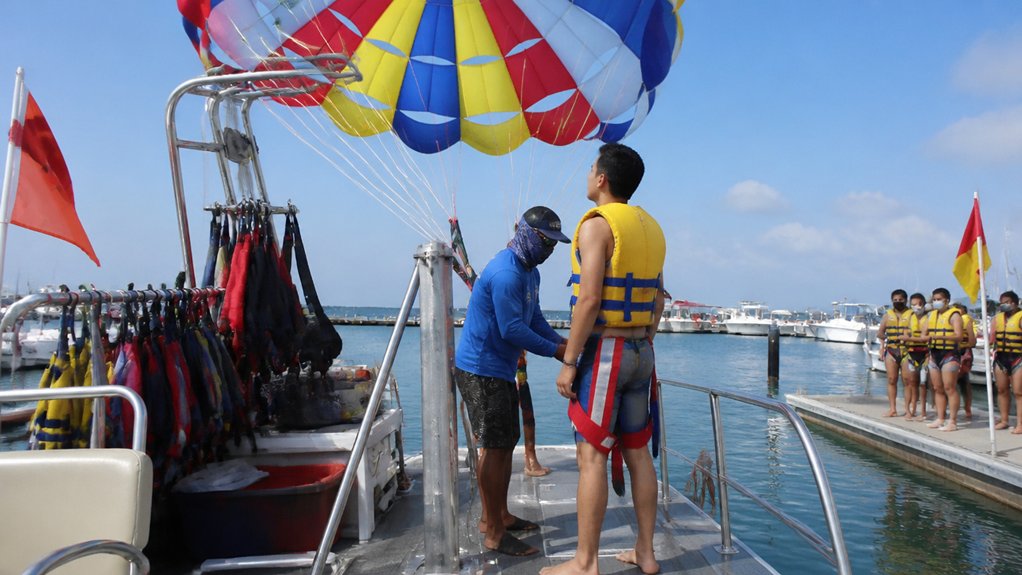
While the scale matters, parasailing crews check a whole list of rules before they clip you in and send you up over the water.
Weight matters, but parasailing crews run through a full safety checklist before anyone leaves the deck.
- You need to be at least 5 years old, and if you’re a minor, a parent or guardian may need to sign and ride too.
- Back, neck, or spinal injuries can ground you, so ask the operator direct parasailing health questions before you book. Heart trouble, epilepsy, blood pressure issues, or surgery in the last six to eight months can, too.
- If you’ve been drinking or using drugs, you’re done for the day. Many operators also say no to pregnancy because insurance rules often stay stubborn.
- Even then, the captain watches wind, chop, and shifting clouds. You may wait or get turned away, and loose cameras, phones, or bags stay behind.
What Is the Solo Parasailing Weight Limit?
Step onto the dock, and you might find that solo parasailing has its own minimum weight, often around 150 pounds in some locations. That number helps the wing rise cleanly above the boat and stay steady in the salt breeze. If you fall under an operator’s solo limit, the crew may move you into another approved weight group for the day. Exact weight restrictions can change with wind speed, wind direction, and the harness setup waiting on deck. In many places, including Waikiki, swimming is not required to parasail because takeoff and landing usually happen from the boat. You might hear the engine idle, feel the vest straps tighten, and step onto a scale before launch. Even if you meet the posted mark, the captain still makes the final call. Your weight affects takeoff, lift, and how smoothly you float skyward that bright morning.
What Is the Tandem Parasailing Weight Limit?
How heavy can two riders be and still rise cleanly above the wake? For tandem parasailing, your Maximum combined weight is often about 450 pounds total, though each operator sets its own limit. The captain checks your approximate weights before you board, then matches the wing and harness for a smooth lift. On gustier days, that cutoff can drop. If you’re too light for a steady launch, you might still fly, but only with a heavier partner. The captain makes the final call. When comparing Waikiki parasailing tours, ask each operator how its tandem weight policy changes with wind, boat setup, and daily conditions. You can hear the engine hum while the chute snaps open high behind the boat.
- Many boats ask your weight early.
- Wind can trim the tandem limit.
- Your weight ratio matters, not just total.
- A balanced pair usually lifts more smoothly.
What Is the Triple Parasailing Weight Limit?
You’ll usually see a triple parasailing cap around 450 pounds total, but that only works if all three of you fit the harnesses well and the setup stays balanced. Before the boat even hums away from the dock, the captain checks the wind and may lower that limit or call off the triple if the wing won’t stay steady. In Waikiki, the actual parasailing air time is often shorter than the full boat trip, so weight and weather checks matter before anyone launches. So even if your group comes in under the posted weight, you still need combined rider approval, because a breezier afternoon can turn a green light into a polite no-go.
Triple Flight Weight Cap
For most triple parasailing rides, the combined weight cap lands around 450 pounds, but that number can shift once the captain feels the wind and watches the boat settle. If your group falls under that combined weight, you still might not get a triple seat. Crews usually check approximate weights before launch. They also need each rider to fit the harness belt correctly. If one person sits above about 250 pounds, proper harness fit matters as much as total weight.
- Triple flights aren’t guaranteed, even when you’re under the posted limit.
- A tandem setup may work better if balance looks off today.
- Solo rides can become the practical backup for uneven totals sometimes.
- Ask early so you can swap plans without dockside surprises later.
Choosing a safe parasailing operator in Waikiki also means asking how the company decides when wind, weight, or balance should change the flight setup.
Wind And Captain Discretion
Even if the sign says a triple ride tops out around 450 pounds, the real decision happens on the water with the captain watching the wind. Your setup depends on wind, lift, and smooth takeoff balance.
| Wind | Captain’s call |
|---|---|
| Steady, clean breeze | Triple might launch |
| Gusty, shifting, or light air | Captain lowers weight or changes setup |
You can hear that judgment in the engine note and see it in the canopy’s pull. Conditions change by the hour. If the breeze turns tricky, the crew may skip triple flights entirely. That isn’t a buzzkill. It’s how they keep the wing balanced and the ride feeling easy instead of squirrelly. Following parasailing safety tips before you book helps you understand why Waikiki operators may adjust weight limits for the day’s conditions. You want calm air, not a drama-filled beach soundtrack.
Combined Rider Approval
While many operators post a triple parasailing limit of about 450 pounds combined, the captain still decides whether your group actually goes up together. If you’re under that cap, don’t assume a yes. Wind strength and direction change the wing’s balance, so your flight plan can shift by the hour. Morning might allow three riders, then stiffer gusts trim the safe total later. And if someone is heavier, harness fit matters as much as pounds per person. In windy Waikiki, tours cancel when conditions make the ride unsafe, even if your combined weight is within the posted limit.
- Posted limits are only starting numbers at check-in today.
- Higher winds can lower the allowable combined load for stability that day early.
- Triple flights aren’t guaranteed, even when your weights look fine to the crew.
- A snug harness beats optimism every time, squeaks and all on deck.
Does Harness Fit Affect Parasailing Approval?
Although the posted weight limit gets most of the attention, harness fit can decide whether you fly at all. You can be under the number and still get turned down if the life vest and harness don’t seat you securely. The captain needs the straps clipped and adjusted correctly at the back of the boat before takeoff.
If you’re heavier, often above about 250 pounds, the crew may confirm the belt fits comfortably without pinching or riding up. An awkward fit isn’t just annoying. It can affect control during takeoff, flight, and landing. That’s why approval depends on safe fit as much as the stated limit. Think of the harness like a seat on a roller coaster. If it doesn’t lock right, the ride waits. Along with the harness, the towline and winch are essential gear the crew relies on to manage a controlled parasailing launch and return.
How Do Crews Check Parasailing Weight?
A secure harness is only part of the story, because crews also check your weight in a few simple steps before you leave the dock. First, you usually give an estimate so the crew can build steady seat pairings and keep the bright canopy flying level. At check-in, they may step you onto a scale, hear the beep, and confirm the total before the boat engines rumble out. That approved range guides your harness fit and overall balance. Nothing here feels casual, even with sea spray. In Waikiki, parasailing FAQ details can help you understand why weight checks support safer, smoother flights.
- You share an approximate weight when you book.
- Staff may confirm combined weight on a scale.
- The mate checks harness fit and balance.
- The captain approves, reassigns, or declines flights.
If you’re unsure, contact us before you arrive.
How Does Weather Affect Parasailing Limits?
Some days, the number on the brochure isn’t the final word, because wind gets a big say in parasailing limits. Breezier air can make operators lower the maximum weight for a smoother launch so the wing stays steady. Before you head out they check wind speed and direction and if the weather shifts fast your flight may pause move later or get canceled with a refund or reschedule. Weather cancellations are common in Waikiki when wind or rain makes conditions unsafe for takeoff, flight, or landing. Very high winds can pop the chute upward too quickly. Low winds can make climbs sluggish or wobbly. That’s why weight groupings change through the day. Morning rides often allow heavier pairings because the air is calmer. By late afternoon conditions get touchier and even when people fly under the limit weather still decides what works.
Why Does the Captain Have Final Approval?
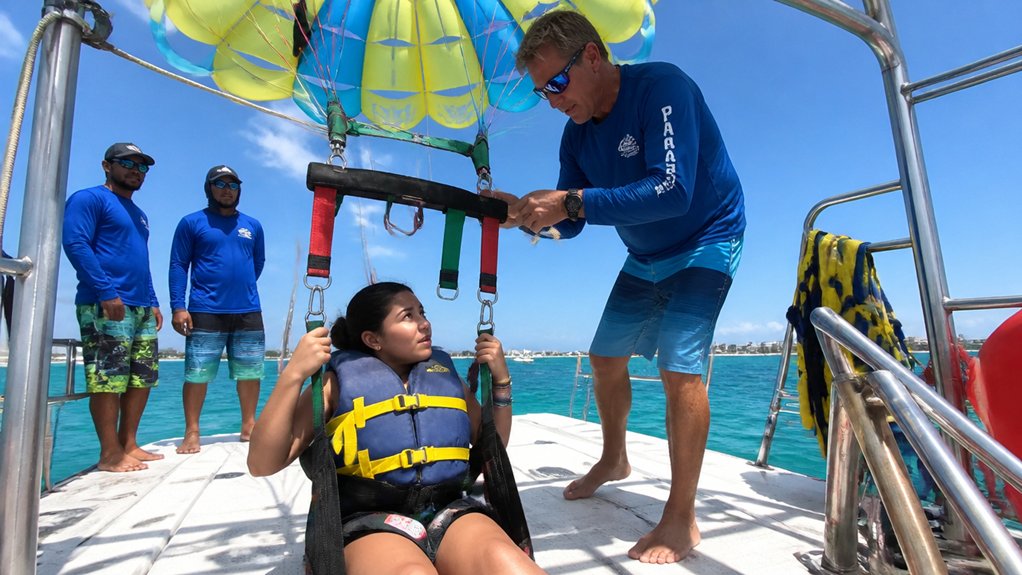
You might be under the posted weight limit and still hear the captain say, “Not yet,” because your flight depends on more than one number. They watch the wind, check your combined rider weight, and decide whether you’ll go solo or with a partner so the chute rises cleanly and the tow line stays steady. If the breeze shifts or the setup doesn’t feel right, they can pause or cancel the launch, and that last call keeps your ride smooth instead of scary. Asking about safety inspections and operating rules before you fly can also help you understand why the captain’s approval matters.
Weather And Weight Checks
Often, the captain gets the final say for a simple reason: wind can change the whole math of a parasail flight. You might be under the posted limit, yet gusts or shifting direction can still alter stability, takeoff timing, climb rate, and even how your harness rides above the water. In the unlikely event conditions turn sharp, weather and weight have to work together. In Hawaii, operators also have to account for Coast Guard rules and local safety expectations before sending anyone up.
- Pretrip weights give operators a starting point.
- A quick scale check may confirm your group total.
- Boat, towline, and canopy must match the pull created.
- If the ratio feels off, your flight can be rescheduled.
That last call isn’t picky. It’s practical. You want a smooth rise, steady line tension, and the soft slap of wake below, not surprise strain.
Real-Time Safety Authority
Because the sea breeze can flip the plan in a minute, the captain gets the final call on who flies. You might meet the posted limit, but the crew still checks wind, gear, harness fit, and balance before launch. In Waikiki, understanding what to expect can make the preflight review feel less scary and more like a normal safety step. A quick scale check can change pairings, flight type, or timing. If you’re a minor, a parent or guardian may hear that approval comes only after this review.
| Check | What captain checks | Action |
|---|---|---|
| Weight | Total load on scale | Pairs riders |
| Wind | Speed and direction | Delays launch |
| Gear | Harness and line fit | Reassigns flight |
| Launch | Wing rises smoothly | Approves takeoff |
That’s why within limits doesn’t promise a seat. Coastal weather changes fast, the chute tugs hard, and the captain can’t negotiate with a gust that day.
What Should You Ask Before Booking Parasailing?
What matters most before you book a parasailing trip? Ask smart questions early, especially if you’re light and would love to fly. Today’s wind can change solo, tandem, and triple limits, so ask for the current numbers, not yesterday’s.
- Ask whether they estimate weight or use a scale before launch.
- Ask how they handle riders under the minimum needed for a smooth wing lift.
- Ask how they pair flyers, and whether you might join a partner for safety.
- Ask the total limit for multi-person flights, often about 450 pounds, and whether the captain can refuse, reschedule, or refund if weather shifts.
Before booking, confirm Waikiki parasailing policies directly with the operator so you know their current weight rules and weather procedures.
You’ll sound prepared, not picky. On the dock, with salt in the air and lines humming, details matter more than brochures ever will.
Frequently Asked Questions
What Should I Wear for Parasailing?
Wear comfortable swimwear or quick-dry clothes, plus lightweight layers for Wind Safety and cool breezes. You’ll use a life vest and harness, skip loose items, and choose water-friendly footwear if the operator allows shoes aboard.
Can I Bring My Phone or Camera Parasailing?
Usually, you can’t, and here’s why: during the Safety Briefing, crews ban phones and cameras because harnessing and flight require your hands free. If you want pictures, you’ll buy digital photos later, so call ahead.
Will I Get Wet During Parasailing?
Usually, you won’t get very wet parasailing; you’ll launch and land from the boat. You might feel a brief splash or dip at the end, so ask during the Safety Briefing what conditions could change.
How Long Does a Parasailing Ride Usually Last?
You’ll usually spend about 1.5 hours total on your parasailing trip, while your actual Adventure Duration in the air lasts 6–8 minutes. You’ll ride the boat for 45–60 minutes, including boarding, takeoff, and landing smoothly.
Can Non-Swimmers Go Parasailing Safely?
Yes, you can parasail safely as a non-swimmer if you follow the crew’s Safety Briefing, wear your life vest, stay seated in the harness, and trust they’ll handle takeoff, landing, and conditions carefully for you.
Conclusion
You can’t judge parasailing by the posted minimum alone. You’ll still need the right wind, steady towline pull, and a harness that fits without pinching. If you’re very light, the crew may pair you, switch the ride, or move your flight to calmer air. That’s just the way the wind blows. Ask clear questions before you book, then listen to the captain, and you’ll head out knowing what to expect above the bright choppy water.

Waikiki and Diamond Head Parasailing Experience
Take flight up to 1,000 feet above Oahu’s famous coastline on a thrilling 1-hour parasailing adventure from Waikiki. Launch from the boat and soar o...

Parasailing on Maunalua Bay- Oahu's off Waikiki Playground
Bring the whole family along for an exhilarating Oahu parasailing adventure from Honolulu! Soar above the waters of...

Maunalua Bay Higher Flyer Parasailing Adventure
Bring the whole family along for an exhilarating Oahu parasailing adventure from Honolulu! Soar above the waters of...

Hawaiian Parasail Since 1977
Experience one of Oahu’s most popular water adventures with a Waikiki parasailing tour. Perfect for thrill-seekers...
Experiences to explore
 Explore experience ↗
Hawaiian Parasail Since 1977
◷ 1 hr
Experience one of Oahu’s most popular water adventures with a Waikiki parasailing tour. Perfect for thrill-seekers and first-timers ali
From $50.00 USD
View dates Explore experience ↗
Hawaiian Parasail Since 1977 from Waikiki Beach
◷ 1 hr
Hawaiian Parasail Inc. has been the original parasailing company in Hawaii for over 48 years since 1977. Parasailing is fun and safe fo
From $50.00 USD
View dates Explore experience ↗
Get Engaged in Hawaii -Surprise Proposal set up & Photography
◷ 1 hr
This photo session takes you to a stunning location and allows you to propose privately. At the photo location, you have marvelous view
From $900.00 USD
View dates