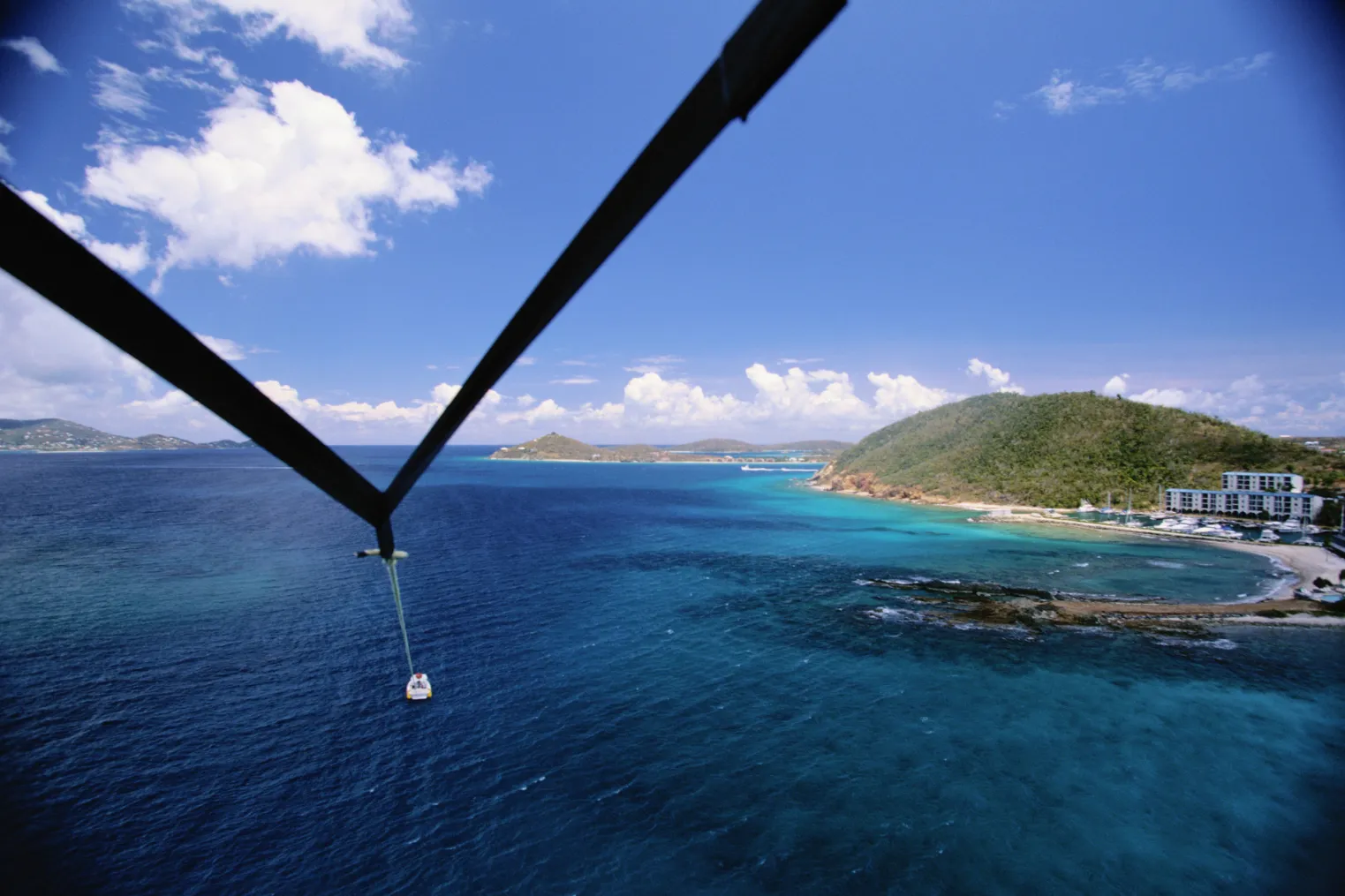
Most first timers don’t realize your best Diamond Head shot depends more on where you sit on the boat than what camera you bring. Grab the Waikīkī facing rail on departure, then ask the crew, nicely, for a Diamond Head pass and one slow turn before they clip you in. Go near golden hour if you can, expect $90 to $150, and bring a tether for your phone or GoPro, not a loose hat. If timing’s tight, a Viator tour with verified reviews, hotel pickup, free cancellation, and reserve now pay later can help, but the real trick happens once you’re up and drifting…
Key Takeaways
- Sit Waikīkī-facing outbound, then switch to shore-facing mid-flight so Diamond Head stays clear without sun glare.
- Arrive 20–30 minutes early and ask for a rail seat; request an idle west then southeast arc for a clean Diamond Head angle.
- Book mid-morning or 45–75 minutes before sunset, and reschedule if haze hides the crater rim on surf cams.
- Lock focus/exposure on Diamond Head (AE/AF lock), shoot bursts at ~1/1000s, and dial −0.7 EV to protect the sky.
- Compose with Diamond Head on the upper third, horizon level, and minimal towline/harness clutter; ask crew to align the harness before lift-off.
Choose the Best Side for Diamond Head
To line up Diamond Head without fighting the sun, pick the side of the parasail boat that faces Waikīkī as you head out, then switch to the side facing back toward shore once you’re in the air. For the clearest crater and skyline, aim for flights during the best time for views so Diamond Head stands out sharply behind your sail.
Sit on the Waikīkī-facing side heading out, then switch mid-flight to face shore for Diamond Head without sun glare.
Boarding early helps, so check in 20 minutes ahead and snag a rail seat before the $90 to $140 ride fills with families.
Your spot also depends on wind direction and passenger weight, since the crew seats heavier pairs to balance the boat and keep the towline clean.
Bring a phone lanyard and polarized clip on, skip loose hats.
Morning light keeps crater crisp and the water turquoise.
If you’re booking last minute, a Viator tour with reviews and cancellation can lock in an easy time slot.
Ask the Captain for a Diamond Head Pass
Keep it simple, this is route negotiation, not a demand. Say you’ll follow safety cues and you’re ready fast with your phone in a dry pouch and sunglasses strapped. Skip bulky hats and loose scarves. For the best angle on the crater and coastline, ask whether the boat can pass the parasailing scenic highlights side of Diamond Head during your flight. If you book via Viator, pick a slot with fewer boats and verified reviews, plus cancellation and reserve now pay later.
Plan for Golden Hour Over Waikiki
Time your flight for golden hour, about 45 to 75 minutes before sunset, and book an early slot since Waikiki’s popular boats fill fast and prices often run $120 to $200. If you want softer light and fewer harsh shadows on the water, aim to go during the best time for golden hour so Diamond Head is evenly lit in your photos. From the beach, plan your launch angle so you’re facing Diamond Head as the light turns honey, and pack a lens cloth and a light windbreaker, but skip bulky bags and anything you can’t clip on. Check wind and haze the morning of, and if you need tight timing, a Viator tour with verified reviews, hotel pickup, free cancellation, and reserve now pay later can keep the logistics from eating your best light.
Golden Hour Timing Tips
Usually, the cleanest Diamond Head shots happen during golden hour, when the sun drops behind you over Waikiki and turns the crater’s ridges warm and sharp instead of flat and hazy. Aim for a ride that lifts you 45 to 75 minutes before sunset so you’re up while colors peak and you can bracket a few exposures. For context, the perfect time to parasail over Waikiki beaches is typically mid-morning or late afternoon, when winds are steadier and visibility is clearer. Check the forecast for thin clouds, not heavy overcast, and keep an eye on the sunrise window too. If you’re flying early, you’ll still get soft shadows and calmer wind. Book midweek to dodge weekend crowds and last minute price spikes; expect $90 to $140. Bring a microfiber cloth, polarized sunglasses, and a wrist strap. Skip big hats and loose scarves. Arrive 20 minutes early for paperwork.
Still comparing Parasailing Photos?
Ask for tour ideas, hotel suggestions, or a simple trip plan that combines both.
Trip Helper
Waikiki Launch Angle Planning
If you want Diamond Head to sit cleanly in frame during golden hour, you’ll need to think like a boat captain, not just a photographer. From Kewalo Basin, ask the skipper to idle west, then arc southeast so Diamond Head sits on your left. That launch angle keeps the towline pointing at the crater. Because Waikiki parasailing launch points can vary along the coast, confirm your exact departure harbor so you can adjust your angle plan before boarding. Stay within your wind window, and request one slow turn before you’re clipped in. Aim for the 5:00 to 6:00 pm run, $120 to $160, and arrive 30 minutes early for Waikiki crowds. Bring a microfiber cloth, hat strap, and skip big backpacks. Wear reef shoes, stash phone in dry bag.
| Move | Frame cue |
|---|---|
| Idle west | Hotels glow |
| Arc southeast | Crater clears |
| Hold steady | Less swing |
| Slow turn | Best pass |
Weather And Visibility Checks
Before you lock in that 5:00 to 6:00 pm slot, check the sky the way the crew does, not the way your weather app “feels.” Pull up the Honolulu marine forecast and the live Waikiki surf cam around 2:00 pm, then again an hour before you head to Kewalo Basin, you’re looking for light trades, low haze, and a clean view line to Diamond Head. To go deeper than a basic phone app, use the NWS Honolulu site’s coastal waters forecasts to see zone-specific winds, seas, and any marine advisories that could affect visibility and ride comfort.
Waikiki’s microclimate patterns shift fast, rain over Manoa can still send a milky veil seaward. For visibility forecasting, scan the horizon on the cam, if you can’t see the crater rim, reschedule. Bring a light windbreaker, polarized sunglasses, and a dry bag for your phone. Skip big hats, they fly. Expect $120 to $170, and tighter boats on weekends.
Secure Your Phone or GoPro First
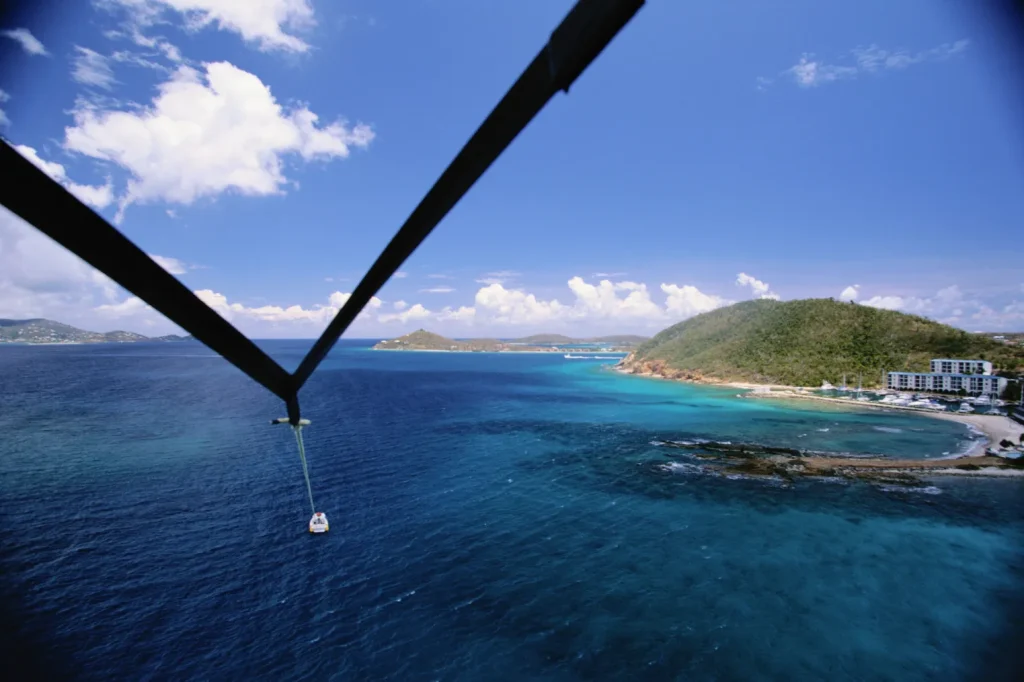
Before you even glance at Diamond Head, secure your phone or GoPro, because a gust over Waikiki can turn a $400 device into reef decor. Clip on a tether and choose a stable mount, skip flimsy selfie sticks, then do a quick strap-and-clip check while you’re still on the dock and the crew can help. If you’re wondering can you bring your phone parasailing, know that you usually can as long as it’s safely secured with a proper case, tether, and mount. If you book a Viator parasailing tour for the timing, look for verified reviews, hotel pickup, free cancellation, and reserve now pay later, then bring one spare clip so you’re not shopping at beach prices.
Use A Tether
Clip in, then relax: a simple tether is the cheapest insurance you’ll buy all day. Before you step onto the boat, spend $10 to $20 on a safety tether and clip it to your wrist or harness loop. You’ll feel the wind tug at your camera, and you won’t panic when the crew shouts “hands up” for takeoff. For even more security, combine a tether with snug parasailing photo safety straps or floaties so your phone or GoPro is both attached and buoyant if it hits the water.
- Use a short coiled lanyard so it won’t whip into your frame.
- Add a bright visual tether, neon cord works, so you can spot it fast if it drops.
- Pack a small carabiner and skip bulky straps that soak up salt spray.
Check knots and clips while you’re still dockside, not when the line goes taut over Waikiki. Mornings are calmer, and you’ll shoot steadier, too.
Mount With Stability
Lock your phone or GoPro down like the wind means it. Use a stabilizing mount that grips the bar, not your wrist, so your hands can frame Diamond Head instead of fighting wobble. Pick one with rubber jaws and a safety screw, and add vibration isolation with a thin foam pad or silicone insert. It cuts the buzz you feel when the canopy tugs. For the cleanest video, match that solid mount with top GoPro settings for parasailing so your footage stays smooth and sharp even when the boat hits chop.
Before takeoff, set your angle on the dock, then do a quick shake test. Do it while crews load, before dockside crowds form. If it shifts, tighten it now, not 400 feet up. Bring a small microfiber cloth for sea spray, and skip bulky cases that block buttons. A $20 clamp beats a ruined shot, and it weighs almost nothing.
Check Straps And Clips
Your mount can feel rock solid on the dock, but a loose strap or tired clip can still send your phone spinning toward the water once the line goes taut. Before you launch, run a quick safety checklist and treat it like harness maintenance, not fussing. For extra peace of mind, pair your mount with waterproof phone cases designed specifically for parasailing in Waikiki so your device is protected even if it does hit the water.
- Tug every strap twice, then tuck loose tails so wind can’t flap them loose.
- Lock every clip, then add a cheap backup tether, about $10 at the marina shop.
- Wipe salt and sand off the mount, then test-record 10 seconds while the crew holds the bar.
Do this while you’re waiting in the 15 minute staging line. Bring a small microfiber cloth, skip dangling charms. You’ll relax, and Diamond Head stays in frame every time.
Tap-Lock Focus on Diamond Head
As you’re rising off Waikiki and the rope tightens, tap Diamond Head on your screen and hold until you see “AE/AF Lock” so the camera stops hunting for focus in the bright haze. Keep it locked for 10 to 20 seconds as the boat swings you into that crater profile. If you want to capture epic Waikiki parasailing moments, time your shots as the boat lines you up with the crater and the skyline in the same frame. If you shoot on a mirrorless body, switch on focus peaking to confirm the ridge line stays crisp. On many cameras, set back button autofocus, grab focus once, then recompose without refocusing when you bounce. Bring a wrist strap and a microfiber cloth, skip swapping lenses midflight. Flights run about $90 to $140, and calmer mornings feel less crowded. A Viator tour can simplify pickup, with verified reviews, free cancellation, and reserve pay later.
Dial Exposure Down to Save the Sky
Once you’ve tap-locked on Diamond Head, nudge your exposure compensation down a notch so the bright Waikiki sky doesn’t wash out.
Do it before the boat turns and the line tightens, since you’ll have only a few breezy seconds over the water, and skip fiddling with extra filters you’ll drop anyway.
If you’re booking a Viator parasailing slot to hit softer light and smaller crowds, pick one with verified reviews, hotel pickup, free cancellation, and reserve now pay later so you can focus on protecting those highlights.
Position yourself to face the coastline as you rise so you can capture soaring above Waikiki with Diamond Head perfectly framed under the wing of your chute.
Reduce Exposure Compensation
If the Pacific looks like a sheet of polished silver behind Diamond Head, dial your exposure compensation down a notch or two before you even lift off. Start at -0.7, check your preview, then adjust while the boat’s idling. From above, lining up Diamond Head with the turquoise patches of Waikiki’s coral reefs gives your shot more depth and a stronger sense of place. Use manual metering on the darker shoreline or the crater’s green slopes, not the glare off the water. To stay nimble in gusty light, set exposure bracketing and let the camera fire a trio while you keep hands steady on the straps.
- Lock your settings before takeoff.
- Shoot in short bursts as you swing.
- Recheck every minute, light changes fast.
Bring a microfiber cloth, salt spray loves lenses. Skip fancy filters. A Viator ride with hotel pickup and free cancellation saves hassle.
Protect Highlights In Sky
Often the sky blows out before you notice it, especially on late-morning flights when the sun turns the clouds into a bright white sheet over Diamond Head. Dial your exposure down a third to a full stop, then watch the histogram and blinkies while the boat circles. If the peaks still clip, lock exposure on the cloud and recompose so you preserve highlights. A graduated filter can help in apps. Slide it from the top to deepen blues without turning Diamond Head muddy. Bring a microfiber cloth, salt spray loves your lens, and skip cheap UV filters that flare. Flights run about $90 to $150, and midday slots fill fastest. A Viator tour can streamline pickup and timing, with verified reviews and free cancellation. When you’re done shooting, you can use smooth parasailing edits on your iPhone to quickly trim and refine your clips so the best moments line up with the most dramatic passes by Diamond Head.
Use 2x–3x Zoom for Clean Framing
Tap your zoom to 2x or 3x the moment the towline steadies, and Diamond Head snaps into a cleaner, more dramatic frame without you needing to lean or crop later. That zoom adds telephoto compression, pulling the crater closer and calming the shoreline. From the front rail of the boat you’ll get the clearest angle on the chute and towline, which makes it easier to line up Diamond Head without other riders or hardware cutting through your frame.
Use this framing workflow:
- Lock 2x as you rise, then nudge to 3x when the boat points at the headland.
- Set the horizon high, and let chute lines skim corners, not the summit.
- Shoot short bursts when the view opens between other chutes, weekends are crowded.
Bring a wrist strap and a microfiber cloth for salt spray. Skip ultra wide, it makes Diamond Head tiny. Rides often run $140 to $180. Go early for softer light, fewer boats.
Keep Shutter Speed Fast to Stop Swing
Set a fast shutter speed first, around 1/1000 or quicker, because the harness swing and ocean breeze can blur Diamond Head in a heartbeat. Then nudge ISO up and open your aperture just enough to keep the skyline crisp without turning the sky into grain, and don’t forget a wrist strap since you’ll be shooting one-handed over the water. For the steadiest shots, pair your camera with perfect GoPro mounts that keep the angle locked on Diamond Head while you’re swinging under the chute. Flip on burst mode as you rise and swing through the best angle, and if you’re booking a Viator parasailing slot to nail calmer morning light, look for verified reviews, hotel pickup, and free cancellation with reserve now pay later.
Prioritize High Shutter Speeds
Crank your shutter speed up fast, because parasailing seats sway like a slow pendulum and Diamond Head won’t wait for your camera to catch up. Aim for 1/1000 or higher, especially when the boat turns and the wind tugs your harness. This is how you beat motion blur and keep that volcanic ridge crisp against the blue. If you know how parasailing actually feels moment‑to‑moment, you’ll be ready to anticipate those calm, weightless beats in the swing when your shots will be the sharpest.
- Half-press, then fire short bursts as you float through the smoothest part of each swing.
- Brace your elbows on the seat straps, and use camera stabilization if you’ve got it.
- Shoot early in the ride, before the line of boats stacks up near Waikiki.
Bring a wrist strap and a dry bag.
Skip lens swaps.
Most rides cost $90 to $160, before you tip.
Balance ISO And Aperture
Dial in your exposure like you’re packing a carry-on, keep what you need, ditch what you don’t, because you can’t let your shutter drop when the harness starts that slow swing. Set shutter first, then raise ISO until the meter settles, especially in low light near sunset. Modern bodies handle ISO 800 to 1600 cleanly, and a little grain beats blur. For extra variety, plan a few parasailing video ideas that show the view spinning from Diamond Head to the boat below as your exposure stays locked in.
Next, choose aperture for depth of field: f/5.6 to f/8 keeps you and Diamond Head sharp, while still letting in enough light. If clouds roll in, open to f/4 and nudge ISO again. Skip tiny apertures like f/16; they force slow shutters and soften detail.
Bring a lens hood, wipe salt spray, and pack a microfiber cloth. Mornings are calmer, rides cost $120.
Use Burst Shooting Mode
When the boat turns and your harness starts that slow pendulum, burst mode becomes your safety net for nailing Diamond Head without the blur. Set a fast shutter, around 1/1000s, then hold the button in short bursts as you pass the skyline. You want burst timing at the swing’s quiet midpoint, where motion slows and the crater looks crisp. Whether you’re shooting yourself or buying the boat’s images, understanding the trade-offs between a photo package and DIY shots helps you decide how much control you want over framing and quality.
- Pre-focus on Diamond Head, then keep your arms relaxed for continuous framing.
- Fire 10 to 15 frames, pause, and check your horizon.
- Bring a fresh card and battery, skip filters, and wipe salt spray between runs.
If your captain offers a paid photo add-on, ask to sync with your bursts, especially on crowded morning trips. A Viator tour with hotel pickup can streamline timing, free cancellation.
Shoot Burst Mode When It Lines Up
Often the perfect moment happens fast, so switch to burst mode and be ready to hold the shutter the instant your parasail line, canopy, and Diamond Head stack neatly in one frame.
Keep your camera placement steady at chest height, lens angled slightly down, and let the horizon glide behind you.
Watch the boat’s turns and the swell, then match your timing rhythm to that gentle pendulum swing: shoot as you crest, pause, then shoot again on the next rise.
If you’re on a midday flight, expect other chutes, so wait for a clean slice of sky.
On a big boat parasailing tour over Waikiki, you’ll usually have more stable lift-offs and longer, smoother flight time, which makes it easier to anticipate those moments when Diamond Head drifts perfectly into your frame.
Bring a dry bag and microfiber cloth, skip lens changes.
Tours run about $90 to $140; Viator options with hotel pickup and free cancellation can simplify timing.
Keep Harness Lines Out of the Frame
Burst mode will catch the perfect lineup, but a couple of stray harness lines can still slice right through Diamond Head and ruin that clean postcard look. Before the boat throttles up, ask the crew for a harness alignment check.
Once you’re airborne, try three moves.
- Tuck elbows and brace the camera on your knees, so side lines sit behind your forearms.
- Turn your hips slightly toward Diamond Head, keeping the tow point centered.
- Zoom a little and frame tighter, which helps line concealment without losing surf and sand.
Skip floppy hats and long lanyards. Bring a thin wrist strap.
Midmorning flights, often $90 to $140, feel calmer and less crowded. Viator tours, verified reviews, add pickup and free cancellation easy.
Cut Glare With Angle, Hand Shade, or Filter
Because the noon sun turns the ocean into a sheet of chrome, glare can wash out Diamond Head and leave your water a flat white smear. Start with angle adjustment: tilt your phone or camera down and to the side until hotspots fade, then tap to lock. If you forgot a hood, use your free hand as a small awning, keeping fingers clear. A polarized filter helps most, costs $20 to $60, and clip-ons run $10. Rotate it and watch haze drop. Midmorning rides look cleaner and crowds are lighter. If you book via Viator, choose verified reviews, hotel pickup, free cancellation, and reserve, pay later.
| Fix | When to use |
|---|---|
| Angle shift | Quick, no gear |
| Hand shade | Windy, bright |
| Polarized filter | Best color control |
Compose Diamond Head With Ocean Foreground
Now that you’ve tamed the glare, set up your frame so Diamond Head sits cleanly above a band of ocean that actually looks like water, not empty space. Tilt down just enough to catch texture: ripples, a faint wake, maybe a sunlit turquoise patch. You want an ocean foreground, but keep it slim so the crater stays dominant and your foreground balance feels intentional.
Frame Diamond Head above a slim band of textured ocean, ripples, wake, turquoise, so it reads as water, not empty space.
- Place Diamond Head on the upper third, then leave one third for sea.
- Watch the horizon, level it before you tap the shutter.
- Wait for a clean moment between towline swings, and shoot when boats aren’t cutting through.
Bring a microfiber cloth, skip zooming, and plan for breezier, less crowded 8 to 10 a.m. flights, about $90 to $160 each.
Shoot One Wide Skyline, Then a Hero Close-Up
Often, the shot you’ll keep is a simple two-step: grab one wide frame that shows Waikiki’s full sweep with Diamond Head anchoring the skyline, then tighten in for a hero close-up that makes the crater feel close enough to touch.
Start wide as the boat steadies, usually in the first five minutes aloft, before the line swings you off angle. Use a wide composition, keep the horizon level, and leave the hotels small.
Then switch to 2x and wait for a calm beat to frame just you, the ropes, and the rim for an intimate portrait. Wear a solid top, skip loose hats, and clip your phone to a float strap.
Morning rides run $90 to $140 and feel less packed on most days.
Record 4K Video, Then Pull a Still and Edit
Hit record in 4K as soon as you lift off, then grab your favorite frame later and treat it like a photo. Video buys you chances when the boat turns and Diamond Head pops through haze. Keep clips short, 20 to 30 seconds, so your battery lasts and your card doesn’t choke.
Shoot 4K video on liftoff; later pull the perfect frame. Keep clips to 20–30 seconds to save battery and storage.
- Lock exposure and focus before takeoff, then keep the horizon level with two hands.
- In editing, use frame extraction, choose the sharpest moment, and crop for the crater plus a strip of Waikiki.
- Finish with color grading: warm the highlights, tame water, and lift shadows on your face.
Bring a microfiber cloth and a float strap. Skip zooming, it amplifies shake. Expect $90 to $150 rides, mornings are calmer.
Frequently Asked Questions
What Should I Wear for Parasailing Photos in Windy, Salty Conditions?
Wear quick-dry light layers that won’t flap, and choose grip footwear for wet decks. You’ll want snug straps, minimal accessories, and polarized sunglasses on a retainer. Bring a windbreaker, and skip loose hats entirely today.
Can I Bring a Drone to Photograph Diamond Head While Parasailing?
Breezy, bold, but probably not, you’ll face strict, state-specific drone regulations, and most parasailing companies won’t allow it. You’d risk tangles, drops, and distractions. Follow safety protocols, check FAA rules, and shoot from shore instead safely.
How Do I Protect My Camera From Saltwater Spray During the Flight?
Use a waterproof housing or sealed dry bag, and keep your camera clipped to your harness. Wipe spray fast with a lens cloth, avoid changing lenses, and rinse gear with fresh water afterward when ashore.
What Happens if Weather Cancels My Parasailing Trip, Are Refunds or Rebooks Available?
If skies turn moody and winds get spirited, you won’t fly; the operator cancels for safety. You’ll follow their refund policy: you can usually get a full refund or choose reschedule options for another day.
Are There Restrictions on Photographing Other Boats or People From the Air?
You can usually photograph boats from the air, but you must respect privacy concerns and avoid zooming in on people. You’ll follow safety regulations: keep hands inside, don’t drop gear, and obey crew instructions always.
Conclusion
You’ll nail Diamond Head when you treat the flight like a quick photo mission. Book a 5 p.m. slot, $120 to $170, and arrive early since the dock line moves slow. Clip your phone to a float strap, lock focus on the crater, then fire short bursts as the boat swings you left. On one Viator ride with verified reviews and free cancellation, hotel pickup saved 30 minutes. Skip loose hats and pack polarized sunglasses.