
You might think a canceled Waikiki parasailing tour just means bad luck, but is that really the whole story? Around 7:00 or 8:00 a.m., your captain checks Kewalo Basin for whitecaps, rain squalls, and wind that can snap a calm plan sideways fast. If the boat stays put, you’ll usually get a refund, credit, or a new slot, and the fine print matters more than your beach mood.
Key Takeaways
- Most cancellations are announced around 7:00 to 8:00 a.m., sometimes right at the dock before the boat launches.
- Captains cancel when Kewalo Basin winds, gusts, seas, rain squalls, or visibility make launches or retrievals unsafe.
- After a weather cancellation, you are usually offered a rebooking, account credit, or a refund, depending on availability and booking terms.
- Card refunds often take three to seven days to appear, while some travel-platform reservations may follow separate cancellation rules.
- If you cancel yourself, doing so at least 48 hours before departure usually gives the best chance of a full refund.
What Happens If Your Tour Is Canceled?
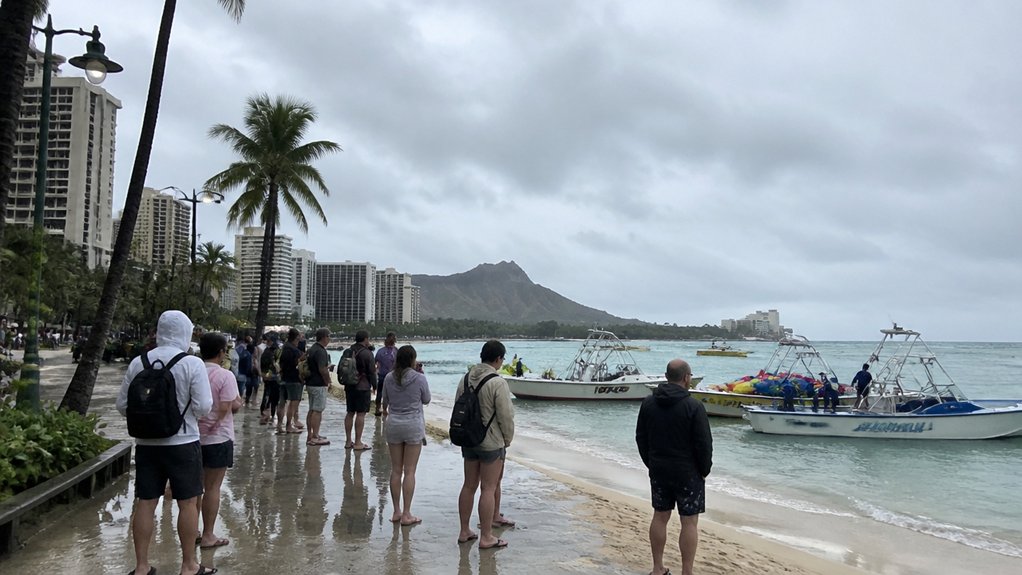
If the wind starts flexing over Waikiki, you’ll usually know early. You’ll often get a call or text around 7:00 to 8:00 a.m., and the boat simply won’t launch. For Waikiki Parasailing in Hawaii, that means your day shifts fast. Staff usually rebook you using the latest Kewalo Basin update and slot you into the next opening, though your original parking time may vanish with it. If you paid by card, a refund reversal often takes three to seven days. Some bookings can switch to credit or a new date instead. If you used a travel platform, check whether a free-cancellation window still applies. Wind and rain are the main reasons parasailing tours in Waikiki get delayed, canceled, or rescheduled. Once conditions change, pivot gracefully. Grab breakfast, find shade, and treat the morning like a breezy plot twist sometimes by noon.
When Do Captains Make the Call?
Before you even head out, you can bet the captain has checked Kewalo Basin and the next two hours of forecast, usually around 7:00 to 8:00 a.m. Once you’re on the water, you might see whitecaps pop up and hear the wind slap the surface, and that’s when rising gusts can turn a green light into a quick no-go. Even at the dock, you can get a last-minute call-off if rain squalls roll in, seas build, or the gear starts acting fussy. In windy Waikiki, tours cancel when conditions make the ride less safe or less comfortable than the captain wants for guests.
Morning Weather Check
Around 7:00 to 8:00 a.m., Waikiki parasailing captains usually make the go or no-go call after checking real-time wind and marine conditions. That morning weather check matters because Waikiki’s weather conditions can shift fast between the hotels and open water.
Before you head to the dock, your captain compares steady wind with gusts, not just the average number. If gusts jump well above the baseline, sometimes by about eight knots, safety margins shrink quickly. Crews also watch for sustained winds near 20 to 25 mph and seas around eight feet. Those numbers often push a trip toward cancellation. Local quirks matter too. High-rises can scramble airflow, and late-morning thermal gusts can build earlier than you’d expect. Understanding how wind affects your ride helps explain why a calm-looking morning on shore may still lead to a dockside delay or cancellation. So yes, the ocean gets the final say.
On-The-Water Triggers
Once the boat clears the harbor, captains keep reading the ocean in real time, and they won’t hesitate to pull the plug when the signs stack up. You’ll feel it when whitecaps appear, the parasail boat pounds over chop, and conditions turn twitchy. If sustained winds push near twenty to twenty-five mph, or gusts jump about eight knots over average, the towline and canopy take extra strain.
| Trigger | What you notice | Why it matters |
|---|---|---|
| Whitecaps and chop | Slapping water, bouncing deck | Launches get harder fast |
| Swell, mist, gear flags | Hazy horizon, rough seas, odd checks | Control drops, safety wins |
You may also see launch pauses when visibility fades or winch checks don’t look clean. Captains act early because the ocean can change in minutes. A solid parasailing safety checklist also reminds guests to trust crew decisions, wear required gear, and avoid pushing to fly in marginal conditions.
Still comparing Waikiki Parasailing?
Ask for tour ideas, hotel suggestions, or a simple trip plan that combines both.
Trip Helper
Last-Minute Dock Decisions
Most cancellation calls happen right at the dock, after the captain checks Kewalo Basin and looks at what the next couple of hours should bring.
You’ll see the call around the 7:00 to 8:00 a.m. update window. If winds jump fast, or gusts run eight knots above average, your Parasailing Tours crew won’t gamble. Once steady winds push near 20 to 25 mph, whitecaps and slapping swell can punish towlines, winches, and canopy seams. Rain squalls or a hazy horizon can end things quickly, because the crew needs sightlines to route safely and track boats and lines. The local NWS Forecast Office in Honolulu also posts watches, warnings, and advisories when active, giving crews another official source to weigh before launch. Even then, gear checks, deck dynamics, or staffing for fast recovery can stop launch. In Hawaii Travel, that’s caution doing its job, not bad luck for you.
Will You Get a Refund or Credit?

If the captain calls it for gusty wind or rough seas, you’ll usually get a refund or a credit after the boat turns back to the dock. That often means a full refund when the crew makes the safety call, though some companies may steer you toward a pay later rebooking or the next open slot, especially on early mornings when the ocean can change fast. Hawaii operators also have to account for Coast Guard rules and local parasailing safety expectations when deciding whether a trip should continue.
If you booked through a platform, don’t panic when your card doesn’t update before lunch. Reversals often take 3 to 7 days to appear. If you choose credit instead, ask about the expiration date and whether you can transfer it. Those details matter once the harbor noise fades and your salty hair starts drying in the trade wind again.
When Can You Cancel for a Refund?
For the smoothest refund, cancel at least 48 hours before your Waikiki parasailing tour. That window usually gives you a full refund, which is the cleanest option when plans shift.
Cancel 48 hours before your Waikiki parasailing tour for the best shot at a simple, full refund.
- Check your confirmation for the exact 48-hour cutoff.
- Cancel earlier if you’re rethinking parasailing in Waikiki.
- Know that inside 48 hours, refund rules often change.
- Don’t wait until departure day and hope for flexibility.
- If seas make you uneasy, take preventative medication before you go.
Before booking, review the operator’s cancellation policy so you know how refunds, weather delays, and rescheduling are handled.
Operators often watch Kewalo Basin and the next two hours closely, especially around the 7 to 9 a.m. update window. So if you’re unsure, act early. The closer you get to launch, the less room you usually have for a straightforward refund. A quick check now can save hassle.
Why Does Waikiki Parasailing Get Canceled?
Weather usually calls the shots in Waikiki parasailing, and that call can change fast. You might wake up to blue skies, then see whitecaps snap across the harbor channel by launch time. That’s a classic sign of Small Craft Advisory type weather, and captains won’t force a flight when the towline, canopy, or boat starts working harder than it should.
Seas matter too. When swell and chop build, the deck feels jumpier, launches get trickier, and towlines can yank in ways nobody enjoys. In Waikiki, late morning gusts can also sneak in around the high rises, so crews recheck forecasts and readings early. Planning around the best season can lower your odds of a weather-related cancellation, but conditions still decide the day. Add rain haze or a gear issue, and your trip can pause fast. That’s the Need to Know part for you.
What Wind Speeds Usually Stop Flights?
In Waikiki, you can usually expect parasailing flights to stop once sustained winds climb past about 20 to 25 mph, especially when the water starts flashing whitecaps. You should also watch the gusts, because crews may cancel fast when they jump to roughly 8 knots above the average or push near 30. When the boat starts slapping over rougher water and the towline gets harder to manage, you’ll see why pilots don’t mess around with those numbers. Wind is not the only safety factor, since operators also check weight limits before deciding whether a flight can go ahead.
Sustained Wind Thresholds
When the breeze settles into the 20 to 25 mph range, most Waikiki parasail crews don’t try to tough it out. That’s the line where Oahu parasailing often pauses, because steady pull builds on lines, winches, and the canopy.
- You’ll usually hear the call early, often before you check in.
- Crews read wind conditions, not wishful thinking.
- Whitecaps and spray can hint that the water’s getting bossy.
- Morning forecasts near that range often mean a stand down.
- A canceled slot can save you from a choppy, noisy ride.
These decisions are part of parasailing safety practices that help Waikiki visitors avoid unsafe wind and water conditions.
It may feel abrupt, but you’re watching a safety system work. On the dock, caution looks calm, efficient, and less cinematic than your photos planned. Better sneakers than airborne regret, even if patience tests you today.
Gust Shutdown Triggers
Steady wind sets the baseline, but gusts often make the final call in Waikiki. You might see a captain green-light moderate breeze, then cancel when gust shutdown triggers kick in. Operators often stop flights when sustained wind reaches 20 to 25 mph, but a sharper spike matters too. If gusts jump about 8 knots above the average, that sudden punch can force a no-go call. Many cancellations happen near 30 mph gusts because the towline, winch, and canopy take extra strain, and boat control gets twitchy. You can often spot the warning signs yourself. Whitecaps pop up. Wind slaps the water harder. Choosing among parasailing height options like 600 ft, 800 ft, or 1,000 ft may affect the ride experience, but weather and captain safety calls still decide whether flights launch at all. Once those cues match the instruments, crews shift from pushing on to emergency procedures and shutdown before launch to keep everyone safely aboard.
Why Do Gust Spikes End Launches Fast?
Why can a parasailing launch stop almost as soon as it starts? On a Hawaiian Parasail trip, a quick gust can turn your Parasailing Experience in Waikiki from green light to hold before the canopy rises.
- Captains watch peak gusts, not just steady wind on the helm screen, so one sharp spike can trigger a stop.
- If gusts jump about 8 knots above average, the towline and chute can load up fast.
- That extra pull can strain winches, canopy seams, and deck timing before you even leave smoothly.
- Operators do not push through when safety margins shrink. They shut down while the boat still feels manageable.
- Near 20 to 25 mph sustained winds with gusts around 30, starts can end in seconds for everyone.
Knowing that crews cancel for changing wind conditions can help first-time riders feel less anxious about parasailing safety in Waikiki.
How Do Swell and Whitecaps Raise Risk?
You can feel the risk rise when a long south swell mixes with chop, because the towline snaps tight and sends hard jolts through the boat during launch or retrieval. You also notice whitecaps and spray turning the deck slick, while gusts and steep sets make every step and handoff feel less steady. That’s when you’ll often see the captain stop trying to power through and call it, because rough seas, noisy gear, and a jumpy platform shrink the safety margin fast. Before heading out, operators may also review coastal waters forecasts for Honolulu zones to understand expected marine conditions.
Towline Shock Loads
When swell starts lifting the boat and whitecaps pepper the water off Waikiki, the towline stops feeling a clean, steady pull and starts getting yanked, slackened, and snapped tight again. That’s why a pretty horizon can still hide hard math.
- Each slap of chop can dump tension, then reload it fast, so forces jump far beyond normal parasailing pull.
- Whitecaps matter because breaking crests and gusty air keep the line twitching instead of humming along smoothly.
- If gusts climb about eight knots over average, crews often pause, because those peaks multiply shock cycles.
- Near 20 to 25 mph winds, captains watch winches, canopy seams, and fittings with extra respect.
- Add rough advisory seas and frothing tops, and you can almost hear the equipment say, not today.
That is why understanding real parasailing risks in Honolulu means looking past sunshine and focusing on wind, swell, and equipment stress.
Deck Slip Hazards
On a calm Waikiki morning, the parasail deck feels like a tidy launch pad, but short, steep swell can turn it into a moving target fast. When conditions off Waikiki Beach worsen, you keep shifting your weight while boarding, clipping in, and handling lines. Whitecaps add spray, and the deck goes from grippy to slick in minutes. Even careful steps feel tricky when seas push toward eight feet and chop starts slapping the hull. Gusts also make towlines tug harder, so gear areas can jolt just as you move past them. That sudden pull can steal your balance before you know it. Asking about safety rules and recent inspections helps you understand why a crew may delay or cancel when the deck becomes unsafe. In rougher Parasailing weather, crews need steadier footing for securement, but the rolling boat and glossy deck demand extra attention from you.
Captain Shutdown Signals
That same slick deck gives the captain a wider set of warning signs to read. You might see a clear sky, but your parasail launch can still stop fast when the ocean starts talking.
- Gusts jump about eight knots above the average.
- Whitecaps and slapping water show rougher airflow.
- Foam and spray cut visibility near the harbor gate.
- Short steep swell yanks the towline and shakes deck handling.
- If the next hour looks the same, the captain shuts it down.
Those clues mean more strain on winches, canopy seams, and the boat itself. At that point, no one tries to power through. You get a cautious call-off instead, which is less dramatic than a soaked scramble. Safety’s quieter, and usually much smarter than luck. Local water safety advice also stresses checking current ocean conditions before heading out, because Hawai‘i waters can change quickly.
Can Rain, Haze, or Gear Stop Trips?
Even if Waikiki looks bright from the beach, a gray rain squall or a strip of sea mist offshore can stop a parasailing trip fast. You might see blue water near shore, yet the captain needs a clear view of other boats, the towline, and the landing zone. A hazy horizon or the next rain band can make retrieval tricky. Crew members inspect the winch, clips, and line before you buckle your life vest. If whitecaps appear or rougher air stresses the tow system, they can shut things down. A part or a jam during deck checks can do the same. For nervous guests, a delay can be frustrating, but a safe call helps protect an easy first flight when conditions improve. You’ll get an update around 7 or 8 a.m. Then you can rebook, take a credit, grab a refund, and keep plans flexible.
What Do Small Craft Advisories Mean at Kewalo?
At Kewalo, a Small Craft Advisory is your clue that the harbor has shifted out of postcard mode and into caution mode. You’re not seeing bad luck. You’re seeing safety margins tighten fast.
- Winds around 20 to 25 mph can make small boats twitchy.
- Gusts near 30 mph matter more than they sound.
- Seas above 8 feet can turn launches bumpy and risky.
- At the Harbor gate, whitecaps and chop warn captains quickly.
- Variable gusts can strain towlines, winches, and the canopy.
If your parasailing trip pauses, operators usually expect the next few hours to stay outside safe limits. That stand-down happens because rougher water and shifting wind can make handling the boat and lifting you feel less like flight and more like wrestling. Even when the day looks calm, larger sets can occasionally arrive above the forecast range and may be spaced a few hours apart.
How Can You Check Conditions Today?
How do you get a real read on whether Waikiki parasailing will fly today? Start with NOAA/Marine advisories early, then check again around 7 to 9 a.m. Watch for Small Craft Advisory conditions, sustained winds near 20 to 25 mph, gusts around 30, and seas above 8 feet.
Next, open a live wind/gust readout instead of trusting one calm number. You want to see whether gusts are jumping. Look toward the channel. If palms are thrashing or whitecaps are scribbling the water near Kewalo Basin, crews may stand down. Expect an operator update around 7:00 to 8:00 a.m. and stay flexible. Re-check during the next 1 to 2 hours before departure for your trip. Blue skies can still hide gusts, swell, towline, or visibility issues. NOAA Tide Predictions note that raw data are preliminary and should be used with appropriate caution.
What Time Slots Cancel the Least?
By breakfast, your safest bet is usually the first parasail boat of the day, often around 8 a.m. You’ll usually dodge the gustier late-morning pattern and get smoother water off Waikiki.
Book the earliest parasail boat, usually around 8 a.m., for calmer water and a better shot at smoother skies.
- Early boats beat thermal wind build
- Hourly departures get riskier later
- Red flags hint harbor stand-downs
- Whitecaps at Kewalo Basin matter
- Rough forecasts can trim later slots first
If NOAA or NWS Honolulu shows 20 to 25 knot winds, gusts near 30, or seas above 8 feet, even dawn can wobble. Still, if you’re choosing between an 8, 9, or 10 a.m. launch, go earliest. The best time of day for parasailing in Waikiki is typically early morning, when winds and water are usually calmer. Think of it like Friday Night Fireworks. Best view comes when you arrive early, and you’ll know what to book next time. The ocean often sounds calmer then.
What Should You Do After a Cancellation?
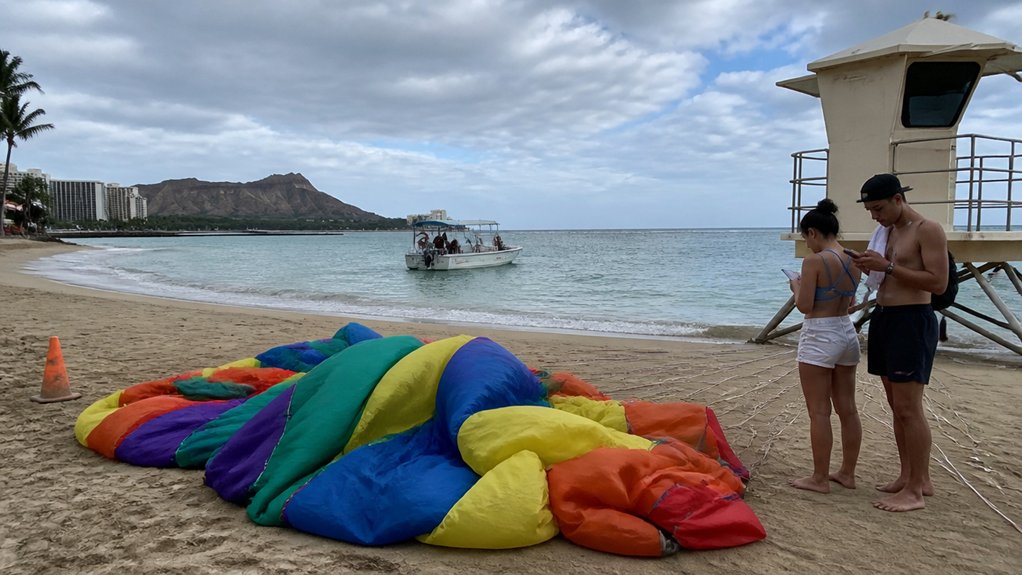
After a Waikiki parasailing cancellation, keep your phone close and expect a text or call around 7:00 to 8:00 a.m. with the captain’s decision.
Ask whether you’ll get a refund, credit, or the next slot, because Kewalo Basin winds and the next few hours of forecast decide everything. If you rebook, check expiration dates and transfer rules, and remember charge reversals often take 3 to 7 days. Then pivot fast. Grab breakfast in shade, head for Diamond Head, or book Oahu: Atlantis Submarine Adventure if the sea looks moody. Bring a light jacket and dry bag, and rethink what you wear for parasailing later. Don’t try to tough out whitecaps. The ocean is prettier when you respect it, even if it ruins your plan.
Frequently Asked Questions
Can Children Reschedule Under the Same Booking After a Cancellation?
Yes, your children can often reschedule under the same booking if you respond quickly and a new slot opens. Child eligibility and reschedule policies still apply, so you’ll need to reconfirm ages, waivers, and availability.
Will Photo or Video Packages Transfer to a New Parasailing Date?
Yes, your photo or video package can transfer if you rebook under the same reservation after a Weather Daytime cancellation and confirm Rescheduling Availability. If you don’t rebook promptly, operators usually won’t move that add-on.
Can Part of My Group Parasail if Others Are Rescheduled?
Yes, storms can scramble your day in a heartbeat: you might parasail while others get rescheduled. With group booking changes and partial participation options, you’ll need to confirm who flies later, because conditions shift fast.
Do Cancellations Affect Transportation, Parking, or Check-In Instructions?
Yes, cancellations can change when you head to Kewalo Harbor, where you park, and how you check in. This impacts timing, so keep plans flexible, watch operator messages, and confirm voucher rules before you rebook.
Can I Use a Cancellation Credit During Peak Holiday Dates?
Yes, you can use peak season credits during holiday dates, but you’ll need to check credit eligibility rules immediately. Rebook fast, because slots fill quickly, expiration dates apply, and some operators restrict transfers or listings.
Conclusion
If your Waikiki parasailing tour gets scratched, don’t panic. You’ll usually hear by 8 a.m., and most refunds land in 3 to 7 days. That quick captain’s call matters. About 80 percent of Hawaii’s rain falls on the windward side, but squalls can still sweep across Kewalo and turn the basin gray, loud, and choppy fast. You can rebook, check the harbor cams, and stay flexible. In Waikiki, blue sky often comes back by lunch.